




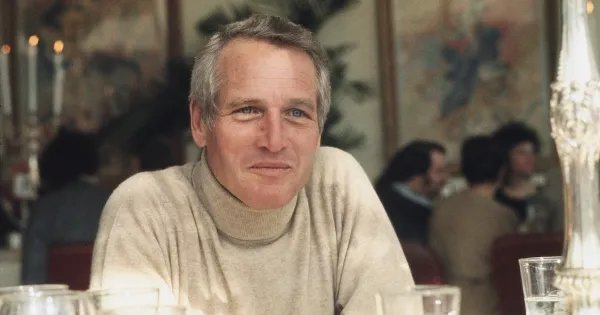

On a bitterly cold December in 1980, Paul Newman is mixing oil, vinegar, and condiments in a bucket at his Connecticut home. It’s his own recipe, but he’s never made it at this scale. After stirring it with an old canoe paddle, he will decant the salad dressing into old wine bottles and hand them out while caroling in his neighborhood.
It’s Westport, so one of the lucky recipients that night is a local caterer with big ambitions. Martha Stewart puts the dressing into a blind taste test with commercial alternatives. It wins hands down. (Of course it does.) Newman and his buddy, the author A.E. Hotchner, both put $40,000 into the launch with a motto that comes straight from Newman’s dry sense of humor: “Shameless exploitation in pursuit of the common good.”
In its first year—to everyone’s surprise—there is a profit of $300,000. Newman gives it all away. His whole being has been exploited for others’ commercial gain for most of his life, and now he has a chance to do something that reverses the selfish, superficial tenets of capitalism.
And Newman’s Own becomes that rarest of brands: built on purpose and functional appeal. It currently ranks second among U.S. brands in the food category of Time’s World’s Best Brands, and has raised over $600 million along the way. And wait until you see what the money does—just do a search for The Hole in the Wall Gang Camp.
But every movie star dies. And every brand eventually gets dusty. Newman has been gone for almost two decades. And while Boomers and Gen X bought his brand because we all knew those dazzling baby blues and wanted a piece of them, a new generation of consumers is growing up less aware of the most handsome man that ever lived.
That’s the problem facing Mark Anthony Edmonson, the brand’s new CMO. The challenge is in good hands. Edmonson is a pro, with experience at Campbell’s and P&G, and he is clear-eyed about running a challenger brand against far bigger budgets. But he will earn his salary and then some.
His first move tells you plenty. Previous taglines such as “100% of profits to charity” led with the giving. The new one—”Great Ingredients. Greater Purpose”—leads with the food and lets giving finish the sentence. Edmonson has realized that worthiness alone does not make your salad taste better or get you back in the aisles five weeks later buying more of it.
Purpose before product
For a decade, marketers lost the strategic plot and overthought their brand’s importance. Purpose was so much cooler than making and selling a good product at a profit.
And the wonky research confirmed that consumers were right there with these addled marketers. Ask anyone whether they want their toothpaste to pay its workers a fair wage or have a point of view on the environment, and every head nods.

