






In a powerful speech before the Minneapolis City Council, a nurse broke down as she shed light on the fear so many in her profession are feeling as U.S. Immigration and Customs Enforcement agents have stormed the city.
“In Minneapolis, I feel like I’m a sitting duck,” the speaker began in a January 15 address. “I don’t feel safe at home. I don’t feel safe at work. Kids aren’t safe at school,” she said through sobs. “I was born in Minneapolis and I am scared out of my mind because I have skin that is not white and that is not fair.”
The speaker went on to contend that ICE’s presence and the aggressive tactics agents have increasingly been using has created a “public health emergency” in the city. She said nurses now fear for their own safety and the safety of their patients of color, many of whom may be too afraid to leave home and seek medical help when they need it, regardless of their immigration status.
“What happens when ICE comes into our hospitals?” she said. “Where is our moral code?”
The speech was delivered a week after Renee Nicole Good, an American citizen and mother of three, was shot and killed by an ICE agent in her own Minneapolis neighborhood. Since Good’s death, ICE’s actions have seemed to grow even more extreme. Just hours after the killing, reports of agents tear-gassing students outside a school began circulating. Following the incident, Minneapolis Public Schools canceled classes for the rest of the week, citing safety concerns.
In another recent incident, ICE agents dragged multiple workers out of a Target store. Videos of the incident have been circulating online, prompting outrage.
But even as workplaces are being disrupted by violent altercations at the hands of immigration enforcement agents and employees are left feeling unsafe at work (or are too afraid to go to work at all), major companies are remaining silent. Fast Company reached out to Target, General Mills, Best Buy, Carhartt, and others to find out their stance on ICE’s presence, yet not a single business responded.
Fear is impacting a number of business sectors, particularly those that employ a large number of undocumented individuals, including restaurants, farming, and construction. On January 19, Minnesota state Senator Aric Putnam was joined by agriculture leaders at a press conference to discuss the growing fears. Putnam said both documented and undocumented people are staying home because they are too terrified to go to work.
“People are genuinely experiencing this anxiety and this fear. This is about fear,” Putnam said. “Real cops don’t wear masks. That’s just the way it works.”
Gary Wertish, president of the Minnesota Farmers Union, warned that deportation fears are bound to impact food deliveries. “We work with restaurants in the Minneapolis area and other parts of the state,” he said. “They’re closing because their workers, even though they’re legal, they’re afraid to go out of their house. They’re afraid to go to work.”
While the economic toll on Minnesota isn’t yet known, when ICE showed up on farms in California, the impact was crushing. A 2025 case study looking at the economic impact of ICE on California’s agricultural industry estimated that it drove a crop loss of anywhere from $3 billion to $7 billion and a 5% to 12% increase in the price of produce.
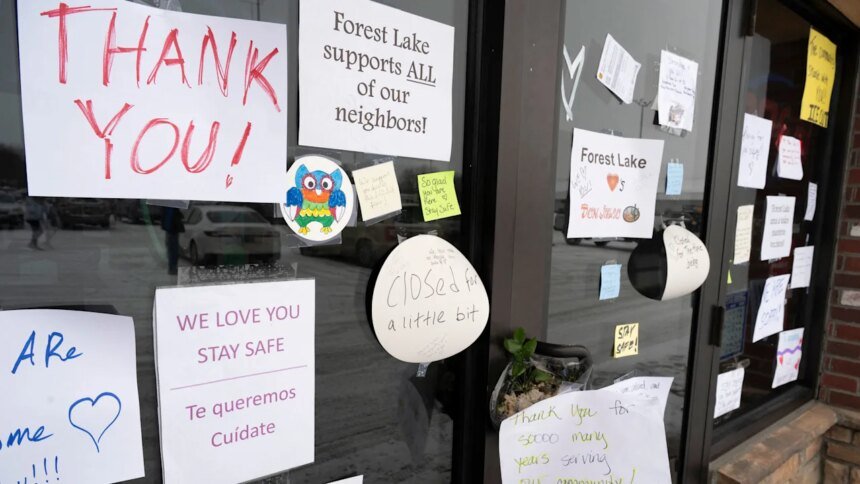
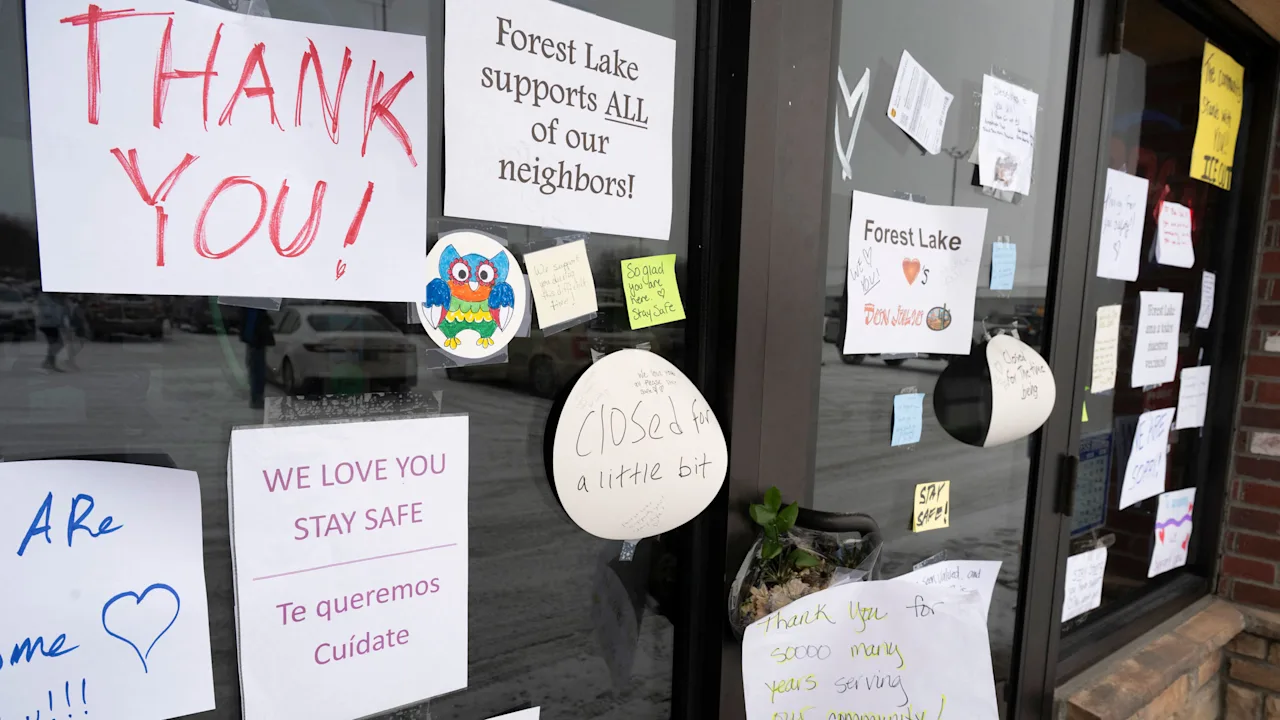
Likewise, according to recent reporting from The Minnesota Star Tribune, roughly 80% of immigrant-owned businesses along main drags in both Minneapolis and St. Paul had closed as of January 13 as employees stayed home in droves. GoFundMe pages are popping up to support employees and their families.
“Right before Christmas, a lot of businesses were telling us sales were down 50%, 70%, or 80%,” Allison Sharkey, president of Lake Street Council, told the outlet. “Now this week? For a lot of business, it’s down to zero.”

