





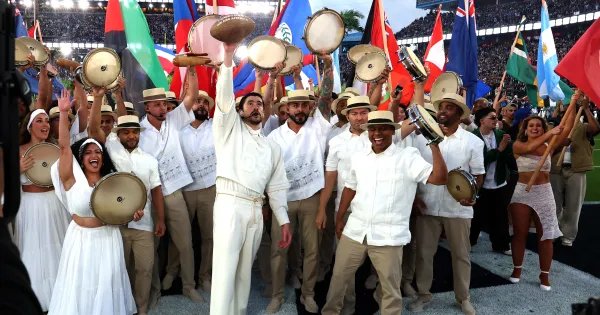

Bad Bunny DID THAT. Se la rifo!
Bad Bunny’s Super Bowl halftime show arrived at a moment when most cultural conversations in the U.S. feel fragmented. Different feeds, different audiences, different realities depending on who you ask.
For 13 minutes in the middle of the Big Game, in front of 140 million viewers, that fragmentation paused. Millions of people, across hundreds of languages and thousands of backgrounds, reacted to the same moment at the same time.
Have a quick look at X, TikTok, Facebook, your WhatsApp group chat, or even a pit stop at the office watercooler, and you’ll find people discussing the symbolism in Benito’s love letter to Puerto Rico, translating lyrics for friends, and sharing what the performance meant to them.
This kind of collective cultural response has become rare. And that’s exactly why it matters.
A Spanish-language global artist headlining the halftime show reflected a cultural read of the moment: authenticity now scales further than neutrality ever could. The result was historic, the most-watched halftime performance ever, drawing record-level global viewership and sparking nonstop online conversation that extended far beyond the broadcast itself.
However, the significance of Bad Bunny’s show goes beyond ratings or headlines. What stood out most was the way communities participated. Viewers felt like they were part of the performance; they interpreted it, explained references, shared emotional reactions, and invited others into the experience.
Latino audiences saw themselves reflected on one of the world’s largest stages, while those outside the culture leaned in with curiosity rather than distance.
What emerged was a rare collective experience. In the hours since Bad Bunny took the stage, people have been connecting through culture, rather than through isolated algorithmic bubbles.
For brands and creative leaders, this Super Bowl moment offers several lessons.
1. Culture creates connections faster than messaging ever will.
Marketers often attempt to manufacture unity through campaigns built around togetherness, but connection rarely starts with slogans. It begins in cultural moments that people already care about. When brands understand where those moments are happening and participate with respect, the connection happens organically.
2. Authenticity expands the audience.
The Apple Music-sponsored performance didn’t attempt to translate itself for mainstream comfort. It operated confidently in its own language, symbolism, and creative identity. That confidence widened its appeal. Audiences outside the culture leaned in to learn, with demand for Spanish lessons soaring 35% on Duolingo. Elsewhere, those inside the culture felt recognized.

