





This post was created in partnership with Tatari
There’s a first time for everything—and for marketers, there may be no bigger “first” than the first time debuting an ad during the Big Game.
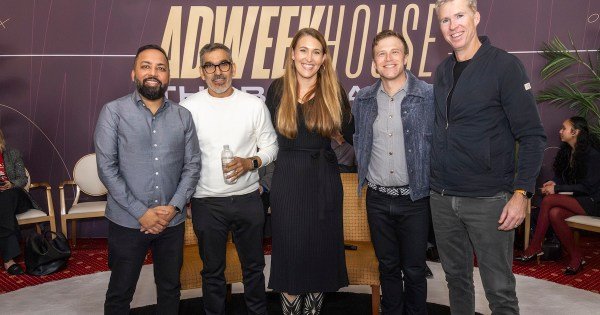
At an ADWEEK House: The Big Game panel co-hosted by Tatari, four brand leaders discussed why 2026 was the right time to bring their companies to the biggest sporting event of the year and the strategies behind making sure their debuts were successful.
An intentional ‘why now?’
Amit Sharan, SVP of marketing at Tatari, a convergent TV ad platform, moderated the session. He guided the panelists—Tatari clients making their Big Game debut—to share an inside look at the decision‑making and strategies behind their campaigns.
Marcelo Kertész, CMO of Manscaped, a men’s grooming company, kicked off the discussion, sharing that the choice to air in 2026 followed the organic growth of the business. When Manscaped was founded in 2016, it sold one hair trimmer directly to consumers—a lot has changed since then.
“Today, we sell at Walmart, Target, CVS, Best Buy, Harrods in the U.K. We have a lot of different products for all over your body,” Kertész said. “So, that made the perfect time for us to come to that stage because we have a very specific message that we want to say in a simple and loud way.”
Will Flaherty, SVP of growth at Ro, a telehealth company, noted a similar intentional decision. Ro started by helping patients get prescriptions remotely, and has since expanded to include services like fertility and weight management, becoming a major player s in GLP-1 therapies.
That success helped Ro realize it had the opportunity to build a big, broad consumer brand.
“Over time, we’ve been thinking about how we can use broader brand-building tools,” Flaherty said. “It’s really the culmination of a very long process of us being thoughtful about how we’ve scaled the brand.”
Measuring the power—and relevance—of TV
Sharan noted that “TV rarely operates in isolation.” He said that Tatari has clients that see massive halo effects from TV, which impact other channels like search, social, and retail traffic.
That dynamic played out clearly for Megan Smith, director of strategy at Tecovas, a Western footwear, apparel, and accessories company, who cited a “bold experiment” in which she and her team briefly turned off TV spend to test the channel’s true strength.
“Within four weeks of us turning off TV, we saw double-digit declines year-over-year in our traffic. Not just in ecommerce, but in retail—same store foot traffic that we track, as well,” she shared. “We also kept everything pretty stable across the rest of our mix, so we were able to identify that TV was very much a key driver in this.”

