






A year ago at the Munich Security Conference, Vice President JD Vance accused Europe of using “ugly, Soviet-era words like misinformation and disinformation” to justify restricting dissent, and warned that its speech rules posed a greater threat to democracy than Russia or China.
Now the Trump administration is acting on that belief.
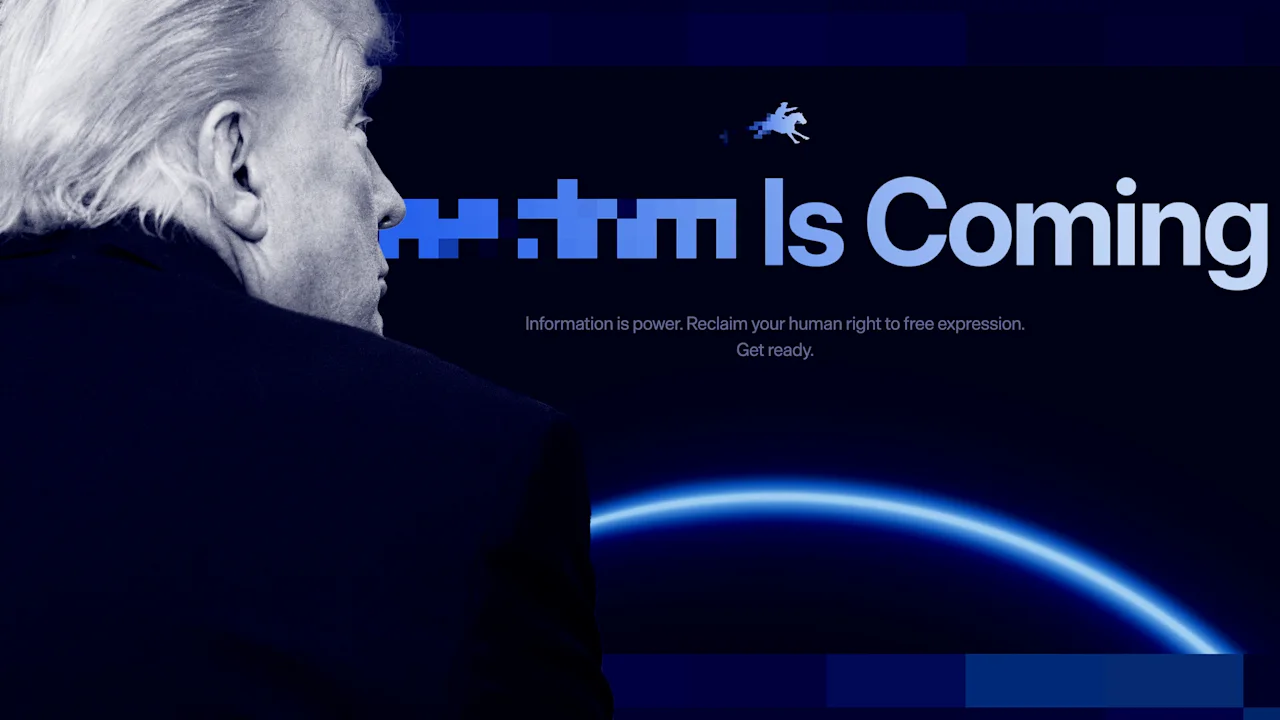
Earlier this month, as Secretary of State Marco Rubio addressed this year’s conference (in a far more conciliatory tone), the U.S. government launched Freedom.gov.
For now it’s just a landing page, but it is reportedly planned as a way for Europeans to duck content bans, including restrictions on hate speech and terrorist propaganda. Officials have discussed incorporating a built-in virtual private network (VPN) function that would make users’ internet traffic appear to originate in the U.S., effectively routing around European content restrictions. The project is overseen by Sarah Rogers, under secretary for public diplomacy; Edward Coristine, a former member of Elon Musk’s Department of Government Efficiency (DOGE), is reportedly working on the site’s design.
The backdrop is escalating tension over tech regulation. European and U.K. authorities have tightened enforcement on social media platforms, recently opening investigations into X and its AI chatbot Grok over alleged rule-breaking and harassment. These moves have angered Trump administration officials, who see them as attempts to criminalize American companies and suppress speech.
“Proponents might argue that it is merely the modern-day version of Radio Free Europe, which broadcast unfiltered news across the Iron Curtain,” says Anupam Chander, an expert on global tech regulation at Georgetown Law. That’s likely how the Trump administration sees it: Officials have framed Freedom.gov as a champion of “digital freedom” and emphasized the State Department’s long-standing support for “the proliferation of privacy and censorship-circumvention technologies like VPNs.”
But others see it as interference. “Democratic countries are likely to see the American portal as improper interference with domestic laws,” says Chander, who believes “countries might respond to the American ‘freedom’ portal by ordering their internet providers to block it.”
Paul Bernal, a professor of information technology law at the University of East Anglia in Norwich, England, expects the EU would simply block the site. Under laws like the Digital Services Act, Europe can bar platforms that attempt to evade its rules.
“I can’t see how the Americans are going to stop them effectively blocking access,” he says. “Web-blocking capabilities exist. We do it for child sex abuse material. We do it for copyright.” The result could become “a kind of cat-and-mouse thing where the U.S. puts something up the EU blocks, then the U.S. puts it up somewhere else, and so on.”
Bernal also rejects the administration’s framing. “There is no question to anyone who knows about free speech that Donald Trump’s regime are very much anti-free speech,” he says. “They’re closing down their enemies wherever they can, they’re taking over platforms like TikTok and TV stations like CBS in order to ensure they toe the line over political things.”
In his view, the dispute is “fundamentally about geopolitics rather than about freedom of speech”—and about Europe trying to limit the influence of American tech companies on its politics.

