






In 1994, Bernard Tschumi, then Dean of Columbia University’s Graduate School of Architecture in New York, launched an experiment that banned paper and hand drawings, requiring architecture students to use computers instead. Together with the rise of computer-aided programs, Tschumi’s “Paperless Studio” accelerated the profession’s embrace of digital tools and reshaped how architects conceived ideas.
Now that AI has entered the picture, you’d be forgiven for thinking the architectural sketch as we know it is dead. Quite the opposite. “We are in a world that is now completely dominated by digital tools, but something strange is happening: The hand sketch is back,” says Andrew Holder.
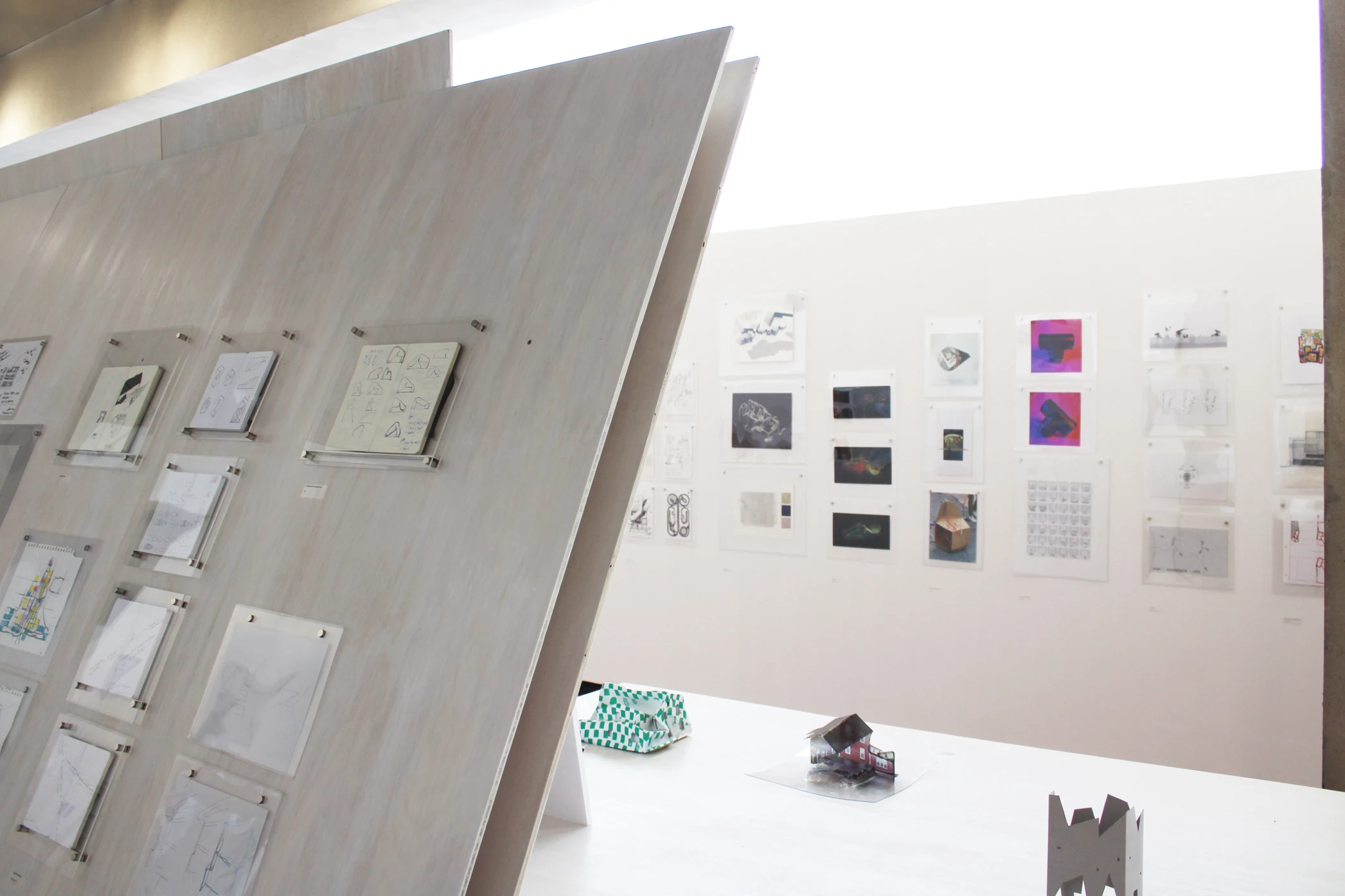
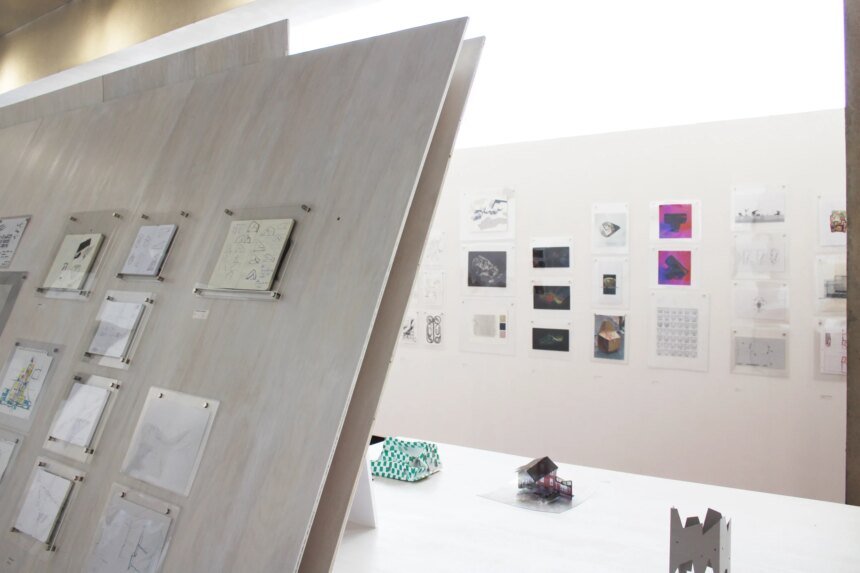
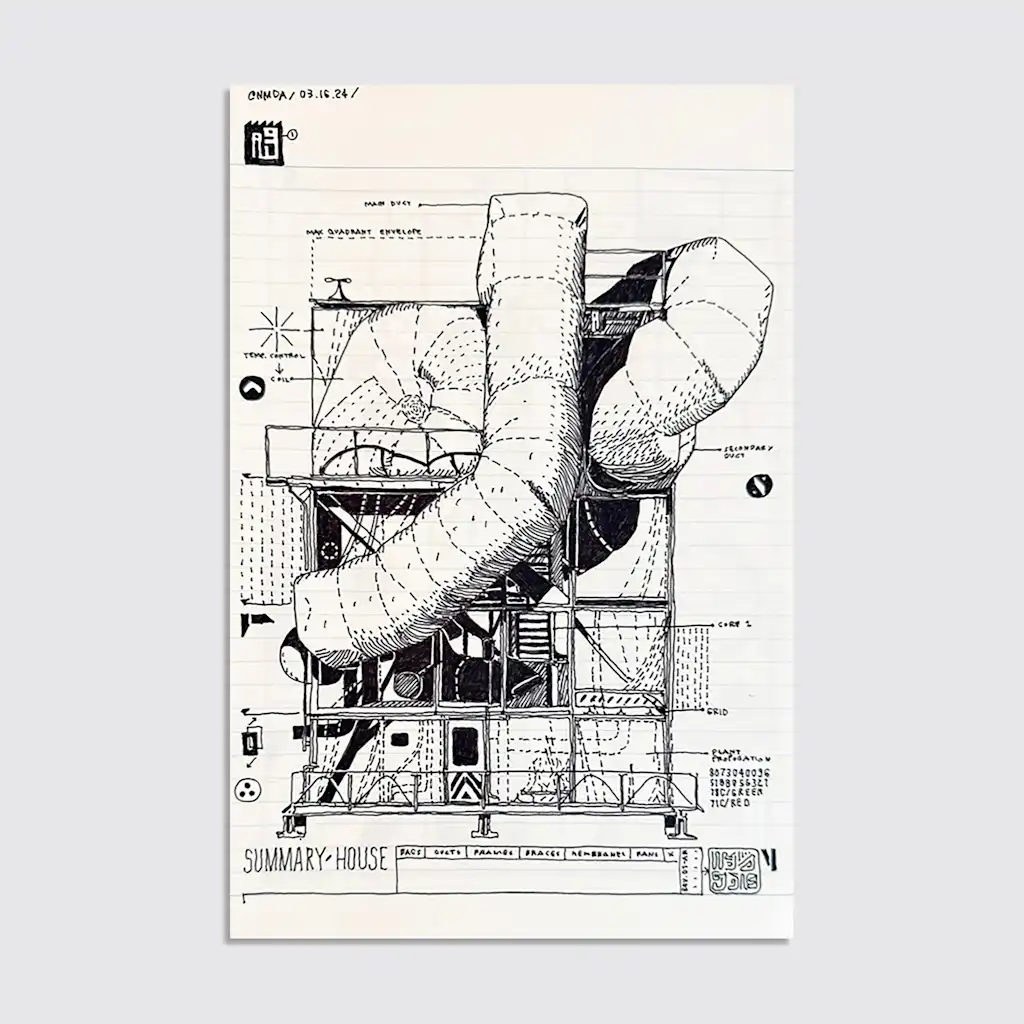
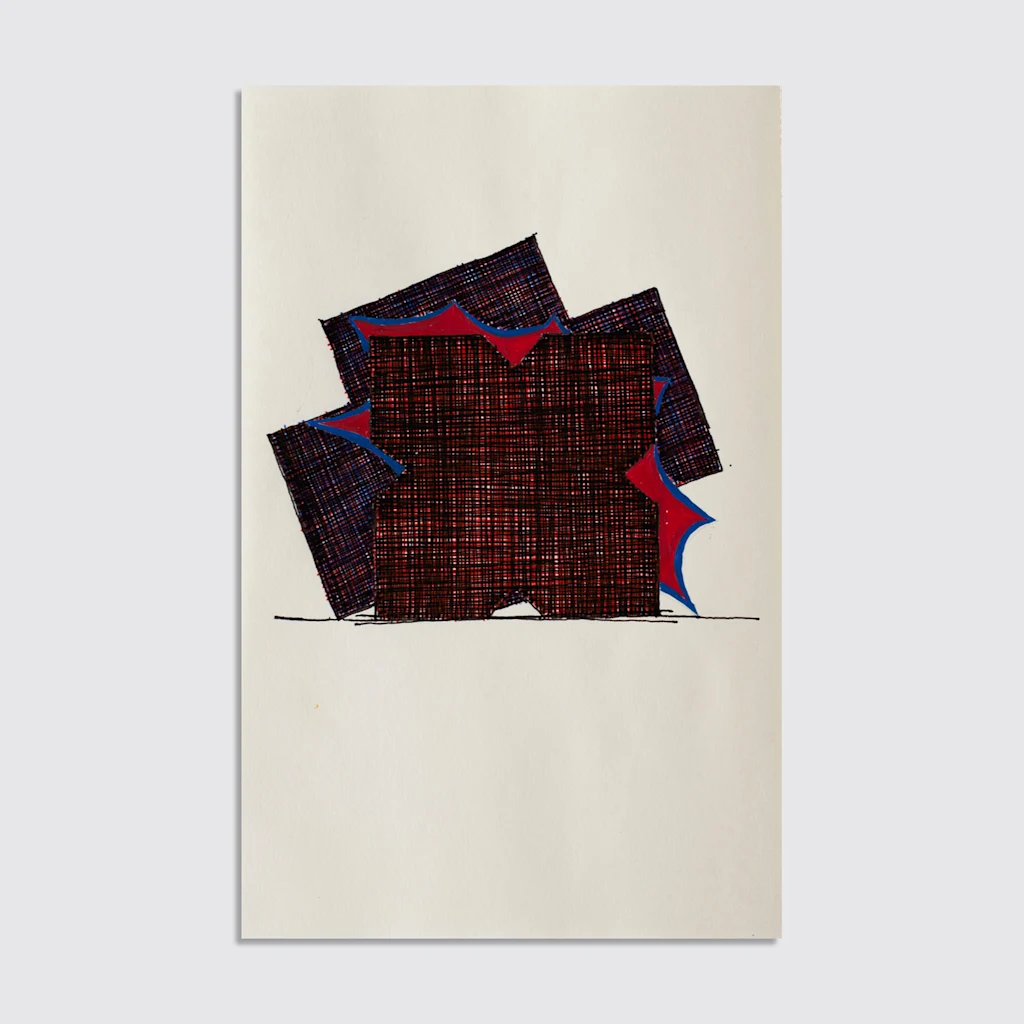
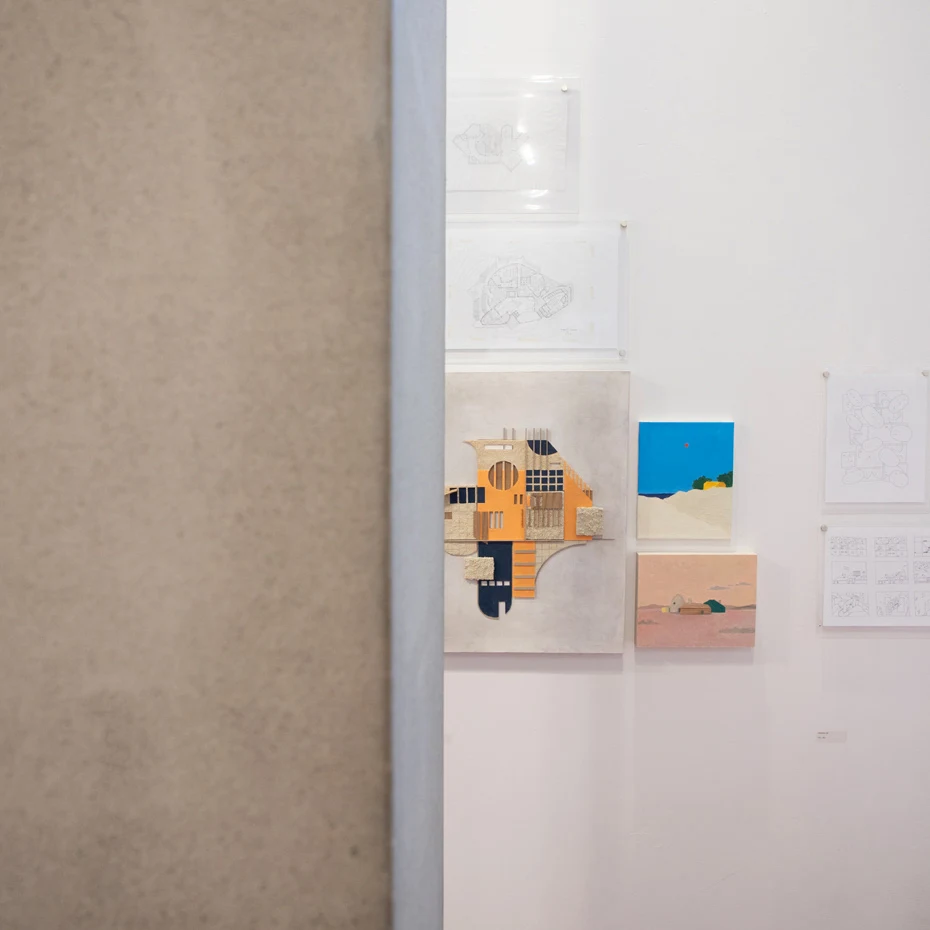
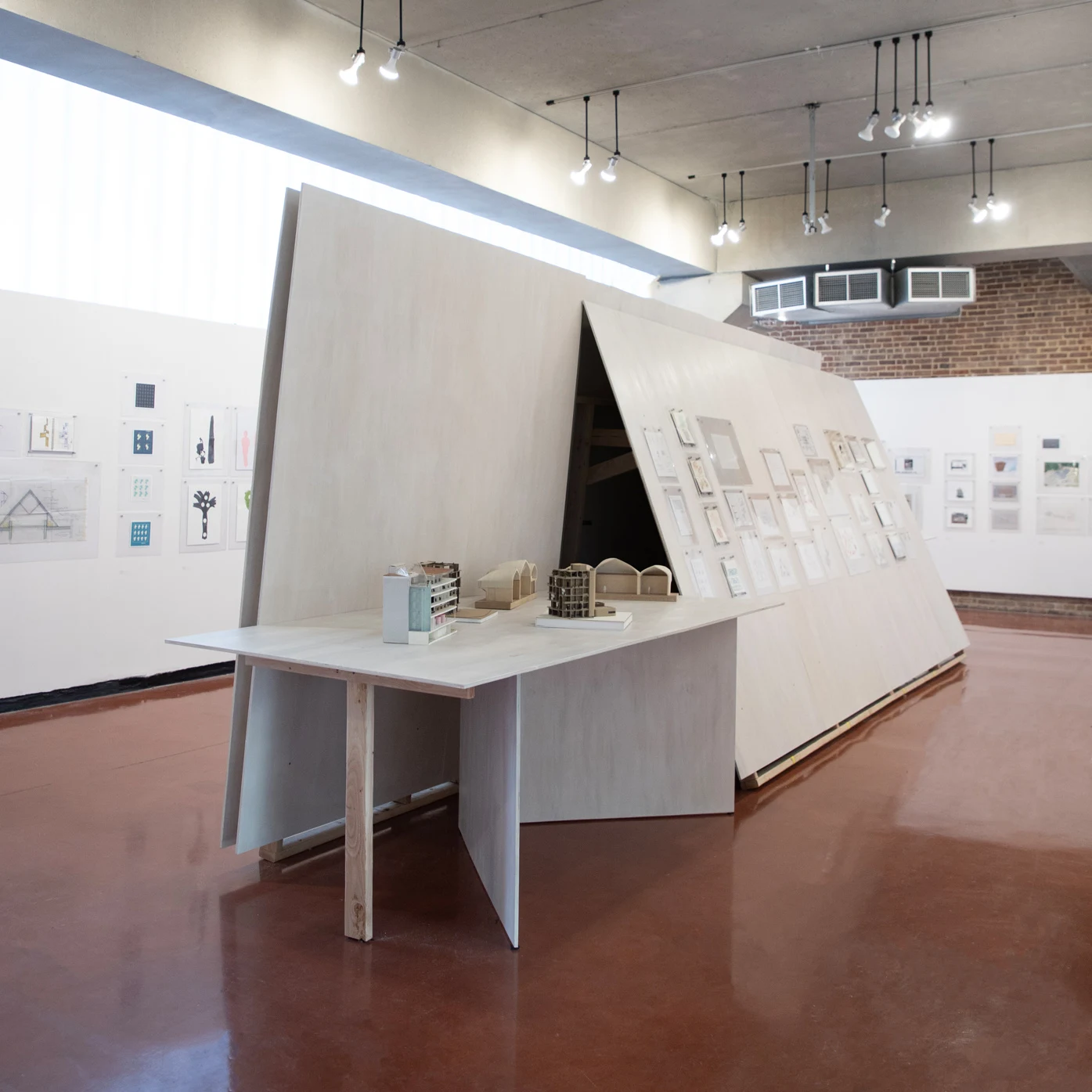
Holder, a practicing architect and chair of graduate architecture, landscape, and urban design at the Pratt School of Architecture in Brooklyn, recently curated an exhibition that examines the role of the sketch in contemporary architecture. The exhibition, titled Levers Long Enough, includes more than 200 sketches from over 60 architecture practices that sent in watercolors, pencil sketches, and even embroidered scribbles. It is both a rebuke to AI, and an ode to the physical experience in an increasingly digital world.
How the architectural sketch (temporarily) died…
Definitionally, at least according to Holder, a sketch is quick, economical, and physical. Sometimes, he says, the sketch can be performed on a touch screen like an iPad, but only if “we can feel the contact between the hand and the image.”
As it happens, this physical contact has been disappearing for decades. “Beginning the ’90s and through the early aughts, the sketch was obliterated from the classroom,” says Holder.
With the dawn of computer-aided design, the sketch took a step back in the architecture practice, and though it never disappeared, it has yet to reclaim its place in architectural pedagogy. While life drawing was once a cornerstone in architecture schools—architecture students at the Paris École des Beaux-Arts studied and sketched the fragments and plaster casts—few universities today have a class dedicated to sketching. London’s Bartlett School, as well as the AA School, are both famous for their emphasis on freehand drawing, but most architecture schools around the world, Pratt included, focus on more technical practices like drafting and perspective drawing.
…And why it’s making a comeback
Slowly, however, the sketch is returning to the spotlight. Holder first noticed its re-emergence in 2025, in the work of Hilary Sample and Michael Meredith of MOS Architects. “A whole section of their website popped up where they showed hand sketches for every project,” he recalls.
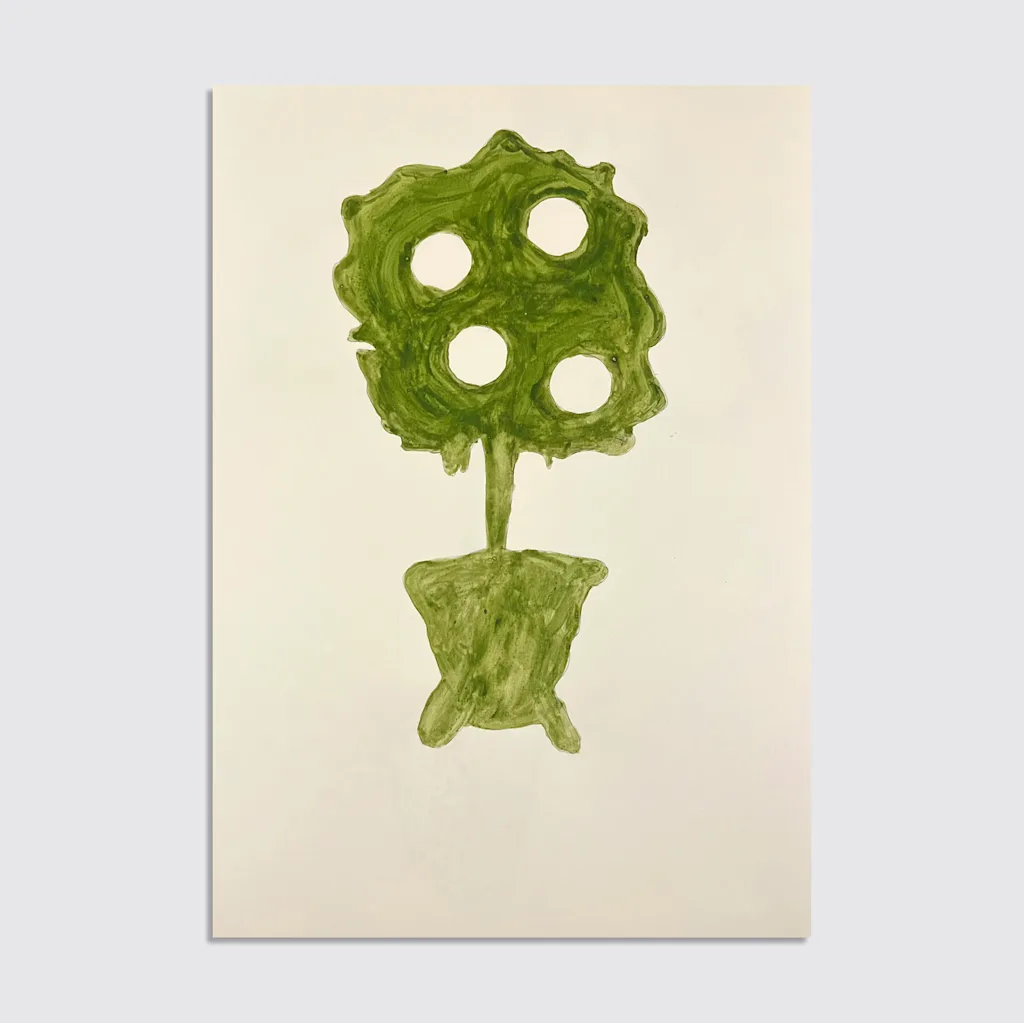
MOS, who, in the early 2000s, became known for their experimental use of custom-coded software to animate renders, had never stopped hand-sketching. “They just haven’t been showing it,” says Holder, who went on looking for similar patterns across the industry.
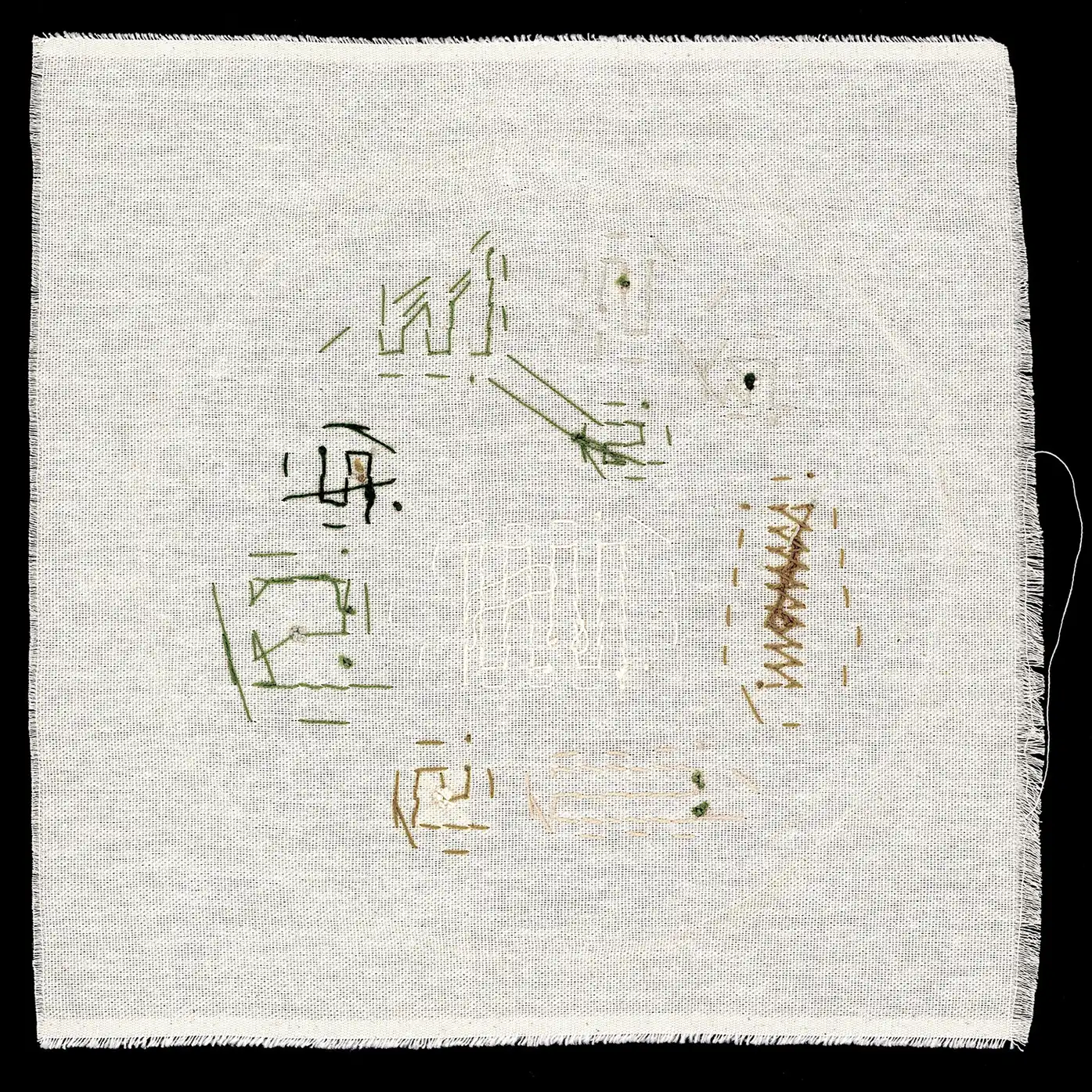
The breadth of work on display at the exhibition is the culmination of his search. From industry giants like Steven Holl and Weiss Manfredi, to emerging practices like Current Interests and Almost Studio, everyone, it seemed, had a hand-sketching practice. “Everywhere you look, these people are showing [sketches] right alongside images of finished buildings, as though they had equal weight,” he says.
The willingness to show a hand-sketch right next to a photograph suggests a certain pride in this once-endangered art form. It also proves how much the narrative has shifted. “Pride is the word, but if we think back to what people were proud of 10 years ago, it would’ve been a polished photorealistic rendering,” says Holder.
The unintended AI effect
That the traditional sketch is coming back in the age of AI might seem surprising to some, but it becomes predictable once you understand what technology tends to do to the things it displaces. When digital cameras flooded the market, film photography was reborn as a deliberate practice. Similarly, in 2024, vinyl sales in the U.S. surpassed CD sales. Each time a new technology promises to render an older one obsolete, the older one re-emerges, stripped of its utility but charged with new meaning.
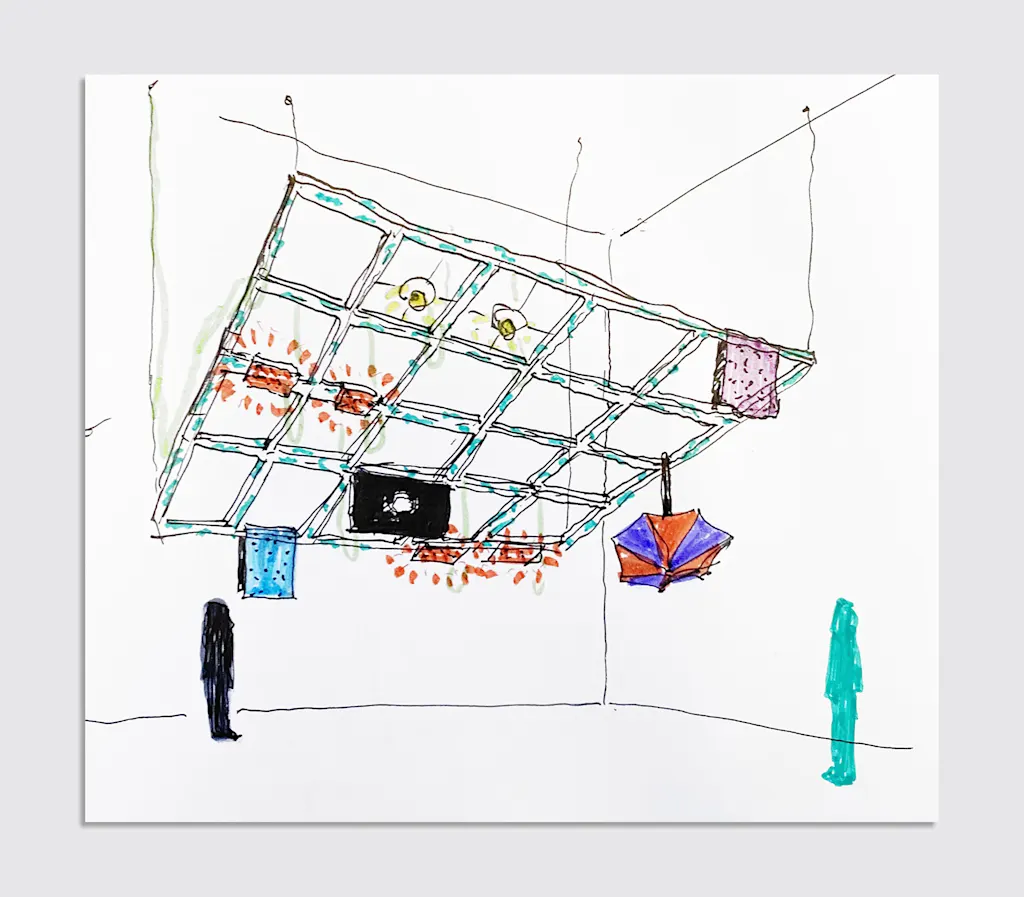
As Holder points out, the most common arguments in favor of AI have been about efficiency or speed, but for many architects, that is precisely what the sketch is for. As “AI slop” continues to creep into every nook and cranny of our digital lives, clients are also beginning to see the hand-drawn sketch as a sign of care, deliberation, and “actual thought,” says Holder.
As it turns out, the sketch may well be the most primordial expression of the human experience. No algorithm can ever replace that.

