






My new favorite creator on TikTok is Apple. Yes, that Apple.
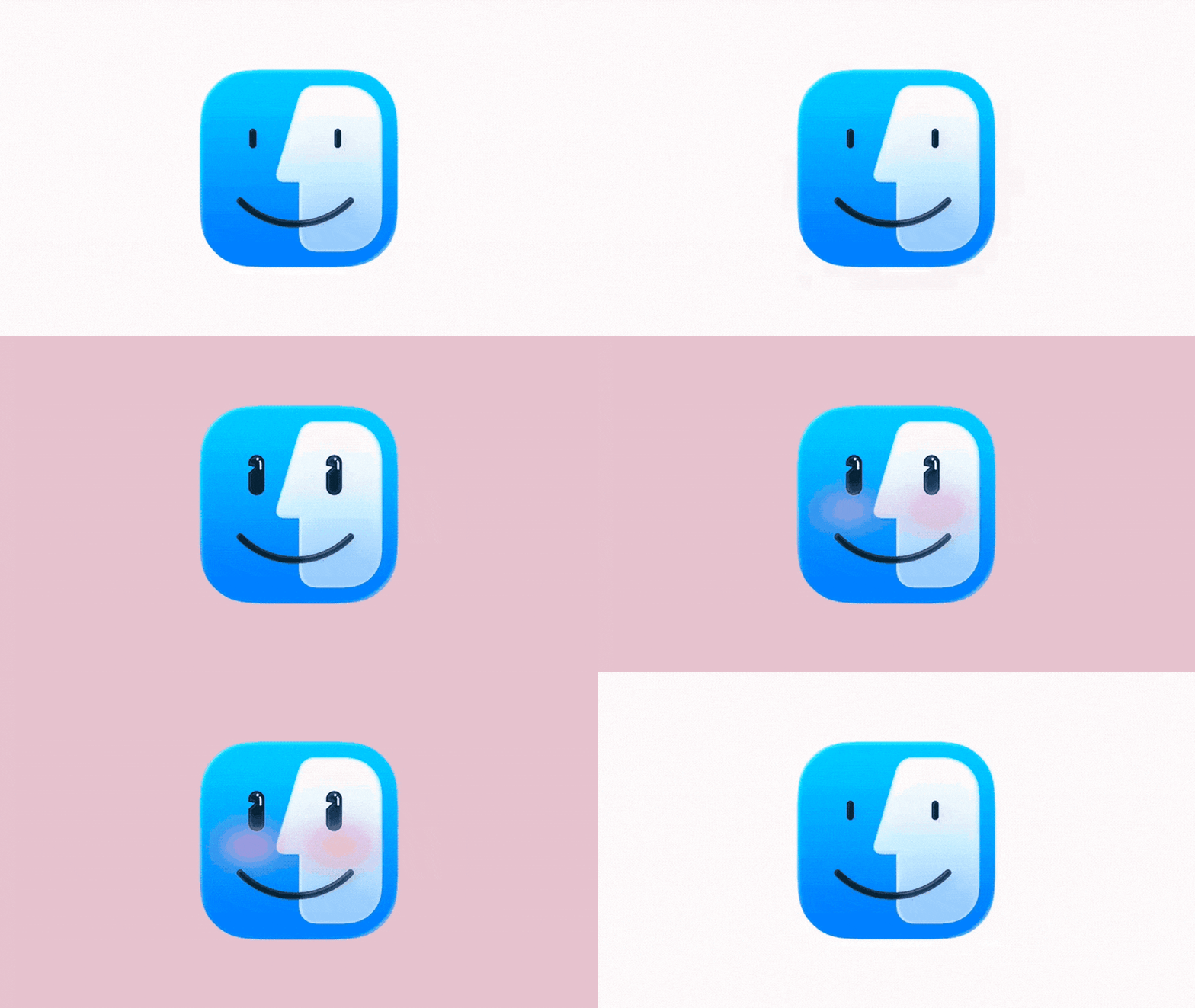
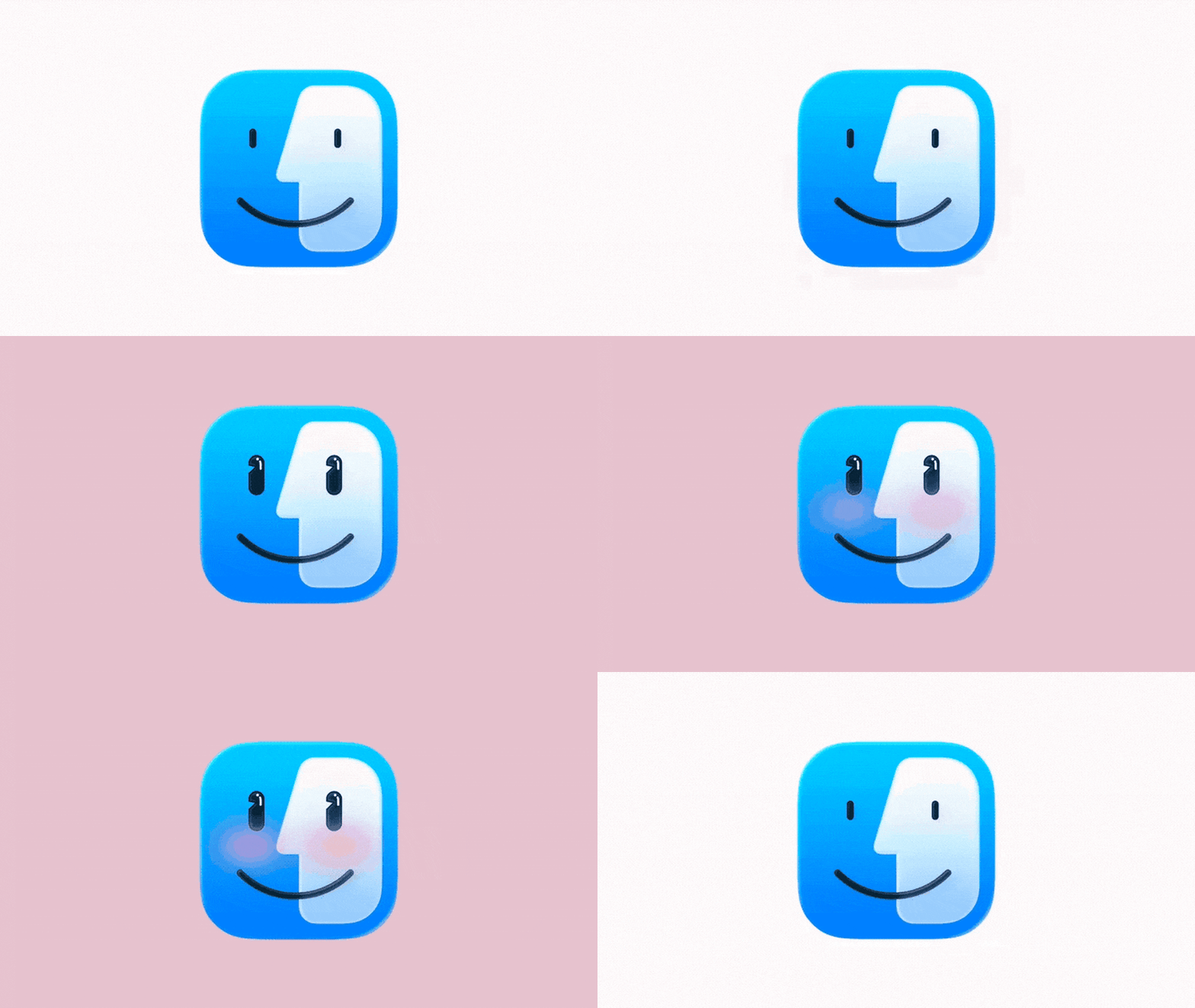
On March 4, Apple launched its newest product, the head-turningly affordable $599 MacBook Neo. That same day, the company also deleted all of the content that once populated its TikTok page and started over. Its new videos—on view there are now 15—run the gamut from a clip inspired by Steve Jobs’s original introduction of the 1984 Macintosh to a cutesy animation of the Mac finder icon giggling and blushing. The videos have consistently debuted in batches of three, each corresponding to one of the brand colors associated with the Neo.
This TikTok refresh is a clear play to cater to the audience that Apple knows is most interested in the Neo: Gen Z. The new laptop model, powered by the same architecture inside your iPhone, is targeting a younger user base with its unprecedentedly low price point and aesthetic color options, which tap into Gen Z’s long-demonstrated obsession with retro-tech.
So far, the new TikTok strategy seems to be working. Based on a Wayback Machine capture from February 28, Apple was sitting at 7 million followers and 21.9 million likes before the change; figures that have now jumped to 7.8 million and 31.6 million, respectively. Apple also recently debuted a secondary Instagram account called @helloapple, which will be dedicated to news, product marketing, and customer stories. This account has a decidedly more corporate feel than the brand’s TikTok, but demonstrates the company’s broader desire to expand its presence on socials.
Apple’s new TikTok page works because it takes an amalgamation of trending aesthetics and blends them with Apple’s high design point of view, turning every silly video into a loopable work of art.
Why Apple’s new TikTok is genius
Plenty of brands have experimented with how to best capture Gen Z on TikTok, and Apple’s team has evidently taken notes out of multiple playbooks. The company is experimenting with everything from brain rot content to y2k nostalgia, ASMR, goofy branded songs, and creepy edits. Ordinarily, such a wide range of aesthetics might make a brand seem cringeworthy and pandering. For Apple, though, the meticulous creative execution of the launch ties everything together.
Take, for example, one 14-second clip of a woman opening and swatching a pink blush, referencing the “Blush”-hued Neo. The concept is simple, but every detail of the video has been optimized to tap into Gen Z’s love for y2k aesthetics—from the model’s striped top and the pink shag rug to the custom blush container, featuring Apple’s logo, that appears to be an allusion to the colorful plastic shell of the ‘90s iMac G3 computer.
This mash-up of nostalgiacore with a direct reference to a recognizable Apple product of the era makes the video feel authentic, not forced. The post’s engagement reflects that: as of this writing, it’s notched more than 64 million views and nearly 35,000 comments, most of which are begging for Apple to bring back some of its beloved colorful hardware. In a similar vein, other clips cleverly pair Apple’s signature sonic design with eye-catching visuals, like a 3-second video of the sun rising to the Mac startup chime, or a juicy mash-up of citrus fruits choreographed to an edit of various notification sounds.
The account is also testing some videos that brush into brain-rot territory, a social trend we’ve described as a form of digital marketing that “embraces head-turning, often nonsensical choices, like fried visuals, abrasive design, and unsettling storylines.” These include clips like a slightly unnerving compilation of people with their hands dyed blue (presumably as a reference to the “Indigo” Neo), a custom brand song dedicated to Apple’s fingerprint recognition software, and a silly clip of a lemon facetiming a lime (mimicking the colors of the Neo’s default background screen).
While other brands like Duolingo, Nutter Butter, and Brita have taken similar brain-rot strategies to the extreme on their accounts, Apple’s twist on brain-rot demonstrates that it understands what makes this content resonate—a combination of irreverence and unexpectedness—yet also knows to keep its approach restrained and aesthetically pleasing, giving it a distinctly Apple feel.
It’s Steve Jobs-meets-brain-rot, in the best way possible.

