





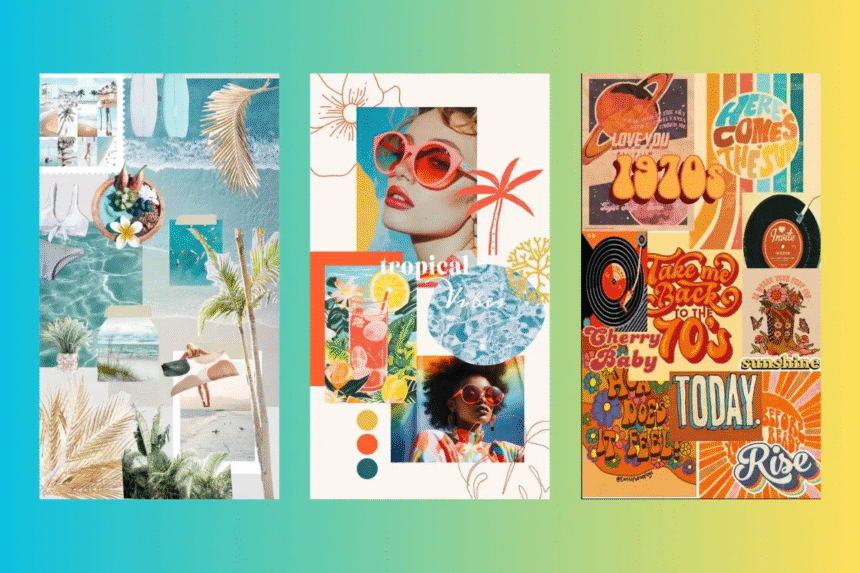

In 2025, the most successful brands are no longer competing primarily on product specifications, price discounts, or feature lists. Instead, they are competing on something far more powerful: emotion. This shift marks the rise of what many marketers are calling vibe marketing—a strategy focused on selling a feeling, identity, or cultural moment rather than just a product.
For decades, marketing revolved around information. Brands highlighted durability, performance, price advantages, and technical superiority. Consumers compared specs, read reviews, and made decisions based on rational evaluation. While these factors still matter, they are no longer the main driver of purchasing decisions in a world saturated with similar products.
Today, consumers are overwhelmed with choices. Nearly every category—from clothing to technology to coffee—has dozens of brands offering comparable quality. When products become indistinguishable, the differentiator becomes how the brand makes people feel. This is where vibe marketing emerges.
What Is Vibe Marketing?
Vibe marketing focuses on crafting a distinct emotional atmosphere around a brand. Instead of asking “What does this product do?” the strategy asks, “What does this brand feel like?”
A vibe is built through aesthetics, storytelling, music, visuals, language, and community. It’s the subtle energy a brand projects across its social media, advertising, packaging, and even customer interactions. The goal is to create a mood that resonates deeply with a specific audience.
When people connect with a brand’s vibe, they aren’t just buying a product—they are buying into an identity.
Why Emotion Beats Information
Human decision-making is largely emotional. Behavioral psychology consistently shows that emotions often precede rational justification. Consumers might later explain their purchase using logic, but the initial attraction frequently comes from a feeling.
In the digital age, attention spans are shorter and content consumption is faster. People scrolling through social media rarely pause to analyze product details. Instead, they react instantly to visuals, tone, and cultural alignment.
A strong vibe allows brands to communicate instantly. Within seconds, consumers can sense whether a brand feels minimalist, rebellious, cozy, futuristic, nostalgic, or luxurious.
That immediate emotional recognition is incredibly powerful.
The Role of Culture and Community
Vibe marketing thrives on cultural relevance. Brands that succeed in this space often embed themselves in communities rather than simply advertising to them.
This might include:
- Collaborating with niche creators
- Participating in cultural conversations
- Designing visuals that match internet aesthetics
- Speaking the language of a specific subculture
When done correctly, the brand feels less like a corporation and more like part of a shared cultural experience.
This sense of belonging strengthens loyalty far more effectively than traditional advertising.
Design and Aesthetic Consistency
A strong vibe requires consistency. Every touchpoint—logo design, typography, photography style, color palette, music, and messaging—must reinforce the same emotional tone.
Brands investing in vibe marketing often focus heavily on visual storytelling. Instead of product shots with technical descriptions, they create cinematic imagery, mood-based campaigns, and lifestyle-driven content.
The product becomes a supporting character within a broader emotional narrative.
Social Media as the Vibe Engine
Platforms like Instagram, TikTok, and Pinterest are perfect environments for vibe marketing because they prioritize aesthetics and atmosphere. Users engage with content that feels immersive and relatable.
Successful brands treat their social feeds less like catalogs and more like curated mood boards. The goal is not simply to sell but to create an experience that audiences want to follow and engage with daily.
Over time, this builds familiarity and trust.
The Future of Brand Strategy
As AI and automation make it easier to produce similar products, emotional differentiation will become even more critical. The brands that win will be those that understand how to craft a compelling vibe that resonates with a specific audience.
This doesn’t mean abandoning product quality. Instead, it means recognizing that great products alone are no longer enough. Consumers want meaning, identity, and connection.
In the era of vibe marketing, brands aren’t just selling items.
They’re selling a feeling people want to live inside.

