





Big companies always have a pecking order
First the CEO. Then CFO—who often eventually becomes CEO. This conveyor belt of corporate succession is replicated across every sector on earth.
But in fashion, the CFO is a back-office function. It is the creative director who sits alongside the CEO, sometimes as a junior partner, sometimes as an equal, occasionally as the more powerful of the two.
In an industry where the product is aesthetics and the currency is desire, the person who decides what the clothes look like, how they feel, what they mean and how they are presented shapes everything.
When analysts at Bernstein began scoring fashion show debuts on a scale of one to 10 last year, treating runway moments like earnings calls, they were not being eccentric. They were belatedly catching up to a reality that everyone inside the industry already understood: creation drives commerce.
The creative director role is one of the strangest in business. They must produce multiple collections a year—some houses demand twelve—while simultaneously managing a design studio, overseeing advertising campaigns, sitting for press interviews, and embodying a coherent aesthetic vision that can communicate something from a single garment in three seconds flat.
Karl Lagerfeld, who held the role at Chanel for 36 years until his death in 2019, described his function simply: “I am like a parasite. I need a host to express what I feel.”
It’s a precise account of what creative directors do: Walking into someone else’s house and making it theirs. Making it fresh. Making it desired. But also making sure the house still resembles the original house when the founder lived there.
Tom Ford arrived at Gucci in 1994 when the company was losing $22 million a year and its own outgoing creative director had declared that “no one would dream of wearing Gucci.”
Ford’s diagnosis was simple. “I wanted to bring the edge back to Gucci that it had in the Fifties and Sixties,” he told WWD at the time. Within a year of his appointment, Gucci sales had risen 90%.
By the time he left a decade later, annual revenues had gone from $230 million to $3 billion.
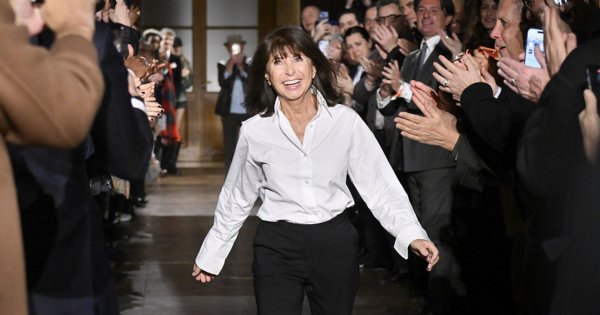
Veronique Nichanian, who stepped down earlier this year from Hermès’ menswear after 37 years—longer than almost any creative director in the modern luxury era— turned Hermès menswear from an empty corner of the business into one of the most copied aesthetics in the world.
Fashion went through the “great reset of 2025” with the debut of 15 new creative directors in a single season.
Gucci, Chanel, Dior, Balenciaga, Maison Margiela, Loewe, Bottega Veneta, Celine, Versace, Fendi, Jean Paul Gaultier, Mugler, Jil Sander, Proenza Schouler, Marni—all turned over simultaneously.

