


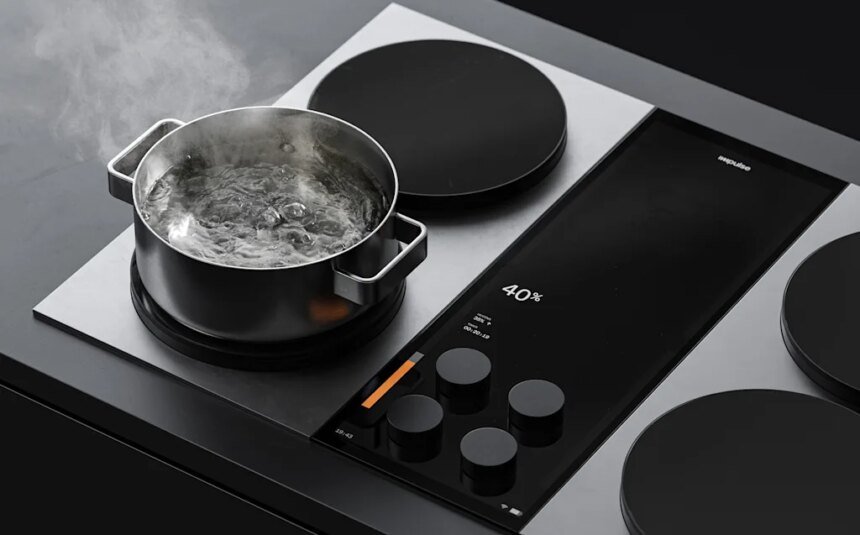

Impulse, a sleek induction stove that began shipping to customers last year, advertises itself as “unlike any other induction stove ever made.”
But that product is now at the center of a legal fight.
Copper, another company making next-generation induction stoves, sued Impulse on Friday in federal court in Delaware for patent infringement. At the center of the dispute is a shared design choice: Both companies build stoves with batteries tucked inside, a feature that boosts performance, eases installation in homes without electrical upgrades, and doubles as energy storage to ease strain on the electric grid.
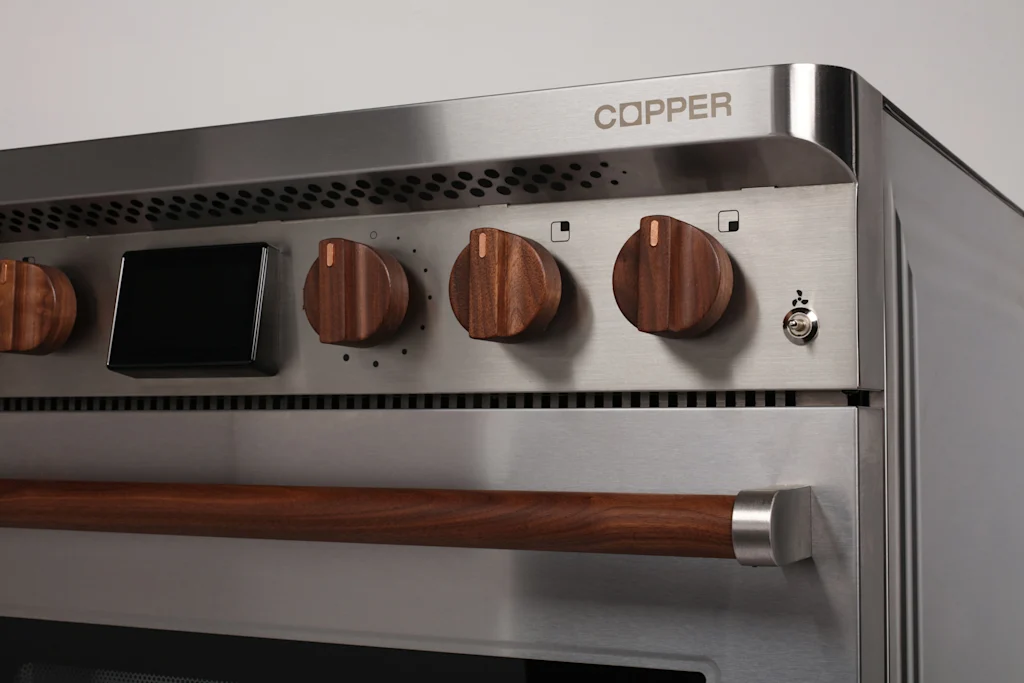
It’s a novel idea, and one that Copper patented first. In a copy of the lawsuit obtained by Fast Company, Copper claims its founders began developing the technology as early as 2019. (The work spun out of R&D lab Otherlab, which received a U.S. Department of Energy grant in 2020 to push the idea further.) The company formally launched in 2022 and secured its first patent that March for “appliance level battery-based energy storage.” Two additional patents followed in 2024 and 2025, detailing versions of an induction stove with an integrated battery. The company has raised around $35 million in venture funding to date, according to PitchBook.
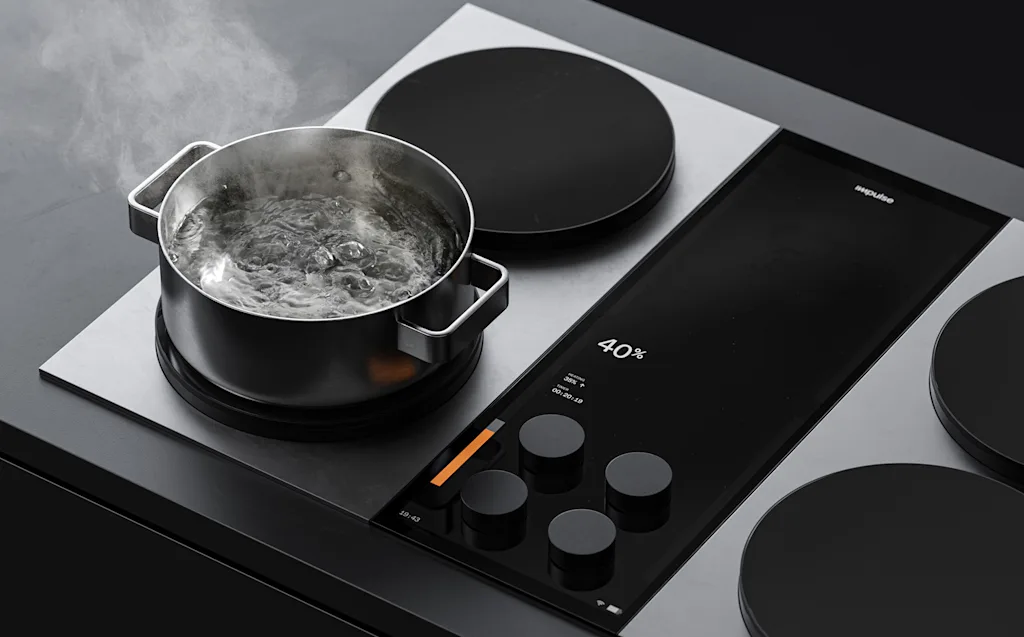
Impulse Labs launched in 2022; it’s unclear when the company started work on its design, or how familiar it was with Copper’s work at that time. At launch, Impulse talked about the energy storage benefits of its design. “Effectively, we’re Trojan-horsing a small battery into people’s homes when the appliance goes in,” founder Sam D’Amico, a former Facebook engineer, told Fast Company in late 2022. (Impulse has raised $25 million in venture funding.)
The upside for the electric grid is significant. The cost of batteries has dropped dramatically, but grid-scale storage is still slow to build, and it’s more efficient for storage to be located next to the point of use. Home batteries like the Tesla Powerwall are pricey and require permits and electricians to install. If a battery is built into a stove at a factory, installation is as simple as plugging in the appliance. At scale, the stoves can store excess renewable energy and later help the grid during peak demand.
Impulse tried to patent the idea of a battery-embedded stove—with four attempts in 2024 and 2025—but the U.S. Patent and Trademark Office rejected the company’s applications, citing Copper’s existing patents. Now Copper’s patent infringement suit is asking for damages “in no event less than a reasonable royalty.”
Copper CEO Sam Calisch insists that, despite the lawsuit, he wants to see its battery-integrated design spread across the industry. “Our goal is to eliminate barriers to electrification,” he tells Fast Company, pointing to Copper’s push to bring battery-integrated appliances into more homes by working with large appliance manufacturers that want to license the tech. But, he adds, that push depends on partners respecting its intellectual property.
Fast Company has reached out to Impulse for comment and will update the story as we hear back.

