







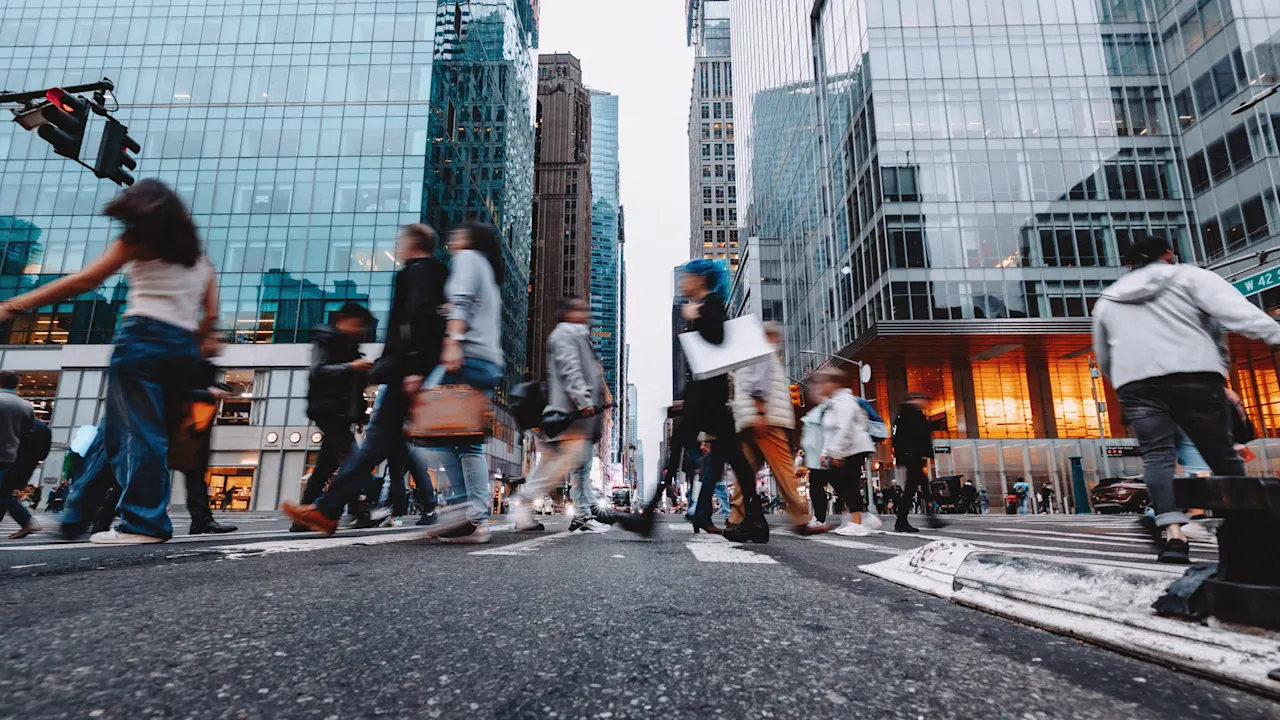
One of the major changes unleashed by the pandemic—and the accompanying spread of remote work—was the large migration of employees from major urban areas. With many jobs no longer anchored to city-based offices, people were free to move to almost anywhere else they preferred to live—often at lower costs to boot. But now, new survey data indicates that exodus has reversed course, with grim labor markets and tightening return-to-office (RTO) mandates causing employment-focused workers to head back to metropolises again.
That finding was one of many big changes noted in the State of Global Hiring study by payroll and human resources service company Deel. It said that while the introduction and continuation of pandemic-era flexible work arrangements had allowed countless employees to move to places where they could work remotely, the accelerating trend of businesses tightening RTO rules has now drawn many workers back to big U.S. cities.
“After a pandemic-era exodus from major cities, remote workers are gradually migrating back,” a Deel statement said about the geographic dispersal of employee that reached its peak in 2022. “In the U.S., workers are now as close to major cities like New York, Los Angeles, Chicago, Houston, and San Francisco as they were in 2021.”
What’s driving that return to the nation’s urban centers? Continued evolution of labor markets is one factor, including the kinds of jobs that are now most abundantly available to workers in today’s tight employment environment.
For example, Deel recorded a nearly 60 percent surge in the number of U.S. jobs for artificial intelligence model trainers. That means working in the tech sector, which has led the push for reinforced or full-week RTO.
Lower but still strong growth rates were observed for other roles crucial to helping businesses pursue fast-developing activities in tech, finance, and other fields. Those more plentiful employment opportunities also tend to be office-based, drawing more candidates back to the cities that host them.
“Post-pandemic, there is a slow crawl towards the urban centers that were always where top talent gravitated towards,” before the spread of Covid, said Deel economist Lauren Thomas in the statement. “That talent still lives in major metro areas, closer to big cities than they have in recent years, and they’re a hot commodity for companies.”
At the same time, reduced job flexibility is also a likely reason for why workers are returning to big urban areas.
Over the past 18 months, many U.S. employers have been increasing their RTO requirements for staff, with companies including Amazon, AT&T, and Home Depot requiring full-week presence. That tightening trend has also caused people to reconsider where they live and return to places where more or better employment opportunities are once again rooted.
That marks a big change from earlier post-pandemic worker perspectives that led many people to demand job flexibility as a condition of remaining with an existing employer or joining a new company. Indeed, according to a January survey by MyPerfectResume, only 7 percent of workers “now say they would quit outright over a mandatory RTO policy, compared to 51 [percent] in January 2025.”
Another 46 percent of respondents said they expected companies to further tighten their RTO mandates this year, and 44 percent said they believe at least half of U.S. companies will completely eliminate remote work by the start of 2027. Those shifts are making it harder for a growing number of people to continue living and working in the farther-flung places they’d rather be.
“This dramatic decline signals a shift away from worker leverage toward a new phase of employer control—what many are calling the ‘Great Compliance,’” the MyPerfectResume report on the survey said. “Economic anxiety is reshaping employee behavior. What was once a deal-breaker is now a calculation rooted in job security, not preference.”
—Bruce Crumley
This article originally appeared on Fast Company’s sister website, Inc.com.
Inc. is the voice of the American entrepreneur. We inspire, inform, and document the most fascinating people in business: the risk-takers, the innovators, and the ultra-driven go-getters that represent the most dynamic force in the American economy.

