




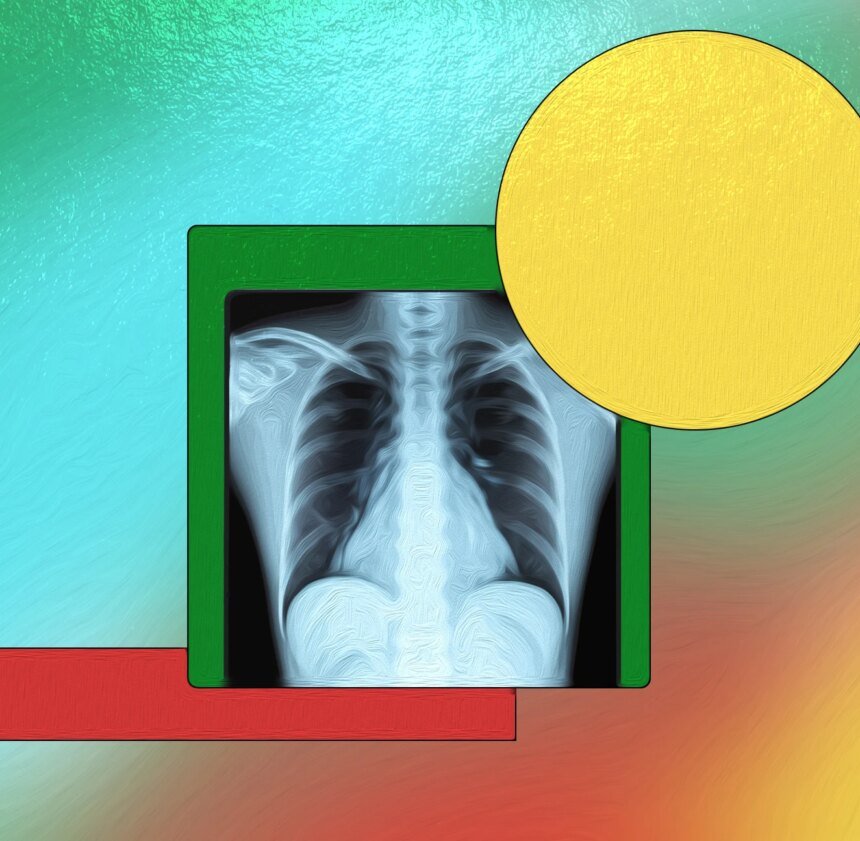

It’s so easy to cheat now. Using generative AI, anyone can get a free meal or product. They can even get free money by scamming the government itself. And, like radiologists have just discovered, they can even cheat doctors and insurance companies by using AI-generated X-rays.
According to a new study published by the Radiological Society of North America, most experts can’t distinguish fake fractures from the real thing now. Undetectable insurance fraud is one click away. It’s just the last of a growing list of low-hanging fruit, zero-cost scams made possible with the power of AI. And it’s only going to get worse.
Fake x-rays
The Radiological Society of North America’s study subjected 17 global medical specialists from six different countries, some boasting up to 40 years of field experience, to a visual test involving 264 X-rays—half authentic and half synthetic creations created by AI tools like ChatGPT and Stanford’s open-source RoentGen model. When left entirely in the dark about the presence of these artificial images, the physicians only managed to correctly identify the synthetic X-rays 41% of the time.
Even after receiving explicit warnings that fakes were hidden in the batch, their average success rate limped up to 75%, ranging between a dismal 58% and a respectable but imperfect 92%. A doctor’s decades of hands-on experience offered little statistical advantage in catching the deception, the study says, though musculoskeletal experts performed marginally better than their peers.
To make matters worse, the large language models responsible for birthing this digital chicanery—including GPT-4o, GPT-5, Gemini 2.5 Pro, and Meta’s Llama 4 Maverick—fared no better as automated detectives, scoring accuracy rates between 57% and 85%.
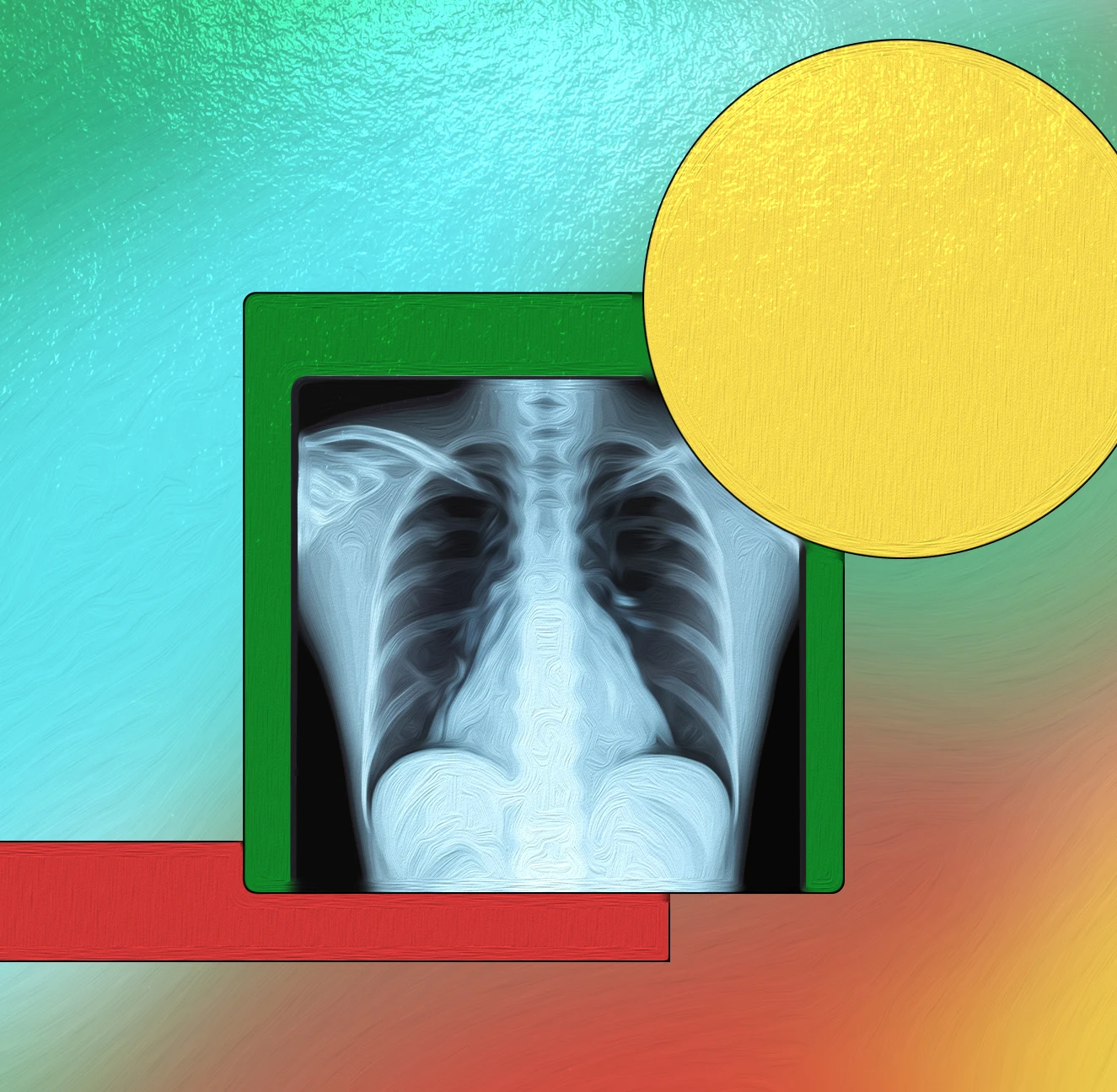
“Our study demonstrates that these deepfake X-rays are realistic enough to deceive radiologists, the most highly trained medical image specialists, even when they were aware that AI-generated images were present,” noted lead author Dr. Mickael Tordjman. “This creates a high-stakes vulnerability for fraudulent litigation if, for example, a fabricated fracture could be indistinguishable from a real one. There is also a significant cybersecurity risk if hackers were to gain access to a hospital’s network and inject synthetic images to manipulate patient diagnoses or cause widespread clinical chaos by undermining the fundamental reliability of the digital medical record.”
According to Tordjman, AI-generated medical images often look too perfect, with bones that are “overly smooth, spines unnaturally straight, lungs overly symmetrical, blood vessel patterns excessively uniform, and fractures that appear unusually clean and consistent, often limited to one side of the bone.” But that’s just yesterday’s crop of tools. Like AI-generated video, AI will make these X-rays absolutely perfect and undetectable soon. It’s the nature of the ever evolving AI beast.
To fight this, experts are demanding invisible watermarks and cryptographic signatures directly linked to the technician capturing the scan, effectively acting like a mathematical seal of authenticity that proves a human body was actually in the room.
Shallowfakes and raw deals
Fraudulent x-rays are a serious example of the more quotidian truth-bending that’s already happening. Take the rise of shallowfakes, which are surface-level digital illusions that require minimal effort to produce maximum financial deceit.
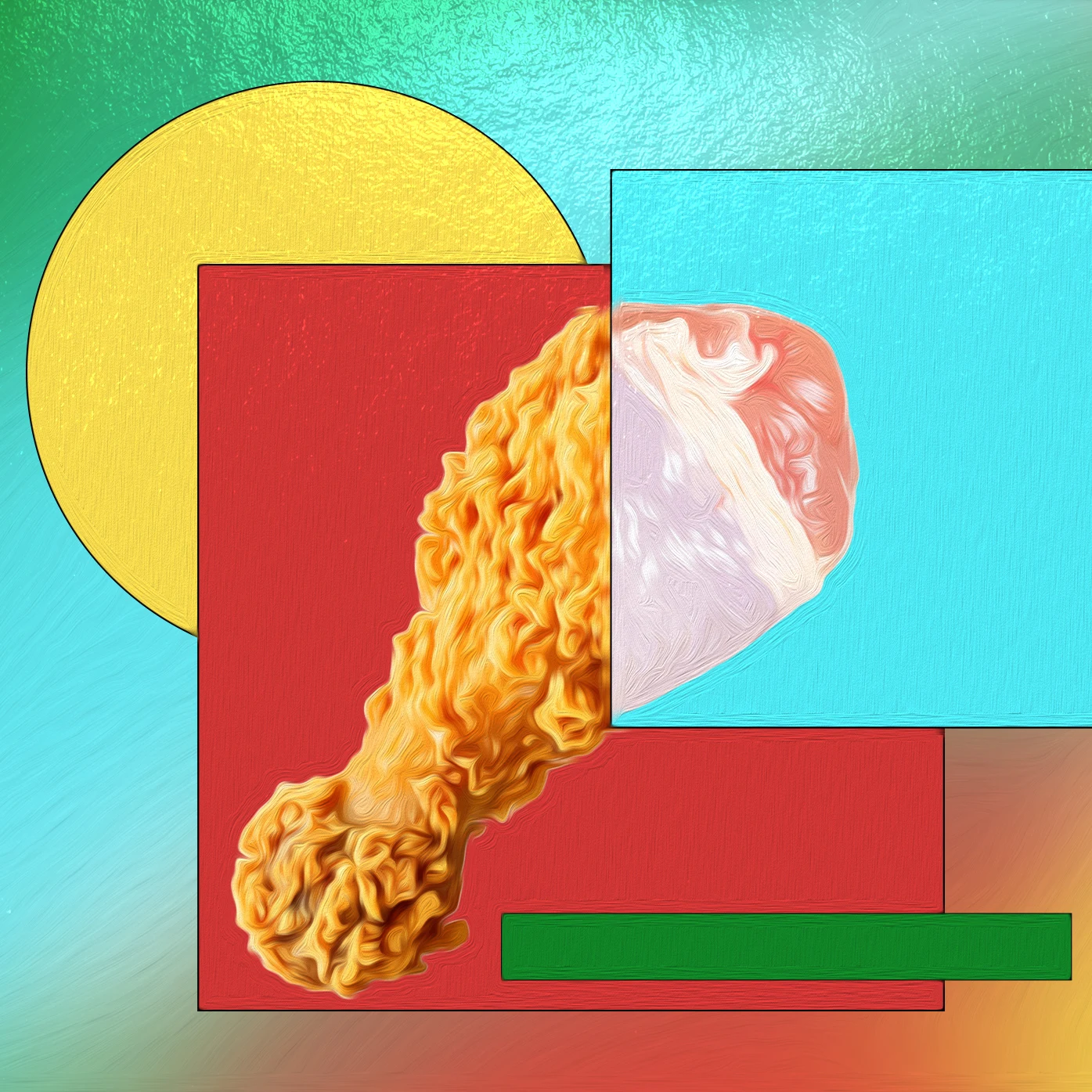
Ordinary consumers are using generative AI to visually alter their food deliveries into unappetizing disasters. It takes one click to digitally manipulate the interior of a hamburger or a piece of chicken so it appears raw, tricking algorithms and customer service reps into approving instantaneous refunds.
“The trend is real and growing,” observed generative AI fraud specialist Alberto Palomar to Spanish newspaper El Confidencial. “AI is putting it within the reach of anyone who has no idea about technology to take this trickery to all levels.”
While Uber Eats passes these fraudulent financial hits directly onto the unsuspecting restaurants, DoorDash maintains a strict corporate line, warning users that “trying to game the system with a fake image might seem clever at the moment, but it’s not worth a permanent ban over a $20 order.”
The human collateral damage in this digital swindle lands squarely on the gig workers delivering the food. When a customer successfully fakes a damaged or undercooked meal, the driver is penalized with bad ratings or permanent deactivation, says Ligia Guallpa, executive director of the Worker’s Justice Project. “The biggest complaint that deliveristas have is how the apps are aggressively punishing them for things that are out of their control,” she points out. Her organization was tracking roughly 1,500 active deactivation cases.
But it’s more complicated than that. Drivers are also weaponizing the technology to fake deliveries they simply steal. Austin-based DoorDash customer Byrne Hobart watched his Dasher accept the order, instantly mark it as complete, and upload an AI-generated porch photograph with the driver there. The company refunded his poke bowl and noted, “After quickly investigating this incident, our team permanently removed the Dasher’s account and ensured the customer was made whole.”
The million dollar paper trail
Meanwhile, the epidemic of micro-fraud is morphing into a macroeconomic catastrophe for the global insurance sector, mutating minor vehicular scrapes and broken smartphones into massive corporate liabilities.
In the United States, “20-30% of insurance claims may now include altered images, fabricated documents, or synthetic medical reports”, claims Shift Technology, a technology company that provides AI agents to automate claims.
In the UK, insurance company Allianz reported a 300% spike in the use of AI to alter documents, photos, and videos in customers claims from 2022 to 2023. It will only get worse, says global insurance data analytics company Verisk: “One in three consumers would consider digitally altering an insurance claim image or document to strengthen their case—and that number rises to 55% of Generation Z.”
In Spain, insurer AXA says it processes up to 30,000 claim-related documents a day, making it harder to spot synthetic tampering at scale. Arturo López-Linares, Claims Director at AXA Spain, outlined the terrifying breadth of the efforts. “It is an alarming trend. Documents have always been falsified, all our lives. The problem now is the ease with which you can do it and that these tools are within everyone’s reach,” he warned. “You can ask the AI to put a scratch on your car or modify a repairman’s invoice. It is impossible to catch it with the naked eye, so you also need to use technology to identify it.”
While acknowledging the digital cheating pool sits at just over 2% of the population, the math is unforgiving, says López-Linares: “We have gone from identifying only 3% of fraud cases with digital methods a few years ago to 30% currently… but it already accounts for millions of euros, and AI is playing a fundamental role.”
The problem with all this is that it is impossible to catch. Sure, you can analyze a digital photograph’s metadata—the hidden strings of code functioning like algorithmic fingerprints that log geolocation, device specs, and timestamp data—but since metadata can be effortlessly spoofed, that barrier is gone.
Some say the ultimate defense relies on advanced image analysis software, but as the X-ray study has demonstrated, that’s also hard and will soon be impossible. Future generations of AI will trump any forensic countermeasures we develop. Plus, the cost of these measures, which will be expensive to implement and run in server farms, effectively prices small and medium enterprises out of their own survival.
“This is what happens to many companies, processing returns or investing to catch fraud costs them more than assuming the cost of it,” Palomar concluded.
Perhaps now that AI is starting to dent the economy, the corporations and governments’ bottom line, the pressure will be high enough to push for mandatory truth-certification solutions that will benefit all of us.

