




Key Takeaways
- United Airlines CEO Scott Kirby uses a handpicked group of about a dozen pilots to vet job candidates for cultural fit and likability, not just skills.
- These pilots shadow candidates throughout the interview day to judge whether they would want to spend a four‑day trip with them.
- The pilots have veto power: if they decide a candidate isn’t someone they’d enjoy flying with, that person is rejected even if technically qualified.
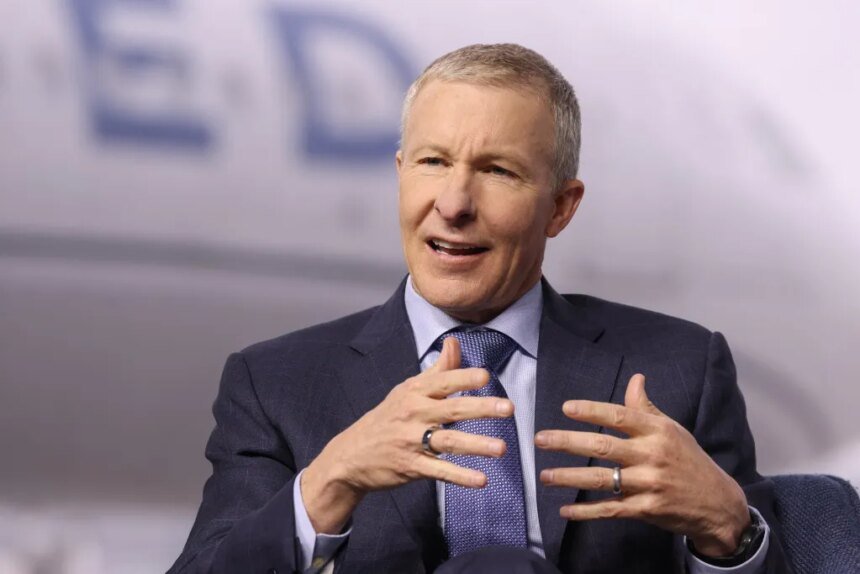
At United Airlines, qualifications matter — but so does cultural fit. CEO Scott Kirby uses an unconventional hiring process to gauge candidates’ interpersonal skills, not just their résumés.
In a new podcast interview with McKinsey chief Bob Sternfels, released earlier this month, Kirby elaborated on his new way to determine if job candidates are a good fit for the airline.
First, he asked the head of flight operations to pick out a dozen “well-liked” pilots. Then, when candidates visit for interviews, the pilots accompany them throughout the day — giving a tour of the facility, joining them for lunch and guiding them to their scheduled meetings. The idea is to recreate what it actually feels like to spend multiple days on traveling together and see who naturally meshes with the team.
“I told this group of pilots, ‘Your job is just to assess: Is this interviewee someone I would like to take a four-day trip with? And if you say no, then they’re out. You get a veto vote,’” Kirby said. “The idea is to pick people who care about others, who you want to hang out with, who you want to be with.”
United is highly selective
United’s enormous hiring funnel is part of what makes this approach possible. Kirby said that United receives 75,000 applications in a matter of hours for a job, and the airline ends up hiring around 3,000 candidates — a 4% acceptance rate. At that volume, the company can afford to be highly selective, using subjective filters like “would I want to fly with this person for four days?” without worrying about running out of qualified candidates.
“So for us, the question is: How do you find people who have the right mentality and customer service attitude?” Kirby said. “We can train them to do the jobs, but how do you build a process to pick the right people and keep them excited?”
A United spokesperson told Business Insider that the pilot‑veto tactic is just one piece of a much broader recruitment system that still adheres to “stringent criteria” set by the company and regulators. The popularity test doesn’t replace safety, proficiency, or regulatory requirements, the spokesperson said.
As of December 2025, United reported about 113,200 employees in its financial statements, after several years of growing its workforce.
Other CEOs with unique hiring tests
Former Charles Schwab CEO Walt Bettinger, who retired in 2024, told The New York Times in 2018 that he would arrange for a breakfast meeting with a job candidate, then secretively tell the staff to mess up their order.
“I do that because I want to see how the person responds,” Bettinger told the Times. “That will help me understand how they deal with adversity. Are they upset, are they frustrated or are they understanding? Life is like that, and business is like that. It’s just another way to get a look inside their heart rather than their head.”
More recently, Duolingo CEO Luis von Ahn told The Burnouts podcast in February that he pays taxi drivers extra to give their honest assessment of a candidate before they even step into the interview room. How a candidate treats the driver can make or break an offer.
“Our belief is if they’re going to be mean to the driver, they’re probably going to be mean to other people, particularly people under them,” von Ahn said on the podcast.
Key Takeaways
- United Airlines CEO Scott Kirby uses a handpicked group of about a dozen pilots to vet job candidates for cultural fit and likability, not just skills.
- These pilots shadow candidates throughout the interview day to judge whether they would want to spend a four‑day trip with them.
- The pilots have veto power: if they decide a candidate isn’t someone they’d enjoy flying with, that person is rejected even if technically qualified.
At United Airlines, qualifications matter — but so does cultural fit. CEO Scott Kirby uses an unconventional hiring process to gauge candidates’ interpersonal skills, not just their résumés.
In a new podcast interview with McKinsey chief Bob Sternfels, released earlier this month, Kirby elaborated on his new way to determine if job candidates are a good fit for the airline.
First, he asked the head of flight operations to pick out a dozen “well-liked” pilots. Then, when candidates visit for interviews, the pilots accompany them throughout the day — giving a tour of the facility, joining them for lunch and guiding them to their scheduled meetings. The idea is to recreate what it actually feels like to spend multiple days on traveling together and see who naturally meshes with the team.

