


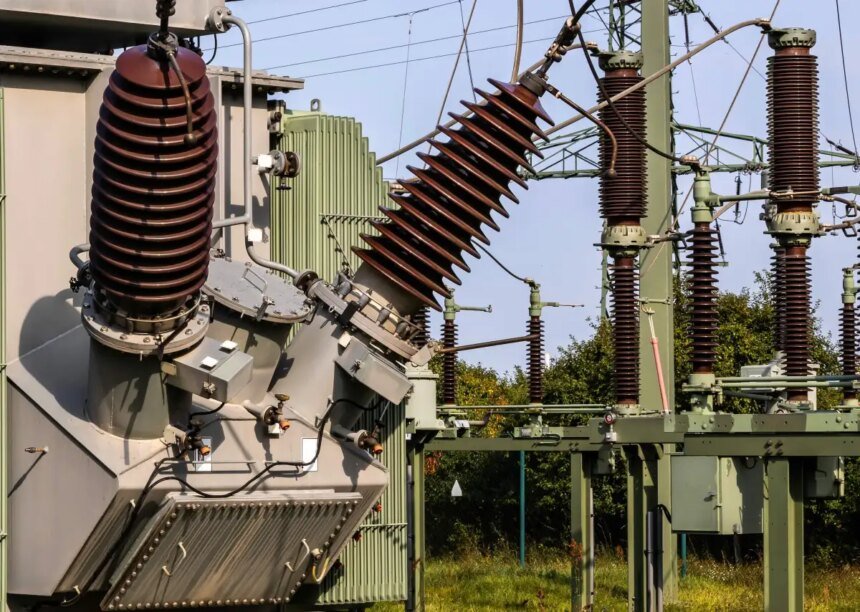

Demand for electrical transformers, fueled in part by AI data centers, has grown so high that one prominent investor is backing a new startup that uses a very old technology.
Ayr Energy makes transformers with iron-cores, the same basic tech used in the grid for over a century. A number of other startups have popped up to dethrone the iron-core transformer, but Ayr and its investors think there’s plenty of life left in the old tech. Judging by the company’s order book, now north of $500 million, they might be right.
“We were considering multiple forms of capital when we started,” Anirudh Reddy, co-founder and CEO of Ayr, exclusively told TechCrunch. “It just felt like the opportunity is so large that venture capital gives us the opportunity to take those risks upfront and have the possibility to generate an outsized return.”
That’s not something you hear often about an old, essentially commoditized business. Ayr’s competing with giants like GE, Siemens and Mitsubishi, which have been cranking out transformers for decades.
For much of that time, demand for transformers was relatively predictable. Electricity demand in developed economies was stable and could be easily forecasted. Then the electrification wave coincided with the AI bubble and demand shot through the roof. It’s expected to double by the middle of next decade, according to Global Market Insights.
The existing suppliers, who have seen bubbles inflate and pop before, have been hesitant to invest in new manufacturing lines.
Reddy and his co-founders saw something else at play, though. “When we dug deeper, we realized this demand is being driven by so many different drivers. It’s not just one. It could be a sustained super cycle as opposed to short spikes that the industry has seen in the past.”
Techcrunch event
San Francisco, CA
|
October 13-15, 2026
Ayr works with transformer manufacturers in India, who manufacture the devices according to the startup’s specifications. The designs are more modular than typical transformers, Reddy said, allowing customers to change their order later in the process.
For many of Ayr’s customers, that’s helpful. Among them are renewable energy companies, independent power producers, and data center developers. Equipment lead times have grown so long that many have to place orders long before a project is “fully baked,” Reddy said, and if things change, they could be stuck with a transformer that’s improperly sized for the project. Moreover, the incumbents tailor their transformers to each project, making changes harder.
Ayr and its investors are betting that the surge in demand will carve out space for a new transformer manufacturer. The startup hopes to use the disruption to get its foot in the door, prove itself to customers, and then roll out new technologies like solid-state transformers. “That was our game plan from day one,” Reddy said.

