





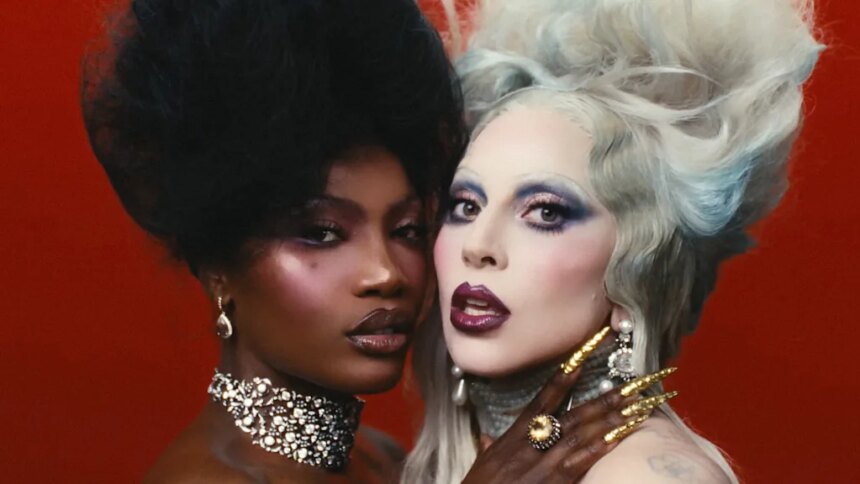

In the music video for “Runway,” Lady Gaga’s collaboration with Doechii for The Devil Wears Prada 2 soundtrack, the wardrobes are high fashion and the musicians and their dancers serve, pose, and vogue. Colorful and camp, it’s everything you’d expect considering the subject matter of the song is about turning dance floors into runways.
For some viewers, though, it just looks like a Target commercial.
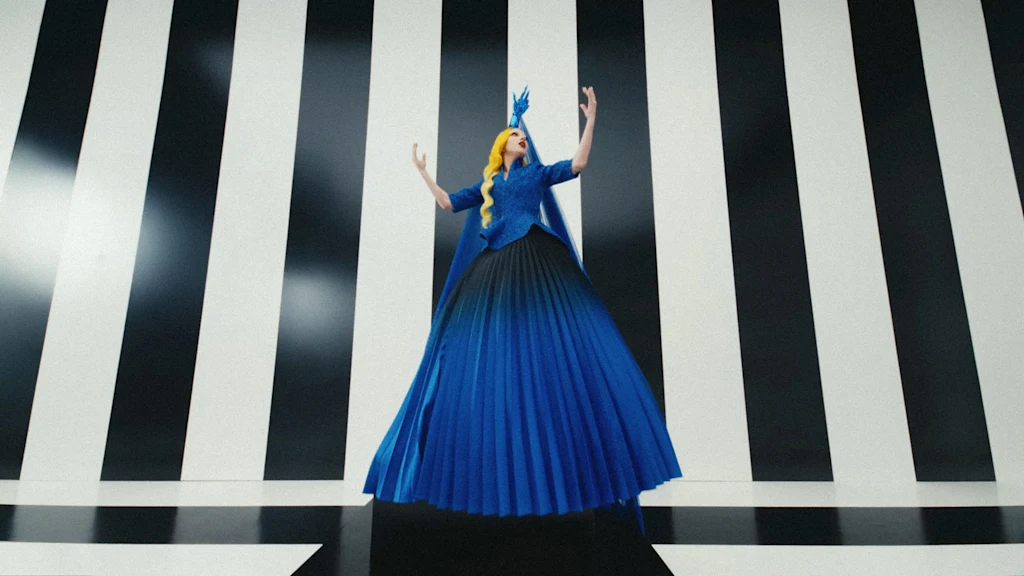
The post activity for Popcrave’s tweet about the “Runway” music video is filled with commenters pejoratively comparing the clip to a Target ad. It’s not hard to see why. Swap out the black-and-white lines on the video’s main set with red-and-white circles, and it looks like a spot for a deluxe edition of the soundtrack with three exclusive tracks available only at Target.
The retail giant became a popular music video producer thanks to its star-studded commercials promoting Target Exclusive albums for artists like Beyoncé, Christina Aguilera, and Taylor Swift in the 2000s and ’10s. Target raised the stakes with live commercials filmed during awards shows beginning with Imagine Dragons during the 2015 Grammys.
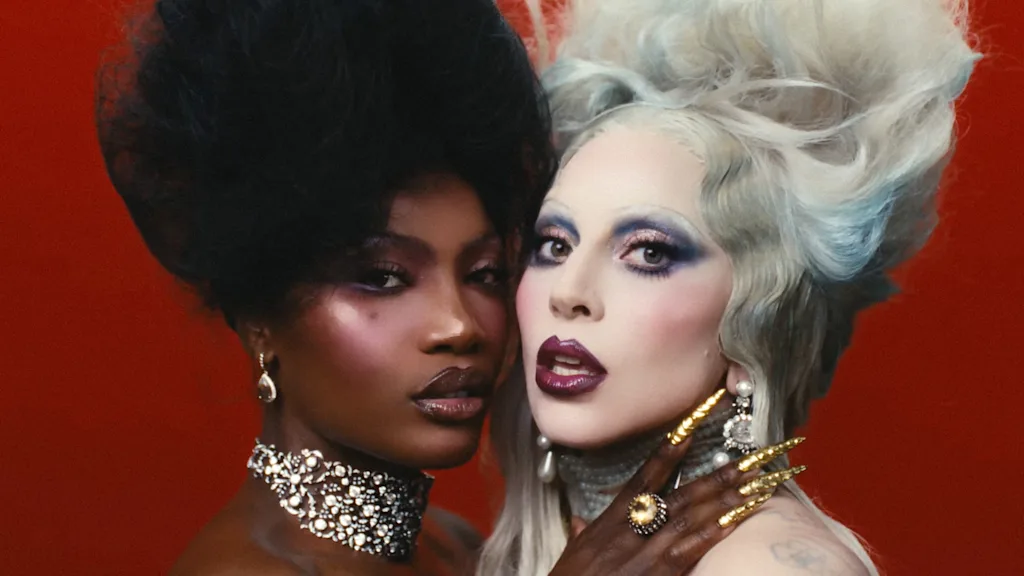
The creative partnership was mutually beneficial. The format of Target’s commercials gave musicians the freedom to express themselves and their latest album eras. The ads also provided a promotional platform they weren’t getting at other big-box retailers like Walmart—but used to get from, say, iPod ads.
Meanwhile, Target’s visual brand elements, like its logo and distinctive red color, would inevitably be embedded in the music videos’ sets. Secondary visual features, like high-contrast set pieces or graphic black-and-white stripes in Gwen Stefani’s live commercial music video for her 2016 song “Make Me Like You” became shorthand for the Target brand world, too. And that brand affiliation strategy drove traffic to its physical music aisles at a time when digital downloads still reigned supreme. It also gave the retailer pop cultural cachet.
Target still sells exclusive albums, but it doesn’t promote them like it once did, with commercials that had hi-fi, bespoke choreography and expensive, live awards show ad time.
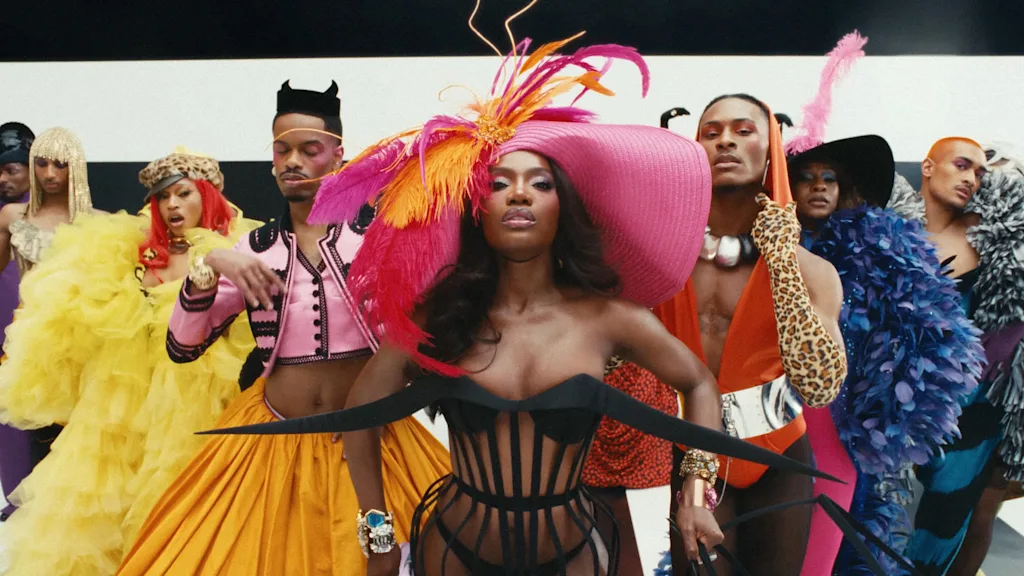
While Gaga has released Target Exclusives for her albums Mayhem and Chromatica, she’s never filmed her own Target commercial. But the “Runway” video, directed by choreographer Parris Goebel (who codirected “Abracadabra”), lets us imagine. The creative direction and set design is graphic, high-contrast, colorful, and theatric—in other words, it’s Target-coded. And the dancing is like an episode of RuPaul’s Drag Race, with each dancer attempting to outdo the last: performance as competition.
While detractors claim the “Runway” video is a visual retread, others find its extravagance fitting and see the fashion-forward focus as avant-garde and fun. For what it’s worth, the 2010s homage in the music video seems intentional: Gaga pairs a bright-blue Robert Wun dress and matching headpiece with a bright-yellow wig that recalls 2010’s iconic “Telephone” video, for instance. That callback’s not reductive, it’s a reference.
And if there’s another reason the music video feels like a throwback, it’s that corporate Pride has fallen out of vogue. “Runway” might look like a Target commercial, but Target wouldn’t do a commercial like that now. (Gaga, however, totally would.)
For any criticism the “Runway” music video has gotten, it’s done its job. After all, this is the music video for the lead single to a soundtrack of a sequel to a 20-year-old film. Of course it’s going to feel nostalgic.

