





The Centers for Disease Control and Prevention (CDC) has reported a Salmonella outbreak in more than a dozen states. Worse, the outbreak appears to be linked to a strain of the bacterium that may be resistant to antibiotics.
Here’s what you need to know about the source of the outbreak, where its occuring, and what you can do about it.
What’s happened?
On April 23, the CDC posted an update regarding its ongoing investigation into a multistate outbreak of Salmonella infections. The outbreak is believed to be linked to backyard poultry, such as ducks and chickens.
The first reported infection linked to the outbreak is believed to have occurred on February 26, affecting one individual.
But since then, dozens of other infections have been reported. Currently, the CDC says that it has confirmed 34 cases in the outbreak, which has now spread to 13 states.
The outbreak involves the Salmonella Saintpaul strain of the bacterium. Unfortunately, upon whole-genome sequencing (WGS) of samples collected from those infected, all cases showed resistance to fosfomycin, an antibiotic commonly used to treat Salmonella infections.
Samples from an additional eight people showed resistance to other antibiotics, including chloramphenicol, streptomycin, sulfisoxazole, and tetracycline.
Nearly 80% of the affected individuals reported having contact with backyard poultry before becoming sick.
The CDC then sampled some backyard poultry and found that it carried the same strain of Salmonella that was making the people sick.
How many people have been infected?
As of its April 23 update, the CDC confirmed 34 cases linked to the outbreak. Of those 34 cases, 13 people required hospitalization. Fortunately, no deaths have been reported.
However, the CDC notes that the actual number of people infected in the outbreak may be much higher.
This is because it can take three to four weeks for health officials to determine if a Salmonella infection is part of the outbreak. Additionally, many people become ill with Salmonella and recover without ever seeking medical care.
Where is the outbreak happening?
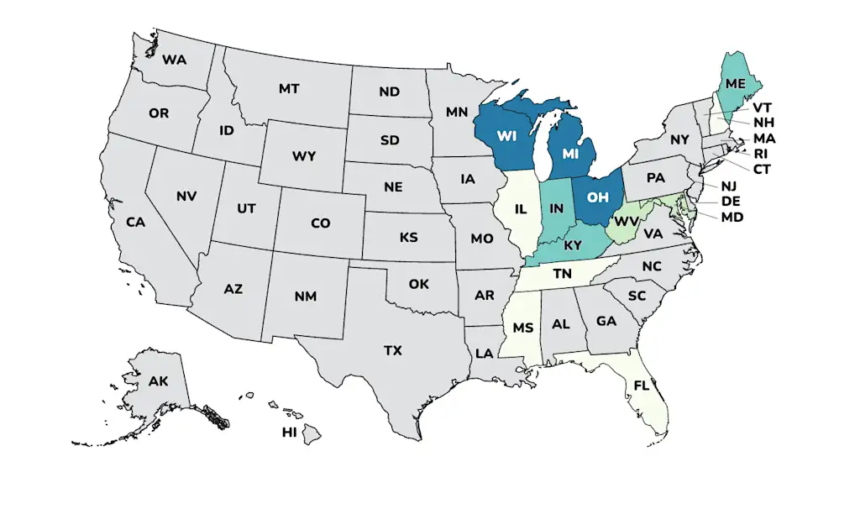
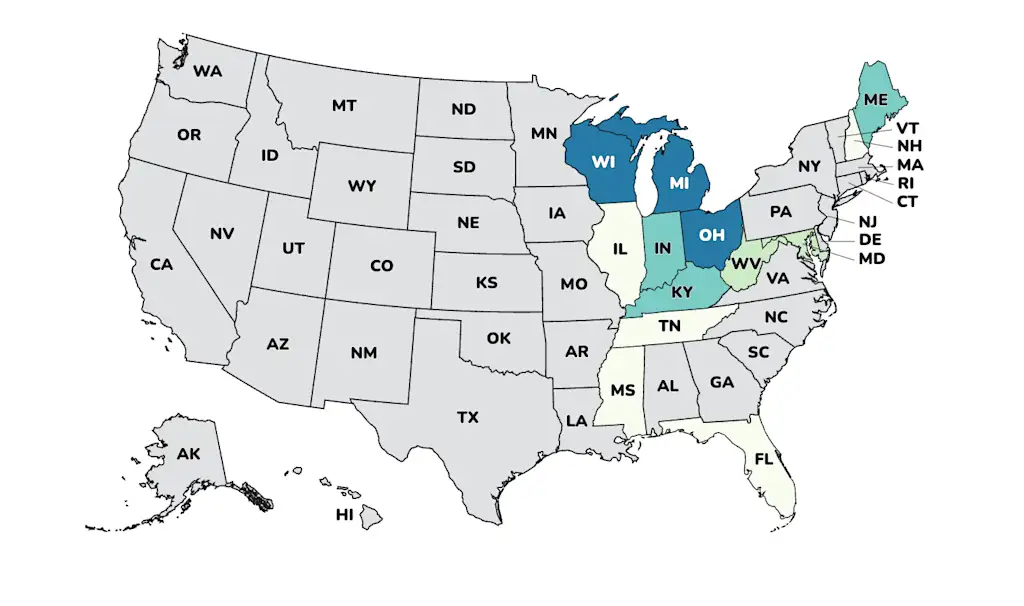
The CDC has published a map of where cases linked to the outbreak have occurred. As of the agency’s latest update, the outbreak has been confirmed in 13 states.
That map shows that the majority of the outbreak is currently centered in the Midwest. Michigan has the highest number of known cases, at six, while Ohio and Wisconsin have each reported five cases.
The distribution of cases across the reported states is as follows:
- Florida: 1
- Illinois: 1
- Indiana: 3
- Kentucky: 3
- Maine: 3
- Maryland: 2
- Michigan: 6
- Mississippi: 1
- New Hampshire: 1
- Ohio: 5
- Tennessee: 1
- West Virginia: 2
- Wisconsin: 5
What are the symptoms of Salmonella?
According to the CDC, most people who contract a Salmonella infection present with the following symptoms:
- Watery diarrhea that might have blood or mucus
- Stomach cramps that can be severe
Additionally, the agency says people may present with other symptoms, including:
- Headache
- Nausea
- Vomiting
- Loss of appetite (not feeling hungry)
Symptoms can start anywhere from six hours to six days after the initial infection and usually continue for four days to a week.
What can I do to stay safe?
The CDC warns that you do not need direct contact with backyard poultry to contract a Salmonella infection.
While direct contact is one of the primary ways to contract an infection, it can also be contracted simply by touching objects in the birds’ environment, such as feed or cages. The same is also true for clothing that enters their environment, such as shoes.
The CDC says preventive measures include washing your hands for 20 seconds after coming into contact with birds, their eggs, or other supplies.
Additionally, you should not allow poultry into your house, where they could spread bacteria across your home’s surfaces. The agency recommends using a dedicated pair of footwear when operating inside the birds’ coop, and not wearing those shoes or boots in your house.

