






The Centers for Disease Control and Prevention (CDC) has updated the public on ongoing Salmonella outbreaks linked to backyard poultry.
Unfortunately, the outbreaks have continued to spread and have now infected nearly 200 individuals in 31 states, with children making up an alarming number of cases. Here’s what you need to know.
What’s happened?
As Fast Company previously reported, the CDC in April warned the public about a concerning Salmonella outbreak that had then spread to 13 states. The outbreak was alarming because those infected with Salmonella were found to have strains of the bacterium resistant to fosfomycin, a drug commonly used to treat the infection.
Additionally, strains of the bacterium linked to the outbreak were found to be resistant to other commonly used antibiotics, too.
At the time, the CDC said the outbreak—believed to be caused by contact with outdoor poultry, such as ducks and chickens—had sickened 34 people, with 13 requiring hospitalization.
The agency also cautioned that the number of people infected was likely higher than the official figures suggested. This was because not everyone who becomes infected with Salmonella seeks care.
The CDC has now published a new update on its investigation, which it now says includes three Salmonella outbreaks. The results show cases have spread significantly.
How many people have been infected?
According to a May 14 update from the CDC, cases linked to the drug-resistant Salmonella outbreaks have climbed significantly since the agency’s last update just weeks earlier.
“The largest outbreak has an unusually high number of people reporting contact with ducks,” the CDC said in its update.
In its previous update, the CDC said 34 people had been sickened, and 13 had required hospitalization. Now those figures have soared.
As of yesterday’s update, the CDC has now confirmed that 184 individuals have been infected with Salmonella linked to the outbreaks.
The number of hospitalizations has also climbed too. Previously, 13 people had required hospitalization. Now the total number is 53—an increase of 40 people.
And unfortunately, the outbreaks have now claimed a fatality. The CDC says that one person from Washington state is confirmed to have died.
Just as alarming is the report that 25% of those infected in the outbreaks are children under 5 years old. Children under the age of 5 are particularly vulnerable to Salmonella infections because of their still-developing immune systems.
Where are the outbreaks happening?
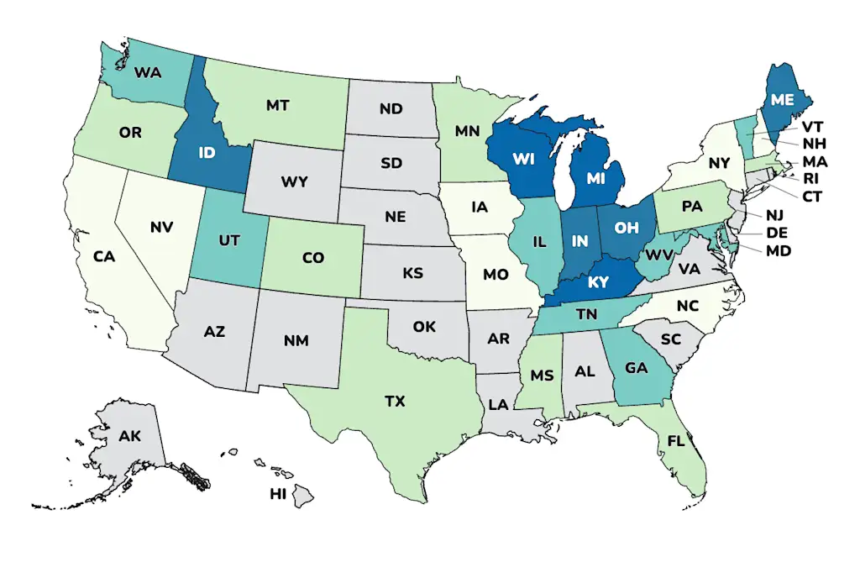
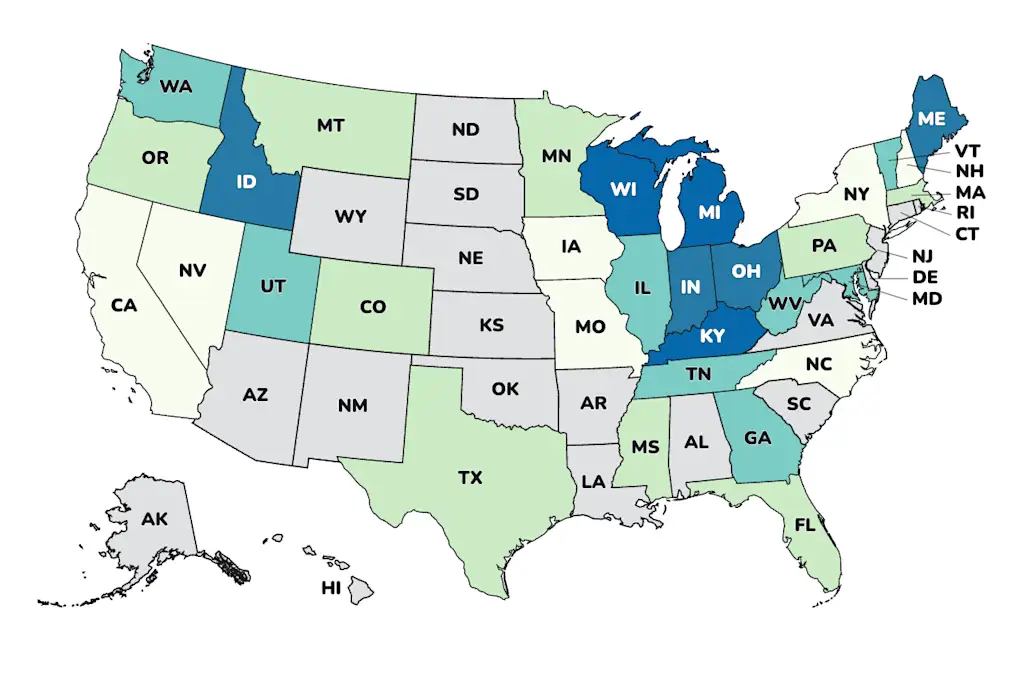
According to the CDC’s update, cases linked to the drug-resistant Salmonella outbreaks have now been confirmed in 31 states.
That’s a jump of 18 states since the CDC’s last update. Previously, the outbreaks were mainly limited to the Midwest and the Northwest, but now cases have spread to Texas and states along the Pacific coast.
Kentucky currently has the highest number of confirmed cases, at 22. Michigan is not far behind, at 21 confirmed cases. Washington, which has confirmed 9 cases so far, is the only state with a fatality.
Here are the states where cases have been confirmed, along with their number of cases as of the CDC’s May 14 update:
- California: 1
- Colorado: 3
- Florida: 3
- Georgia: 4
- Idaho: 10
- Illinois: 7
- Indiana: 10
- Iowa: 1
- Kentucky: 22
- Maine: 10
- Maryland: 6
- Massachusetts: 2
- Michigan: 21
- Minnesota: 3
- Mississippi: 2
- Missouri: 1
- Montana: 2
- Nevada: 1
- New Hampshire: 1
- New York: 1
- North Carolina: 1
- Ohio: 15
- Oregon: 3
- Pennsylvania: 2
- Tennessee: 4
- Texas: 3
- Utah: 5
- Vermont: 5
- Washington: 9
- West Virginia: 9
- Wisconsin: 17
The CDC has also included a map of the cases.
What are the symptoms of Salmonella?
The CDC says those infected with Salmonella can show the following common symptoms:
- Watery diarrhea that might have blood or mucus
- Stomach cramps that can be severe
The agency says that Salmonella infections may also cause additional symptoms, including:
- Headache
- Loss of appetite
- Nausea
- Vomiting
Symptoms can last anywhere from 4-7 days, and generally appear within 6 hours to 6 days after infection.
What can I do to stay safe?
In its May 14 update, the CDC says that those who come into contact with backyard poultry or are around their grounds or supplies should be careful to:
- Wash your hands with soap and water for at least 20 seconds
- Don’t wear the shoes you wear in the birds’ environment inside your own house
- Don’t let the birds or the supplies you use in their care inside your house
- Don’t let children younger than 5 touch the birds or interact with the area the birds are in
While Salmonella infections can be contracted by anyone, children younger than 5, people with weakened immune systems, and people aged 65 or older are more likely to experience severe illness.

