




Your four-year-old needs a bike. The cheap ones from a big box store will work, sure—but they’ll be heavy, clunky, and harder for them to learn on. The premium Woom bike weighs half as much—but it costs $400. You want the best for your kid, but do you want to drop that much for something they’ll use for a few months?
With a bit of internet sleuthing, you might come across an alternative. There’s a 50,000-person Facebook group devoted entirely to buying, selling, and trading used Woom bikes across the United States. And the brand noticed this group bubbling up.
But Facebook Marketplace has limitations—transactions aren’t always secure, and buyers can’t easily search for specific models in their area. So the company has just launched its own resale platform on its website (it’s currently building up inventory). “Now you have a trusted way to feel comfortable,” says Lindsey Markus-Yosha, Woom’s head of marketing. “This is a way to have it backed by the brand and really showcase that long-term value of our bikes.”
Woom is part of a broader trend. Over the last few years, parents have realized that they don’t need to choose between cheap, low-quality products and pricey, high-end products for their kids. Instead, 60% of American parents are now buying secondhand goods. The kids and baby resale market is projected to hit $12.8 billion by 2030, up from $7 billion in 2021.
Now, premium brands like Woom want a piece of the action. It would be too costly and labor intensive to build a secondhand program themselves, so they’re partnering with Archive, a company with expertise in helping brands get resale up and running quickly. Archive has been focused on the children’s market, launching secondhand sites for the toy brand Lovevery and the clothing label Hanna Andersson. With each brand, the ultimate goal is to make resale a revenue driver.
In the past, many brands saw secondhand as a threat to their business. Today, there’s a growing sense that it’s a gold mine to be claimed.
The Infrastructure Problem
Ryan Rowe started Archive in 2020 with cofounder Emily Blumenthal with the goal of creating a better system. Many eco-friendly brands wanted to launch their own secondhand programs, but it was prohibitively expensive to build the resale websites and infrastructure needed.
“Only the biggest brands who had some very specific sustainability mission around it were able to enter the resale space,” Rowe explains, referring to labels like Patagonia and Eileen Fisher. “For everybody else, it was a very cost-intensive thing to do.”
Archive’s business model was simple: make resale accessible to more brands by driving down costs through scale and offering flexibility. Their first customer was M.M.LaFleur, a women’s workwear brand. But the kids’ category quickly became a sweet spot. Children outgrow everything, parents hate waste, and quality products hold value even after multiple kids have used them.
The company now offers three distinct models. For Woom, it’s peer to peer: Parents list their used bikes, other parents buy them locally, and the brand facilitates the transaction. Bikes are bulky and expensive to ship, but parents are willing to drive 20 minutes to save $200 on a premium product.
For other brands, Archive handles logistics. They collect returned inventory, inspect it, photograph it, and manage the entire resale storefront. “Our goal is to make it happen at scale,” Rowe says.
When Archive processes resale for dozens of brands at once, the pretransaction cost drops dramatically. They’ve built the infrastructure—warehouses, inspection protocols, pricing algorithms, customer service systems—that would cost a single brand millions to develop alone.
But what makes Archive’s approach truly scalable is that profitability isn’t an afterthought. For years, brand resale existed primarily as a sustainability initiative—companies would launch programs knowing they’d lose money. But sustainability programs that don’t generate revenue get cut when budgets tighten, making it harder for resale to scale.
“This is our reason for being at Archive—to displace fast fashion,” Rowe says. “If you spend $50 on a used item that cost $120 new versus a brand new item that cost $50, you can experience the difference in quality and you’re won over.”
Making Money on Hand Me Downs
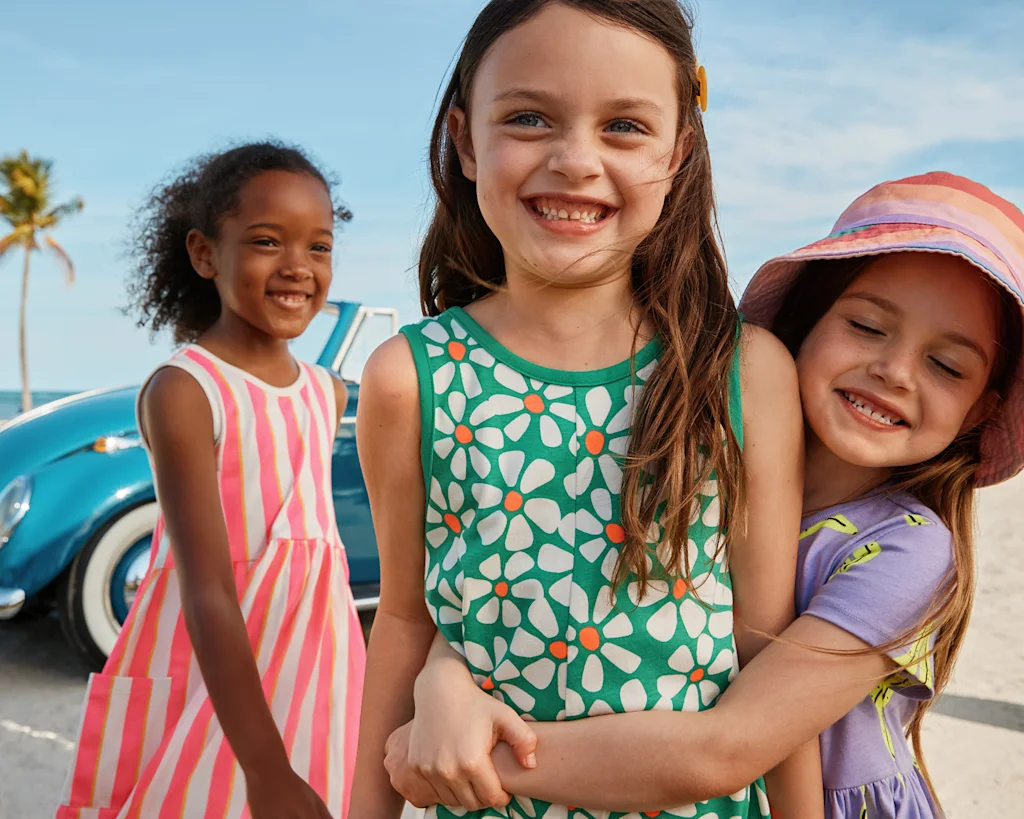
For children’s clothing brands, the resale math gets tricky fast. Hanna Andersson had been talking about resale for over a decade. Kara Carter, the company’s head of product, had been seeing customers passing down pieces through siblings or selling them at local consignment shops. The brand’s durability and “room to grow” sizing meant items held up beautifully through multiple kids.
But when it came to launching their own program, the numbers were brutal. A Hanna Andersson dress retails for $40 to $50. After a kid wears it, it might resell for $15 to $20. It’s impossible to build a profitable business around collecting, inspecting, cleaning, photographing, storing, shipping, and providing customer service for that $15 transaction.
“If you’re reselling like a $200 coat, there’s enough dollars in there to still make money if you’re selling it half-off secondhand,” Carter explains. “But for us, it’s harder to make it make sense.”
When Hanna Andersson’s team came across Archive’s peer-to-peer program, it was a breakthrough. By stepping out of the middleman role, Hanna Andersson could offer resale without drowning in overhead. The program, called Hanna-Me-Down, lets sellers post clothes on Hanna Andersson’s website; when someone buys, they send the product directly to the buyer. Sellers get 70% of the sale price in cash, or 100% in gift card credit toward new purchases.
Over 80% choose the gift card. And those customers spend two to three times as much as the credit value at the core brand. The resale program has generated more revenue on Hanna Andersson’s main website and brought in new customers. Baby customers especially use Hanna-Me-Down as a test drive to see if the quality lives up to the reputation before committing to full retail prices.
Finding Hidden Customers
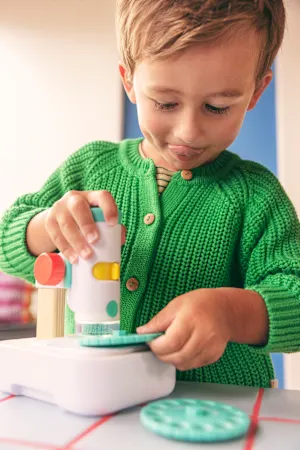
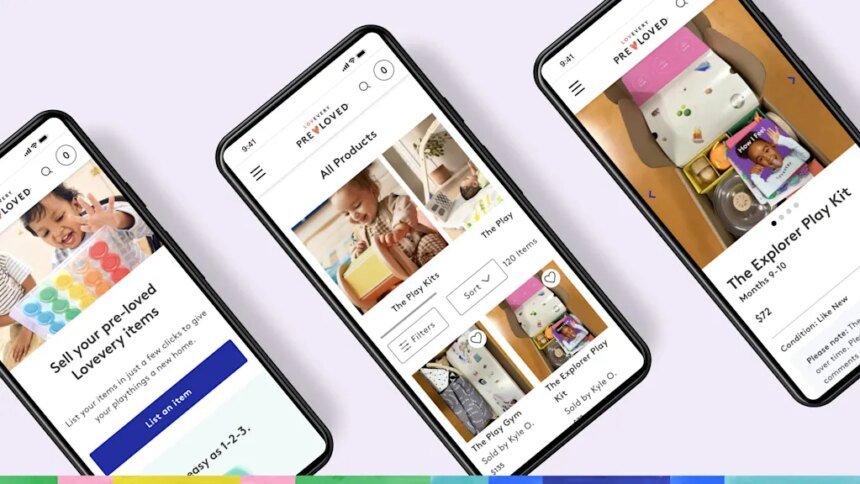
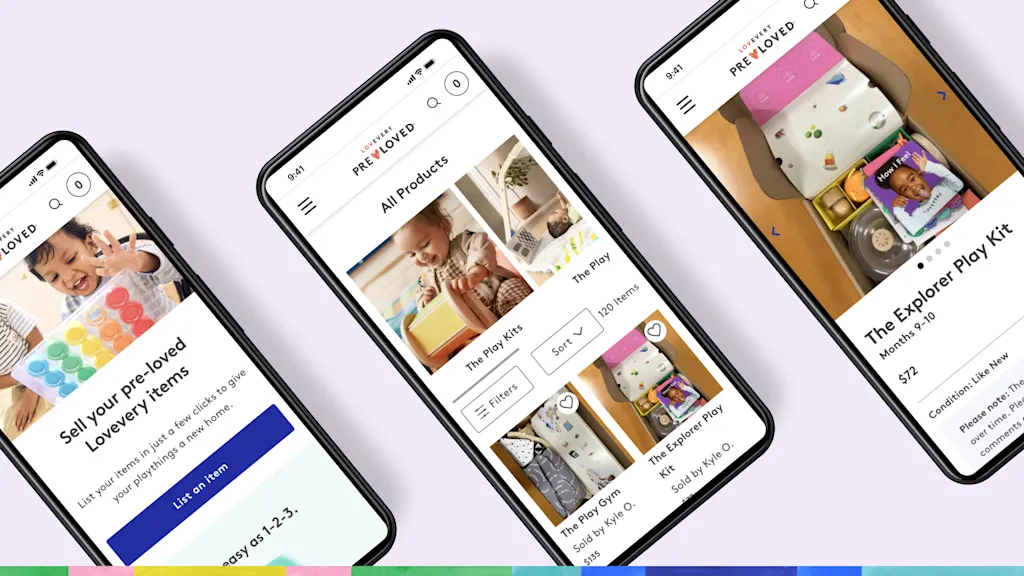
For Lovevery, the financial equation works differently but the principle is the same: Resale has to make business sense, not just environmental sense. Lovevery makes premium educational play kits designed around specific developmental stages, with price points ranging from $80 to $200.
Cofounder Roderick Morris and his team always knew their products were durable, but didn’t realize just how much secondhand circulation was already happening without them.
Lovevery had around 600,000 paying customers but over 5 million social media followers. Morris wanted to understand this massive gap, so the company toured homes of people who followed Lovevery on social media but had never bought anything directly. “Pretty much all these homes we visited had secondhand Lovevery products in them, purchased from Facebook Marketplace or consignment shops, that were very well loved and well used,” Morris recalls.
This was a big miss because these parents didn’t have access to the emails that show parents how to use toys at different developmental stages, nor could they learn about complementary Lovevery products.
Since Lovevery’s pre-loved marketplace launched in 2024, it has generated upwards of 54,000 visits. Over 10 months, sellers listed 21,000 units, with around 1,600 selling monthly. Most importantly, 58% of visitors to the resale site were new to Lovevery’s customer database.
Customer acquisition costs in e-commerce can run $50 to $200 per customer depending on the category. Resale brings people in at a fraction of that cost.
Woom Joins the Party
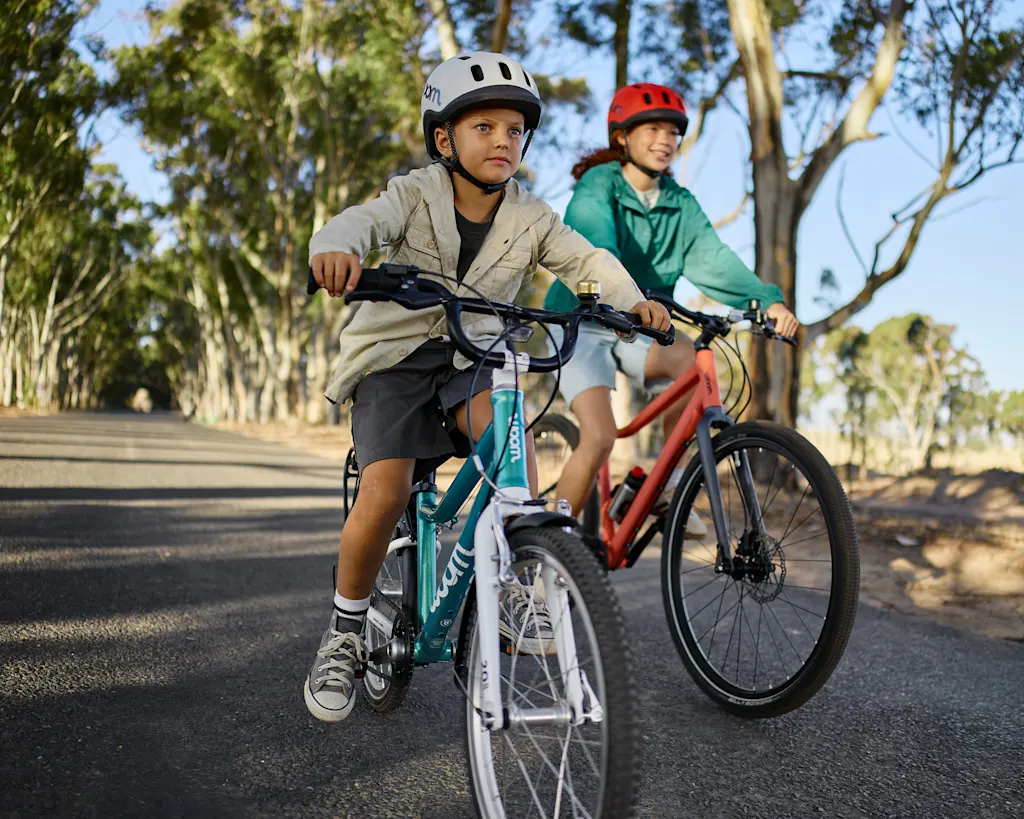
For Woom, the newly launched resale program is a bet on replicating what other children’s brands have already done. Like Hanna Andersson, Woom is offering sellers the choice between cash or higher-value credit toward their next purchase—betting that most will choose credit and then spend even more. Like Lovevery, they’re hoping to convert the massive audience already using their products secondhand into direct customers who stay in their ecosystem as kids grow.
“It aligns with our brand values of supporting sustainability and driving that long-term customer loyalty,” says Markus-Yosha, the marketing head. And yes, she confirms, “it’s certainly a revenue driver as well.”
For years, brands worried that resale would cannibalize new sales. The data from Archive’s kids’ programs suggests the opposite: When done right, secondhand becomes a customer acquisition channel and a loyalty driver. Parents who start with a used bike might come back for a new one when their second child is ready.
“There is a day that will come where people can land on a brand’s website and hunt for where’s the resale link,” predicts Rowe at Archive. For children’s products, where quality matters but lifespans are short, that day might not be far off.

