



First there was nutrient timing, then proteinmaxxing—now, fibermaxxing is the latest viral wellness trend everyone is talking about.
On TikTok, social media influencers can be seen extolling the virtues of fiber (hashtag #fibermaxxing). One such influencer is @shanny_do, a self-proclaimed “fiber-obsessed gastroenterologist,” who posted with gusto about what she packs each day for work at the hospital. (For the curious, that’s a bowl that includes: Ethiopian spicy lentils, some plain black beans straight from the can, baba ganoush and carrots; a second small bowl of berries—black, blue and raspberries; a Z bar—a kid’s protein snack bar made of oats—and an apple.)
And it’s not just your health that’s impacted by fibermaxxing. What’s trending on social media isn’t just a fad, it’s big business: Wellness is a $6.3 trillion global industry, one that’s forecast to hit $9 trillion by 2028, according to the Global Wellness Institute.
Here’s what to know about the latest trend.
What is fibermaxxing?
In short, fibermaxxing is exactly what it sounds like—eating a high amount of fiber at every meal, throughout the day.
That’s as the Department of Health and Human Services recommends 25 grams for women, 38 for men a day.
Most Americans, however, are woefully fiber deficient, with 95%, failing to consume the recommended amount, instead averaging a mere 16 grams daily. The recent popularity of gluten-free products, along with fiber-and-nutrient poor cereals and breads has only made that problem worse.
Why do I need fiber?
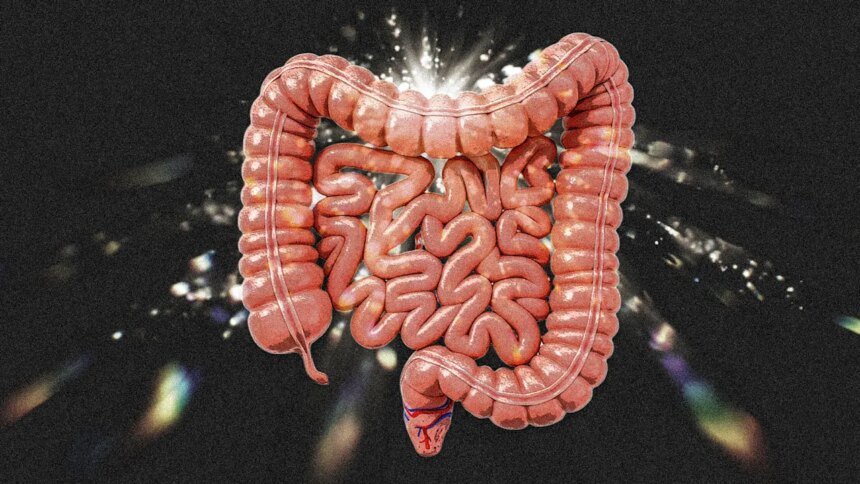
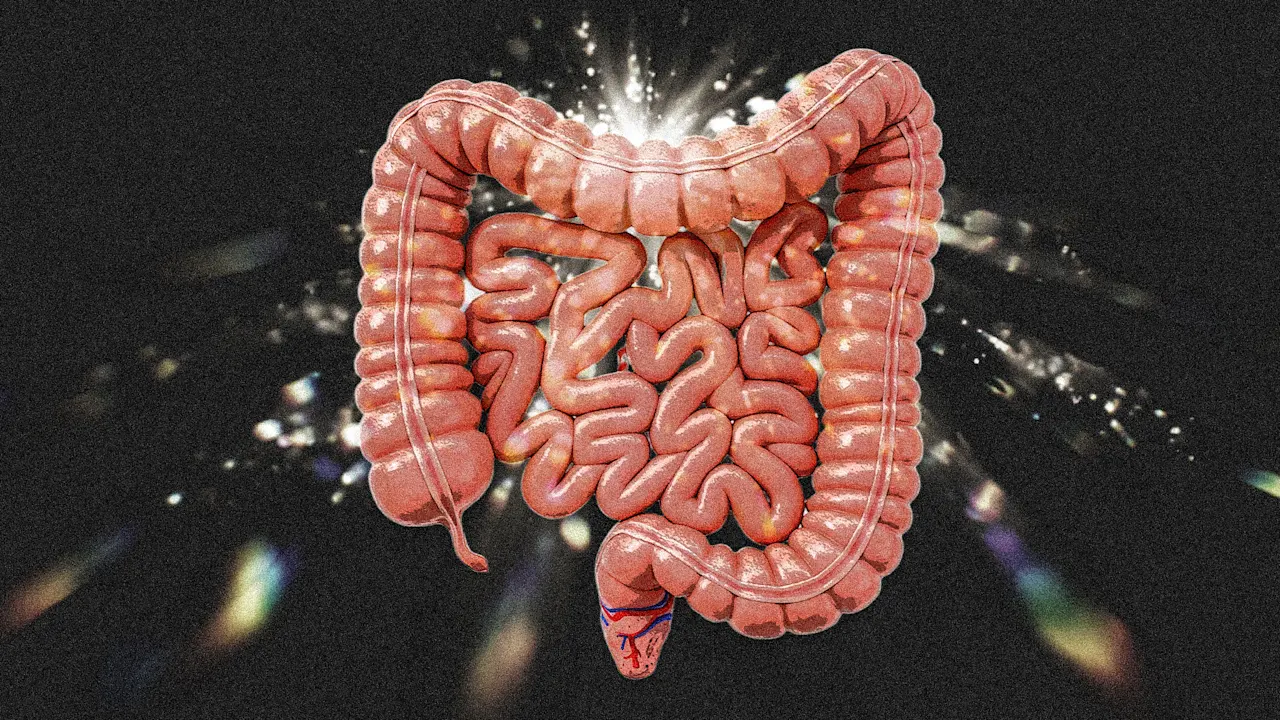
“Fiber is a type of carbohydrate that’s beneficial for gut health,” Monica Kelly, associate health and wellbeing manager at Montefiore Einstein, explains.
Consuming enough fiber not only helps regulate weight, but also “reduces your risk of cardiovascular disease, type two diabetes, [and] lowers your risk for certain types of cancer, especially colorectal cancer,” says Hannah Holscher, a professor of nutrition at the University of Illinois Urbana-Champaign.
There are two types of fiber, soluble and insoluble. Each helps maintain our health in different ways.
The former helps to regulate blood sugar, lower cholesterol levels, and reduce the risk of heart disease; while insoluble fiber helps regulate bowl movements, removing bodily waste and and preventing constipation, according to a Harvard Medical School article.
Soluble fiber is in fruits, vegetables, beans, and seeds. Insoluble fiber is what we traditionally think of as fiber—foods like oats, whole grains, and some fruits.
What should I eat if I want to consume more fiber?
Soluble fiber is found in beans (black and lima), broccoli, Brussels sprouts, apples and carrots.
To eat more insoluble fiber, try potatoes, whole wheat flour, wheat bran—plus brown rice, nuts and seeds, according to UCLA Health.

