





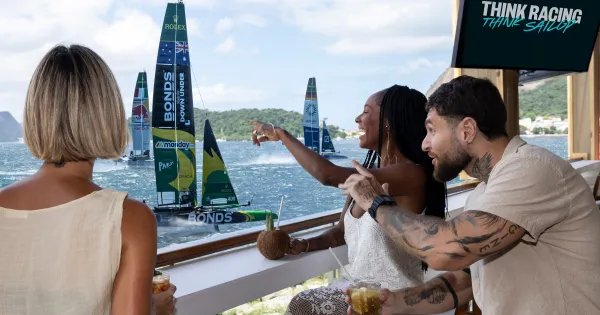

We’re living through one of the most fragmented periods in media and cultural history, and because of that, people are returning to real‑world experiences with more desire, emotion, and urgency than ever before.
In a world where everything can be watched on delay, FOMO has taken on a deeper meaning.
From stadiums to concerts to brand pop‑ups, fans want to do more than see it. They want to experience it for themselves in real-time.
This is especially visible in sport, where global sporting attendance has surpassed pre-pandemic demand.
The live fan experience—the emotions, atmosphere, and cultural layers—have gone from being add-ons to becoming part of the core offering.
At The Masters, fans didn’t just want to watch Rory McIlroy defend his title, they wanted to be part of the historic moment, from the immaculate course, the rituals, and the green-jacket ceremony—all of which create exclusivity and occasion. That experience is what makes Augusta a cultural moment that extends beyond its world-class golf.
The organizations that win next won’t be the loudest ones, but the ones who can reimagine consumer experiences by blending sport, entertainment, hospitality, technology, and community into something that feels less like an event and more like stepping into a new world.
David Ogilvy once said: “If you can’t be brilliant, at least be memorable.”
In the live experience revival, memorability is the ultimate differentiator. People don’t return for functional experiences alone, they return for emotional ones.
And this shift isn’t confined to sport. Luxury brands are building pop‑ups that feel like temporary universes. Ralph Lauren, Dior, and Rhode are just a few of many who are turning stores into experiences, galleries, and social spaces. Music artists are designing tours that live as cultural moments, not concerts.
The common thread? People want experiences that feel intentional, entertaining, and worth their time.
AI will undoubtedly play a role in this evolution. It will help personalize journeys, anticipate needs and remove friction. However, it will still be the human moments that people remember—the arrival, the atmosphere, the unexpected interaction and the shared emotions—none of which can be automated.
Memories and moments have become the most valuable currency in modern fandom. They’re what people talk about, post about and return for.
For CMOs, this creates both an opportunity and a challenge. The opportunity is to design experiences that deepen emotional connection and unlock new forms of loyalty. The challenge is that this requires a different mindset—one that prioritizes meaning and creativity, resonance over reach, and long‑term brand equity over short‑term optimization.

