



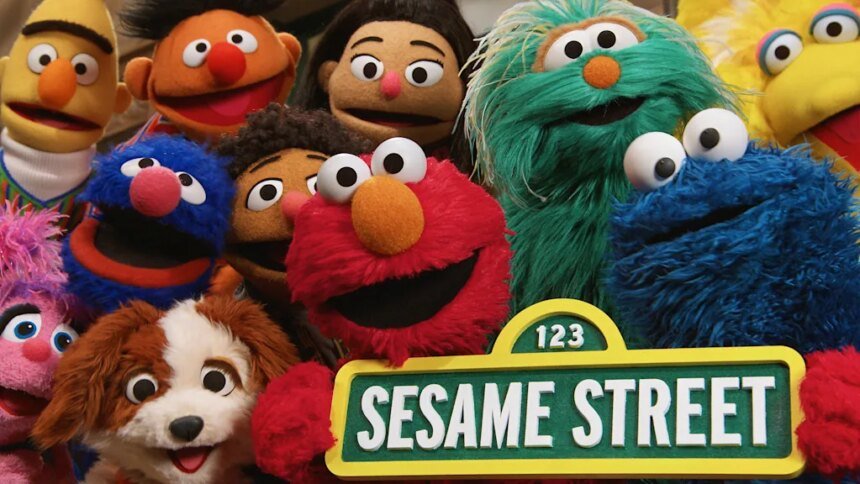

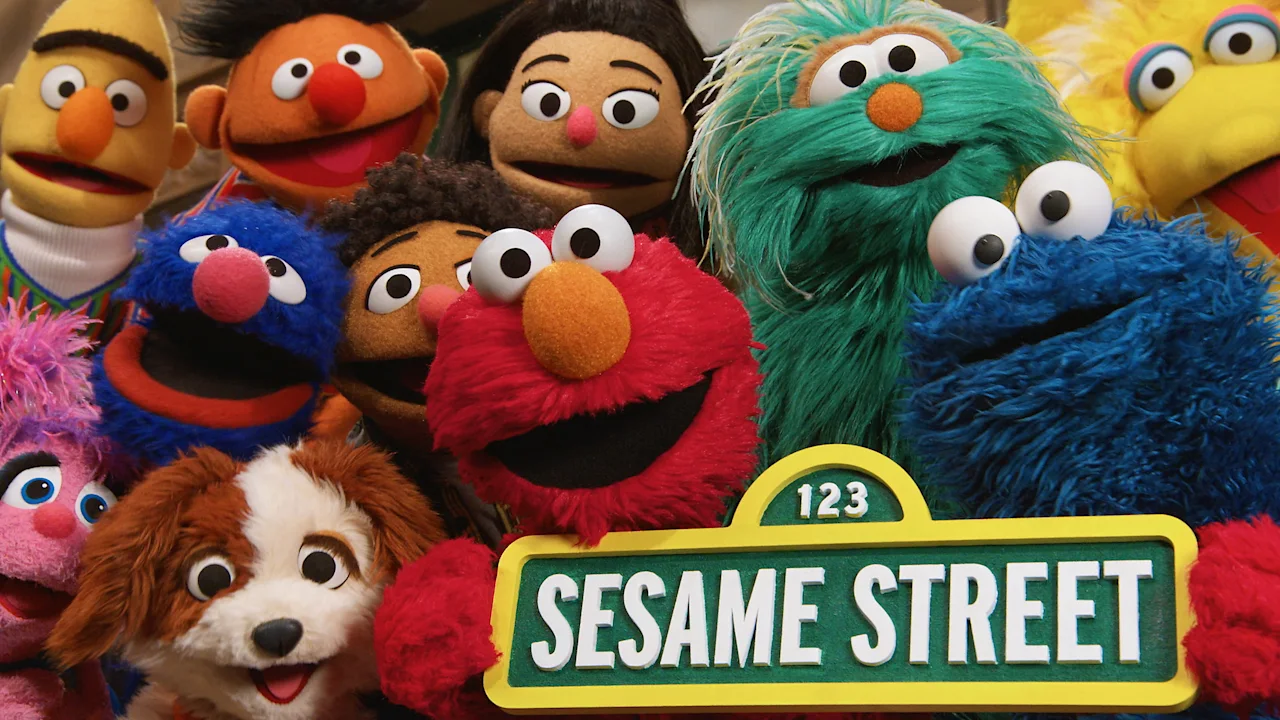
As Sesame Street’s 56th season gets underway, Elmo, Big Bird, and the Sesame organization are navigating a volatile chapter in the show’s history—marked by government funding cuts, evolving new media habits, and AI’s impact on education. Sherrie Westin, CEO of Sesame Workshop, discusses balancing risk-taking with brand trust, partnering with Netflix, and why emotional well-being and kindness are the skills that matter most in today’s world.
This is an abridged transcript of an interview from Rapid Response, hosted by former Fast Company editor-in-chief Robert Safian. From the team behind the Masters of Scale podcast, Rapid Response features candid conversations with today’s top business leaders navigating real-time challenges. Subscribe to Rapid Response wherever you get your podcasts to ensure you never miss an episode.
Sesame Street’s new season appears on Netflix on the same day as it goes live on PBS Kids. Last year at this time you were on HBO or Max or whatever they were calling it at that point.
Right. At that time, yes.
HBO dropped the show. Netflix came in. It’s a head-spinning situation. Was this all by design on your end?
Well, listen, I mean it all worked out really well. . . . We announced it as a public-private partnership between Netflix and PBS because it was so important that we not only got the incredible reach that Netflix offers, but also that we were still available for all children across the U.S. on PBS. And it’s fantastic that it’s the same time, day, and date, but that part was by design, for sure. And listen, we had a long partnership with HBO.
We still have a library deal so that there are still some seasons on HBO Max, but HBO Max was clear that children’s was not their priority. So we don’t take it personally, and we still have a great relationship, but Netflix is such a great place for us to be. As of today, we are reaching children in 190 countries. That’s 330 million households in over 30 languages, and it’s the first time in 56 years that we’re reaching this many children all over the world. So that is something to celebrate.
And so even though Netflix, as I understand this, maybe paying you a little less than that HBO deal.
Yes.
It’s a good trade-off because your reach is so much broader?
Well, listen, most people don’t understand that we’re a nonprofit mission-driven organization, so while we desperately need the funding, at the same time the most important thing is our reach because we have to reach to teach.
Did you consider moving everything to Netflix? I mean, I imagine you might get a more lucrative deal from Netflix if it was exclusive and the financing being what it is.
No . . . Netflix was great. They understood how important it was for us to be on PBS, to reach all children across the country, whether or not they can afford a streaming platform. So that’s just part of our mission and our DNA.
You mentioned your long relationship with PBS. It’s been a wild year, this wave of government funding cuts. The Corporation for Public Broadcasting and PBS, you had to lay off 20% of your staff. How hard has it become this year?
I don’t ever remember a more difficult, more challenging year than this past year. There were some really difficult decisions and periods. No one ever wants to have to lay off 20% of their staff. That’s one of the hardest things. Any organization, whether it’s for-profit or nonprofit. And again, a lot of organizations have had to deal with downsizing, or rightsizing, if you will. But it has been a really challenging year.
I’ve talked to someone about this, how, in some ways, public media has just become media because the support from the public sector isn’t quite there anymore. At the same time, there was that Congressional hearing back in the spring with PBS with this title, like, “Anti-American Airwaves.” I mean, I’m curious how you address that mood, that climate, with your team when your partner is being, I don’t know, politicized in that way?
(Safian is referring to the House subcommittee on government efficiency hearing in March titled “Anti-American Airwaves: Holding the Heads of NPR and PBS Accountable,” chaired by Republican Representative Marjorie Taylor Greene of Georgia.)
The hardest thing is there is such value in public broadcasting, and we find it so painful to have lost the CPB. I think the biggest tragedy is to see some children no longer have access to public broadcasting or the quality early education that PBS has always brought, of course including Sesame Street.
You don’t feel like any of this has hampered Sesame Street’s own brand by its relationship with these [Congressional hearings]?
No. I think, if anything, that it’s clear that the need for Sesame is greater than ever. And it’s true that we are part and parcel public broadcasting. So if you’re attacking PBS, you’re attacking Sesame Street. It’s true. But at the same time, I think that if there’s one silver lining to some of the negative press we’ve had throughout the year, it’s that so many people have stepped up to say, “We love Sesame.” We’ve actually gotten a wonderful outpouring of support from new donors and from people who just want to see Sesame Street remain.
Think about what we teach. Our mission is to help children everywhere grow smarter, stronger, and kinder. And that may sound like a clever tagline, but it’s not. It’s a whole child curriculum that’s baked into everything we do. Smarter: ABCs and 123s, the academic basics. Stronger: resilience, health. Kinder: empathy, understanding. . . . Our whole new season is about building community. It’s about kindness. If you use the vernacular of child development, it would be called a compassionate mindset. And that means helping children see themselves and others with kindness, with understanding, with non-judgment. So quite frankly, I think we are rising to meet the needs of the day.
I mean, Sesame’s never been shy about addressing tough topics, from diversity in the early days, the first HIV positive puppet, to Big Bird getting vaccinated during COVID. But things have become so polarized now, especially in the U.S. What kind of conversations do you have about where you can and can’t go and how you decide?
Well, we are a nonpartisan organization, but you are correct that there are an awful lot of issues today that one would never have thought of as being political that are political. And while we would never weigh in on very specific partisan politics, we have to stay true to our values. And are some things more controversial? Yes. But if you look at what we all have in common, it’s so interesting because we just did a road tour through the summer and the fall to visit children and families all across the country. But during this road trip, in all these various states, we had a couple of researchers on the ground.
And after the events, with everything from state fairs to Minor League Baseball, farm corn mazes, we would have staff saying, “Hello, I’m with Sesame Street. I’m asking parents of young children, would you be willing to talk to us a little bit about your children, about Sesame Street, about who do you trust most? What do you want for your children?”
And one of the things I just love about this is regardless of where we were, there was such a clear commonality. What do parents want for their children? They want them to be safe, healthy, and they want them to be kind and get along with others. I mean, that was so consistent. It came up again and again. To me, it’s hopeful and reassuring because when it does feel more divided than ever, you do realize that the one thing that unifies us is hope for our children and what we want for our children. And that’s where, I think, Sesame can play a powerful role.
There has been this decline in trust across everything.
Absolutely.
Media, public officials, business. Sesame remains still pretty well trusted.
We are still, if you do brand surveys, we are the No. 1 trusted brand in children’s properties. And that’s something we really cherish. I mean that’s very important to us. Everything we do is based on research. We are always listening to parents and experts. We have a whole team of child development experts, but any project we do, we’re also bringing in advisers and learning from the community.
We did an incredible amount of work around parental addiction because of the opioid crisis, working with partners on the ground to distribute those resources. Our emotional well-being work, again, we partner with organizations that are serving children and families, and often it’s the only content you’ll have that looks at those tough issues through the lens of a young child. And that’s something, again, that I think sets Sesame apart.
The final deadline for Fast Company’s World Changing Ideas Awards is Friday, December 12, at 11:59 p.m. PT. Apply today.

