






Key Takeaways
- Clickeez are toys that resemble mechanical computer keyboard keys and feature a satisfying “click” mechanism.
- The brand went from idea to market in about a year — much faster than the typical 18–21-month toy timeline.
- The company has sold more than 10 million Clickeez since its launch in mid-2025, and it’s projected to sell over 100 million by the end of the year.
A simple idea to turn an adult hobby into a kids’ toy has become one of the hottest toy launches of the past year. It’s Clickeez, a sensory toy that looks like a mechanical keyboard key, feels like a fidget, and doubles as a collectible — and is suddenly everywhere.
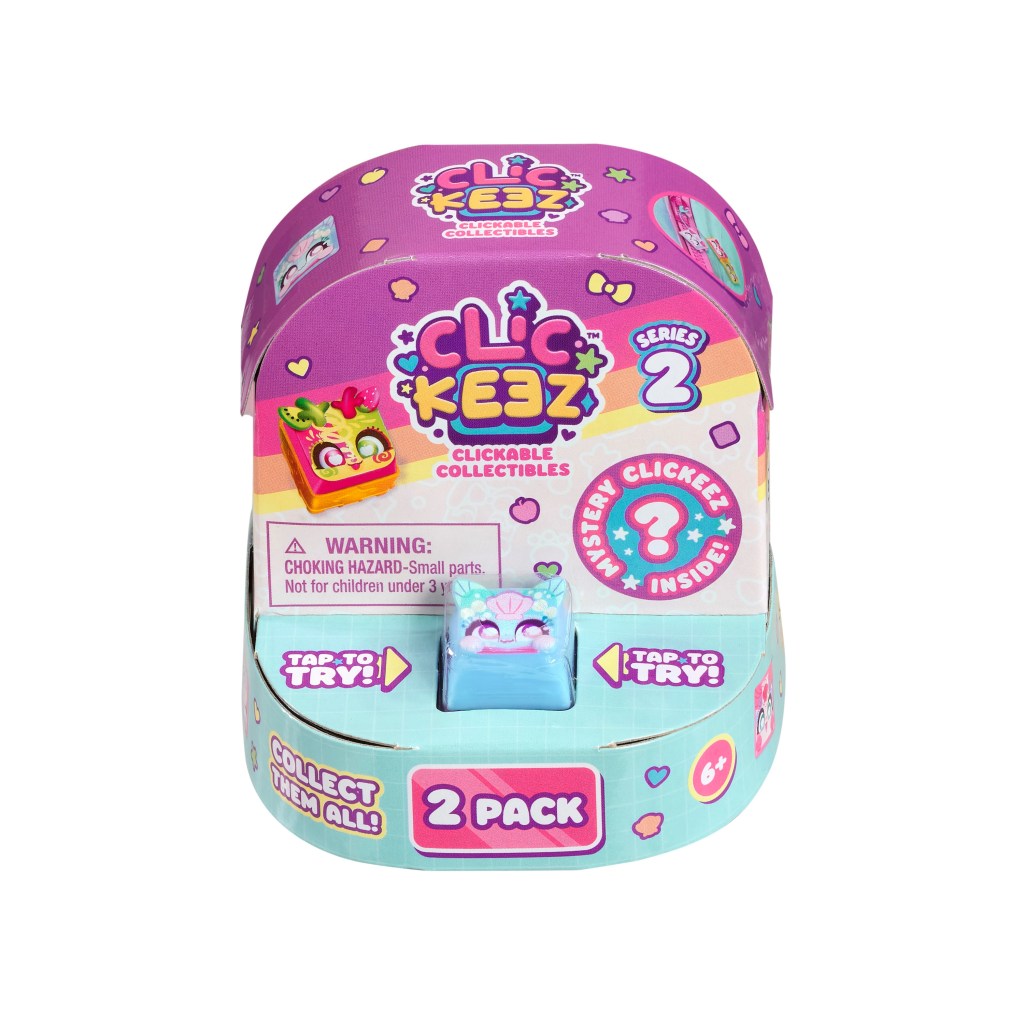
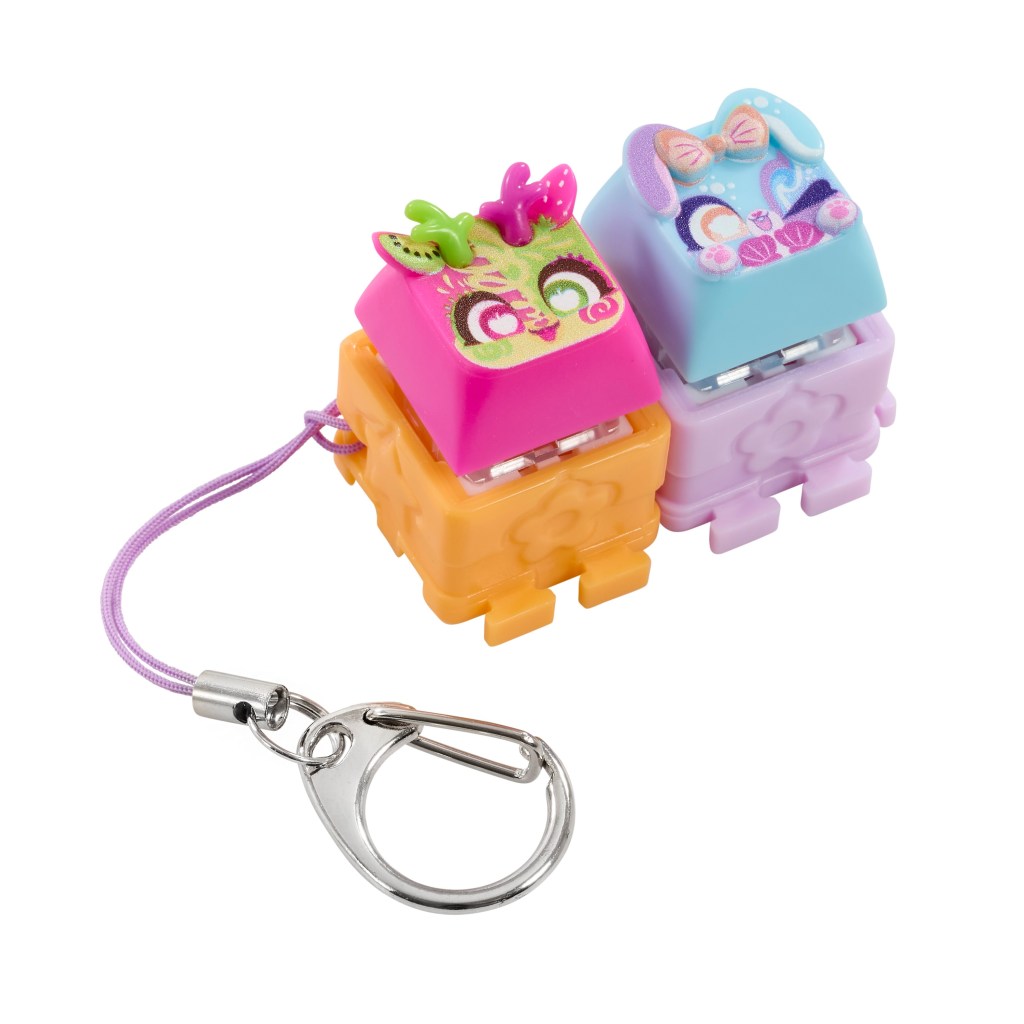
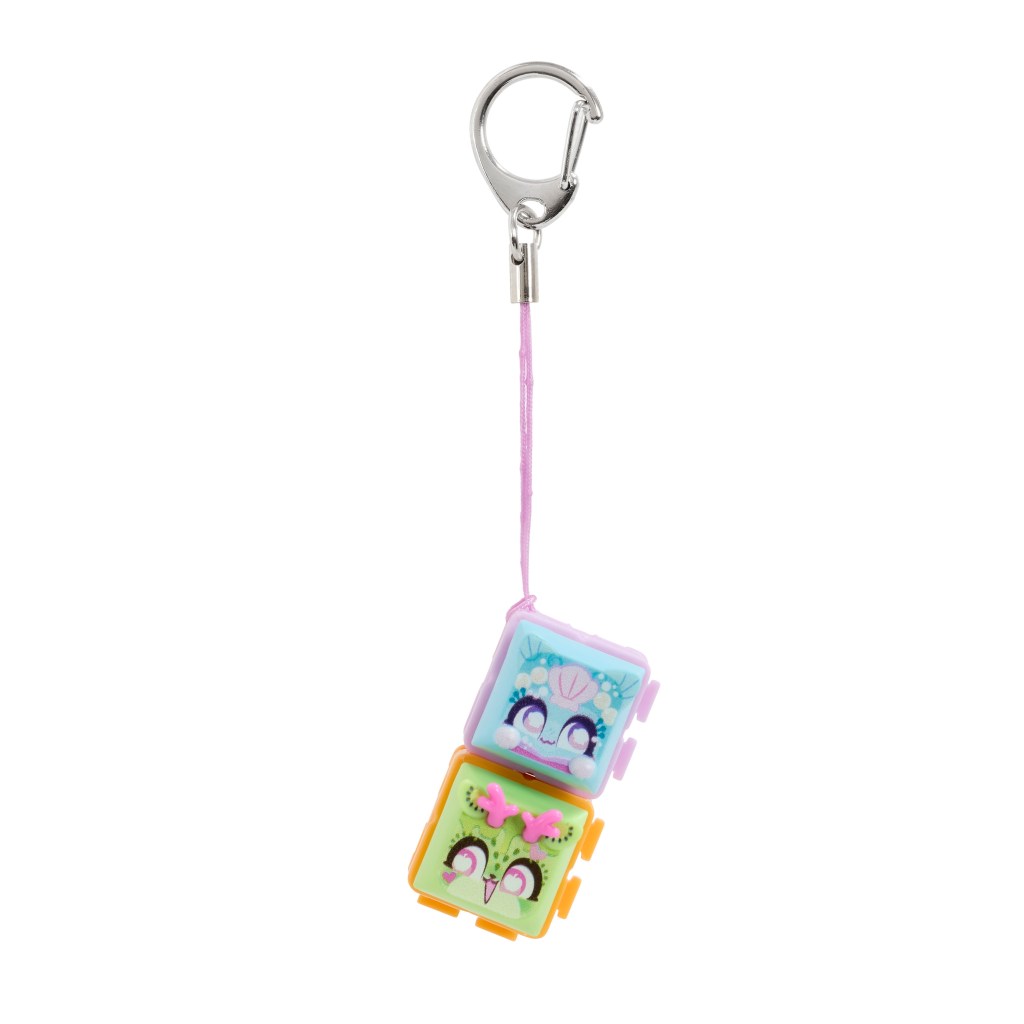
Clickeez, a brand from toy and game maker Goliath, has already sold more than 10 million pieces since launching in mid-2025. The collectible toys look and sound like mechanical keyboard keycaps, featuring a satisfying “click” mechanism. They are stackable, so users can connect them to create custom, wearable keychains or place them on keyboard trays. Each key features a character face and comes with a keychain.
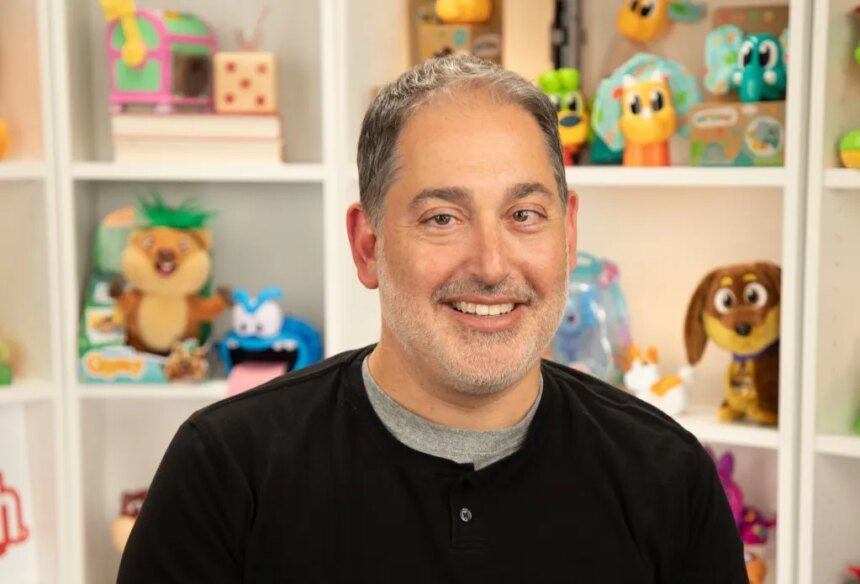
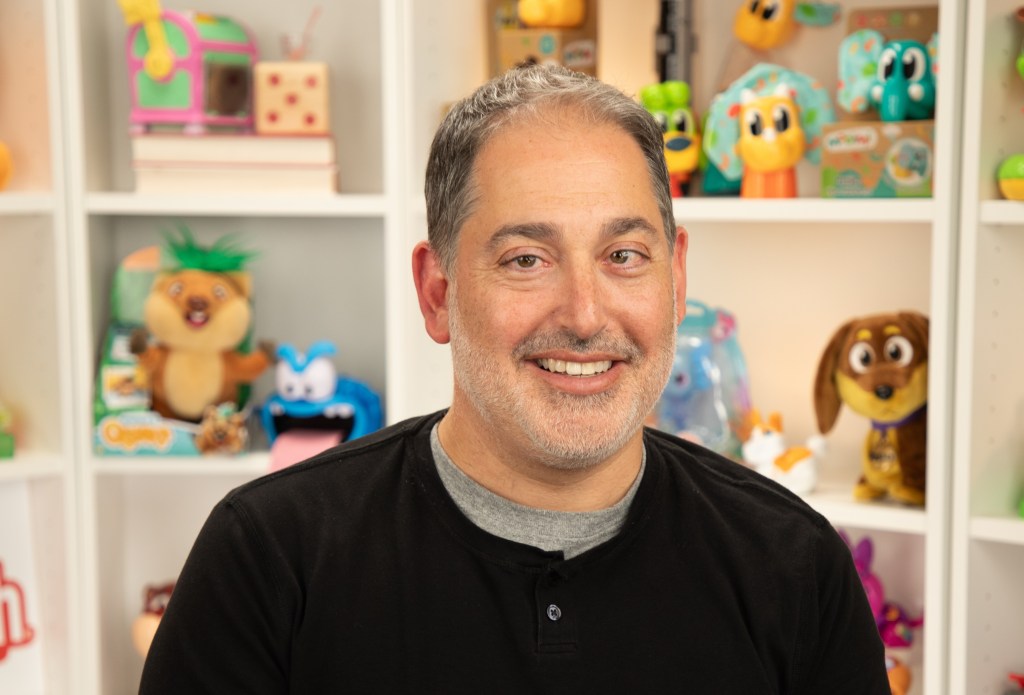
Brian Weiss, president of Goliath North America and global head of toys, expects to sell more than 100 million Clickeez by the end of this year. In a new interview with Entrepreneur, he describes the sales growth as “astronomical,” fueled by kids, teens and “kidults” who want to collect, customize and show off their keys.
Born into toys
Weiss did not stumble into toys; he grew up in the industry. His father was a manufacturer’s representative, a toy salesperson with a showroom in the old New York toy building. Weiss spent his childhood wiping shelves and setting up lines for different brands, absorbing how to merchandise and price great toys.
He briefly left the industry for Wall Street, then realized he missed toys and came back, eventually working at Jakks Pacific and then running U.S. sales and global ecommerce at Moose Toys. Next, he joined Goliath to lead North America and build out a true toy business alongside its core in games.
“Every toy company wants to be a games company, and this was an opportunity for a games company to make a toy company,” he says, adding that toys come naturally to him because, “If an item makes you smile and it makes you laugh, and then you have that visceral reaction that you love it, it’s good, and then you know you can sell it.”
How Clickeez was born in just a year
Clickeez started as an internal idea at Goliath after what Weiss calls “comp shopping” — looking at what is trending for older consumers and figuring out how to translate that into something aspirational for kids. The team zeroed in on the booming world of keyboard customization and mechanical keys, especially among designers and gamers in their own office, and asked how to combine that with the broader sensory and fidget trends.
“If we could take keyboard customization and sensory play and put it together, you have a fabulous collectible,” Weiss says.
From that insight, the company moved unusually fast, launching Clickeez in July 2025 after a year of product development. “It was quick,” Weiss says. “The typical timeline in toys is probably 18 to 21 months.”
A seven-figure bet that paid off
Behind the simple plastic keys is a sizable investment. Clickeez required significant tooling, repeated testing to “get the clicks right,” consumer research and thoughtful collector guides, all designed to “really deliver that happiness” to the end user, Weiss says. He characterizes the upfront cost as “definitely a seven-figure investment…multiple millions” before a single key hit shelves.
The company saw demand almost immediately. Clickeez debuted with a two-pack launch partnership at Five Below, plus a strong push on Amazon to capture online discovery through TikTok videos, Reddit threads and other social platforms. “We did do a little bit of digital [advertising] to get it going, to build the awareness,” Weiss says. “And then quite frankly, it sort of took on a life of its own…as soon as people have been buying it, they’re spreading it.”
Clickeez quickly leapt from a U.S. experiment to a global collectible. After launch, Goliath secured broad distribution in Europe, winning Collectible of the Year in France and adding major retailers like Smyths in the U.K. “The only thing limiting what we’re selling is getting it on shelf,” Weiss says.
Mistakes and lessons learned
One lesson Weiss learned while building Clickeez is to trust data. Goliath partnered with an external analytics firm, benchmarked the typical ramp of a strong collectible and ordered aggressively to build enough inventory to sustain momentum. “If we didn’t take in enough inventory, we wouldn’t have been able to get to that momentum and build that mass,” he says.
He is equally candid about missteps. One of the brand’s best-performing items is a $30 keyboard that acts as a storage case and play platform for the keys — a relatively high price point in the collectible world. Goliath omitted that item from the smaller “Season 2” spring assortment, only to realize it had left money and engagement on the table.
“The keyboard sold so well in fall that it would’ve been great to have a keyboard for Season 2,” Weiss says. “The learning is: Don’t be fearful of price points in spring if it’s right for the brand.”
Fighting copycats and building a 360 brand
Imitators have predictably appeared as Clickeez has taken off. Weiss does not minimize the issue but leans on brand strength and roadmap. “Everybody wants to do what everybody’s doing, but the consumer knows who is the legit OG. We are the OG; we created this; we’re doing this,” he says. In his view, knockoffs miss the details and consumer research.
Looking two to three years out, Weiss envisions Clickeez as a “360 brand,” spanning t‑shirts, backpacks, bedding, phone cases, water bottles and more, while continuing to grow as a global retail operation.
For founders watching from the sidelines, Weiss’s most concrete advice mirrors how he has led Clickeez from idea to phenomenon: “Believe in yourself,” he says. “Do your research, do the work, come prepared. When someone says no, explain why. Let me learn. I want to know why.”
Key Takeaways
- Clickeez are toys that resemble mechanical computer keyboard keys and feature a satisfying “click” mechanism.
- The brand went from idea to market in about a year — much faster than the typical 18–21-month toy timeline.
- The company has sold more than 10 million Clickeez since its launch in mid-2025, and it’s projected to sell over 100 million by the end of the year.
A simple idea to turn an adult hobby into a kids’ toy has become one of the hottest toy launches of the past year. It’s Clickeez, a sensory toy that looks like a mechanical keyboard key, feels like a fidget, and doubles as a collectible — and is suddenly everywhere.
Clickeez, a brand from toy and game maker Goliath, has already sold more than 10 million pieces since launching in mid-2025. The collectible toys look and sound like mechanical keyboard keycaps, featuring a satisfying “click” mechanism. They are stackable, so users can connect them to create custom, wearable keychains or place them on keyboard trays. Each key features a character face and comes with a keychain.
Brian Weiss, president of Goliath North America and global head of toys, expects to sell more than 100 million Clickeez by the end of this year. In a new interview with Entrepreneur, he describes the sales growth as “astronomical,” fueled by kids, teens and “kidults” who want to collect, customize and show off their keys.

