





On a Friday morning in June, Jimmy Donaldson—better known as MrBeast—notched a digital media milestone, becoming the first person to surpass 500 million subscribers on YouTube, making his viewership larger than the combined populations of the U.S. and Canada.
But inside his North Carolina studio hangs a plaque that has little to do with subscriber counts. It reads “YouTube first,” a motto that still governs the Beast Industries operation, according to its chief executive Jeff Housenbold, even if the company it anchors no longer looks much like a YouTube channel.

Instead, the business now more closely resembles a diversified conglomerate, encompassing a chocolate brand, a toy manufacturer, a brand studio, a competition show on Prime Video, a financial services app, and, coming later this year, a mobile telecommunications platform.
Donaldson, who uploaded his first video to YouTube 14 years ago, is the most visible example of a shift that has been building for years: Creators, expanding beyond their native platforms, are maturing into media companies.
The same personalities who once measured success in views and subscribers are now guided by balance sheets and equity value. They are restructuring into parent companies, hiring chief executives, launching products, and, in some cases, courting the same institutional capital that funds traditional media.
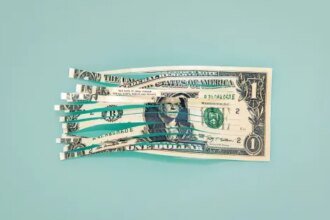
In 2026, U.S. brands will spend at least $21 billion on creators, nearly double the 2022 figure, according to eMarketer. Perhaps more telling, the revenue gap between web publishers’ programmatic display businesses and creator earnings, which publishers led by 44% in 2022, has collapsed to roughly 26% today.
“Creators are not becoming the new media companies,” Housenbold told ADWEEK. “They are media companies.”
Becoming a media mogul follows a consistent set of mechanics. A creator builds an audience on a platform they do not own, then starts businesses on top of it that they do.

