




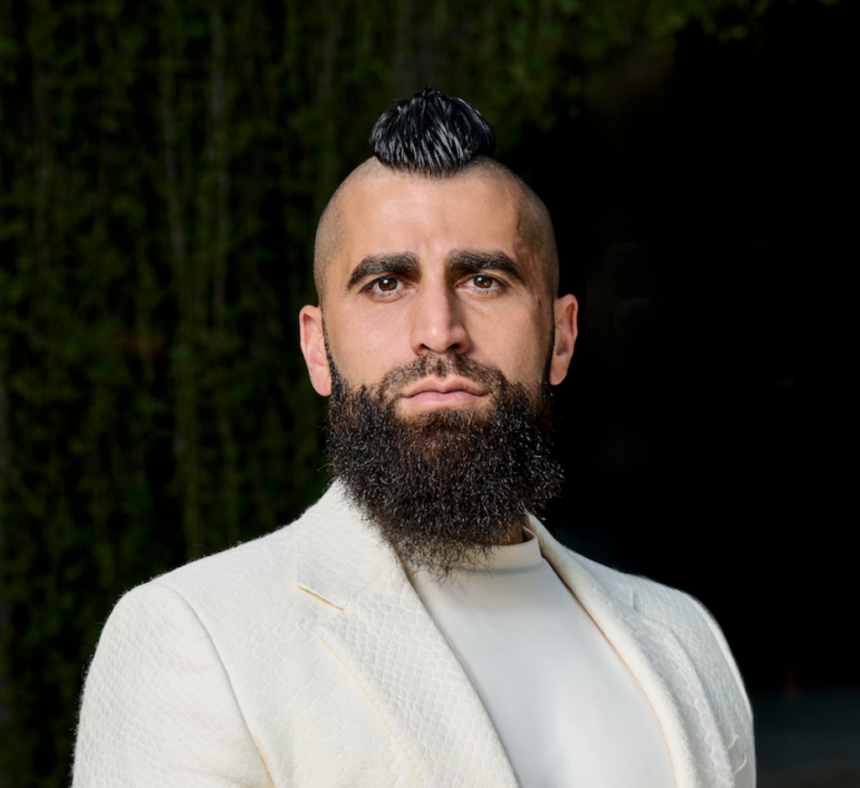

Robert Rivani never graduated from middle school. He never got a high school diploma. Yet he’s built a real estate portfolio that has generated over a billion dollars in acquisitions and dispositions — without a single outside investor or partner. Rivani, who works out of Miami with roots in Los Angeles, has become known for spotting undervalued properties and reimagining them, most recently with Class X, a new category of workplace that treats hospitality and wellness as core to the business model. I spoke with him about how he learned to trust his instincts, what a career selling sneakers taught him about competitive advantage, and why he believes the traditional office is broken.
Dan Bova: You’ve said you were never particularly academic, but you’ve built a career around spotting opportunities others miss. When did you first realize that was your superpower?
Robert Rivani: I never had a high school degree, never even graduated and walked across my middle school graduation stage. It wasn’t until I started becoming successful in my shoe business that I started learning that I had a business knack. And even as I was getting successful in real estate, I still thought I was a fraud and a phony for the first couple of years, because I thought there’s no reason why I should be in this position in a real-world business environment. It’s after you put enough repetition and experience under your belt in your shoes that you start getting confident in your craft. You’re like, I’m capable of another level, and another level.
What did selling sneakers teach you about what you do now?
That first business taught me that you have to do whatever it takes to get the job done, and you have to find a more creative way to do what others do to still be successful. What do I mean by that? Many people who are innovative and creative don’t always come up with a new idea — they just find out how to do an old idea in a better way. There were people selling shoes before my time. By me licking the bottom of a pair of shoes [to show how pristine they were] or sleeping overnight at every new shoe release, this gave me my competitive advantage.
When you walk into a potential real estate acquisition, what are the signals that tell you it is right for you or not?
The potential signals to me are that the property’s foundation is in a good location, but it’s been severely undervalued because the vision of the project from when it was first created is completely gone and lost. If I can’t think of new creative ways to bring a vision together — like putting a gym and a speakeasy in this office building, or creating a bank drive-through into a brand new valet — if I can’t come up with those creative moments, then I know the project will not be a success.
You call Class X a new category of workplace. What inspired it?
The office was always looked upon as something people were forced to do, and COVID made people realize that you could work from home and be as creative — if not more creative — than you were before. The problem is we lost the human component, the camaraderie amongst workplace people. And when people get used to working out of their home, you need to draw them back for something. You need to evolve something exciting. We went from a workplace that was depressing, working in cubicles, to people really caring about their longevity, their health. Life is potentially short — there are diseases in the world, it is scary — so I want to focus on the health component, the gym component, but also make the workspace you’re working out of every single day exciting. I’m a work hard, play hard kind of guy — I want to go for my happy hour drink right after a long day of work. That was one thing I was missing: the hospitality component. If you’re working your ass off, if you’re hitting the gym, you also want a place to have fun, socialize, and be with friends. Bring all of those together in one building, on one floor, that an entire building could use — that was the most important piece that set the tone for what Class X could be.
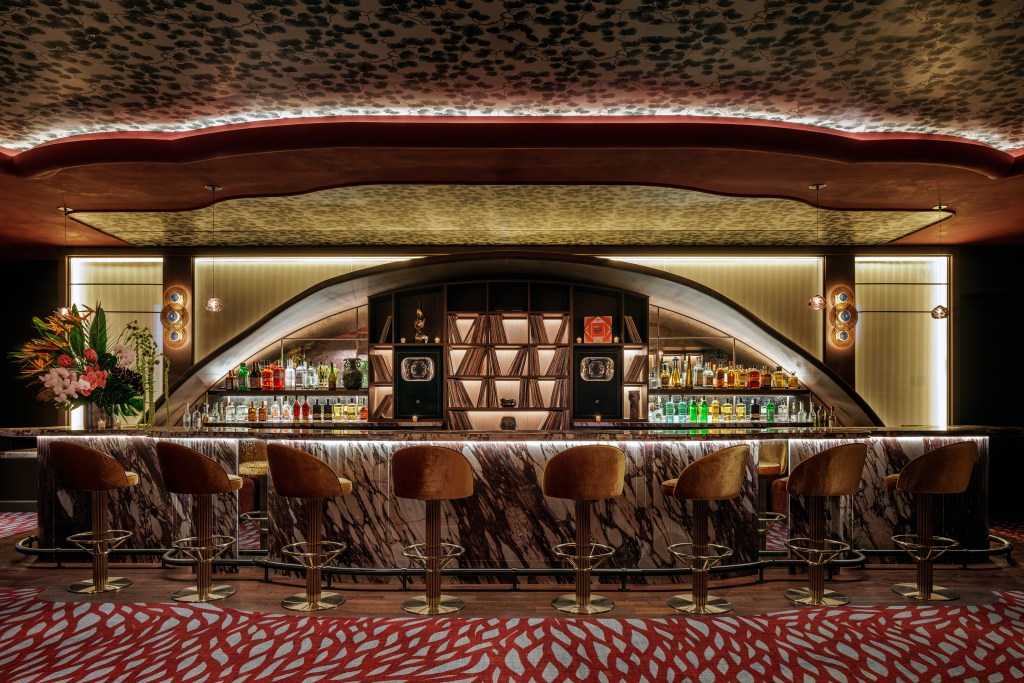
Photo credit: Rivani
Why do you believe wellness is so important?
Wellness is the future of what I think everybody is focusing on at this point. What cigarettes were to my generation growing up, alcohol has become to the younger generation — where instead of thinking about celebrating and partying in a nightclub or restaurant, they want to invest in themselves and their own performance. Bringing a true and trusted brand like Monarch Athletic Club, who’s done this for years, to provide those services in addition to the stem cell clinics we have, the multiple doctors and longevity doctors on one floor — I want to create that symbiotic relationship where a brand could come here from LA, help all the people here in Miami, but also help the other businesses on that same floor create that energy in that environment.
What is the fastest way a real estate entrepreneur can improve a property’s revenue?
The fastest way for a real estate developer entrepreneur to increase their revenue is to purely think about a different game plan — not trying to hold out for the best dollar of rent or the best value possible from tenants. If you’re able to get butts in chairs faster and sooner, and people start paying rent and seeing the velocity that this is a leasable property, that will, in the long run, make your property more valuable — but it also brings you more cash flow day one.
Robert Rivani never graduated from middle school. He never got a high school diploma. Yet he’s built a real estate portfolio that has generated over a billion dollars in acquisitions and dispositions — without a single outside investor or partner. Rivani, who works out of Miami with roots in Los Angeles, has become known for spotting undervalued properties and reimagining them, most recently with Class X, a new category of workplace that treats hospitality and wellness as core to the business model. I spoke with him about how he learned to trust his instincts, what a career selling sneakers taught him about competitive advantage, and why he believes the traditional office is broken.
Dan Bova: You’ve said you were never particularly academic, but you’ve built a career around spotting opportunities others miss. When did you first realize that was your superpower?
Robert Rivani: I never had a high school degree, never even graduated and walked across my middle school graduation stage. It wasn’t until I started becoming successful in my shoe business that I started learning that I had a business knack. And even as I was getting successful in real estate, I still thought I was a fraud and a phony for the first couple of years, because I thought there’s no reason why I should be in this position in a real-world business environment. It’s after you put enough repetition and experience under your belt in your shoes that you start getting confident in your craft. You’re like, I’m capable of another level, and another level.
What did selling sneakers teach you about what you do now?
That first business taught me that you have to do whatever it takes to get the job done, and you have to find a more creative way to do what others do to still be successful. What do I mean by that? Many people who are innovative and creative don’t always come up with a new idea — they just find out how to do an old idea in a better way. There were people selling shoes before my time. By me licking the bottom of a pair of shoes [to show how pristine they were] or sleeping overnight at every new shoe release, this gave me my competitive advantage.
When you walk into a potential real estate acquisition, what are the signals that tell you it is right for you or not?
The potential signals to me are that the property’s foundation is in a good location, but it’s been severely undervalued because the vision of the project from when it was first created is completely gone and lost. If I can’t think of new creative ways to bring a vision together — like putting a gym and a speakeasy in this office building, or creating a bank drive-through into a brand new valet — if I can’t come up with those creative moments, then I know the project will not be a success.

