




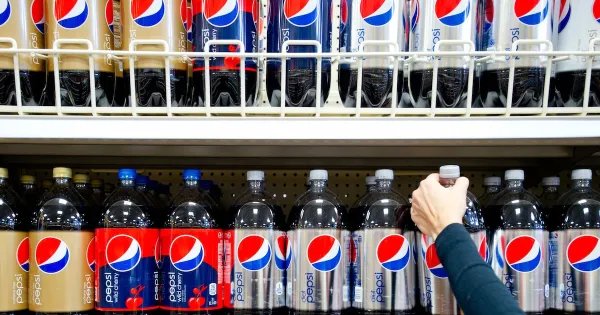

And that was before the other media shoe dropped. Within 24 hours, Publicis had exited the two-horse race it was running with WPP for Coca-Cola’s global media account. Publicis withdrew not because it felt it was losing that race, but because it had won the other. As everyone knows, agencies have to avoid client conflict.
Right?
The great Harvard professor Al Silk referred to it as the Exclusivity Norm. Agencies are not meant to have two competitors from the same region and category on their books at the same time. Clients ask for category exclusivity before they appoint a winner. And agencies will occasionally set up conflict shops like the K Group or Hearts & Science to dodge the restriction.
But the assumption that you cannot serve Peter if you already work for Paul falls apart under scrutiny. The headlines about Publicis and Pepsi often omitted the fact that Publicis handles Coca-Cola’s $700 million North America media account and, at least for the next few months, will continue to do so.
Publicis was also already handling PepsiCo media in places like China, India, Korea, and parts of Eastern Europe. So, despite servicing both Coke and Pepsi, no one called the conflict police until everything got global—and newsworthy. Client conflict really isn’t a function of any practical concern. It’s a tradition, but not a requirement.
If you need evidence of that, head to Silicon Valley, where Google and Meta enjoy Coke and Pepsi money at the same time. The platforms all somehow manage to hold both companies’ media plans, audience data, and bid strategies, and optimize them all inside a single algorithm, without any apparent strain or conflict.
Amazon sells retail media to both, of course. And the consultants at McKinsey, BCG, and Bain regularly advise both competitors, in the same region, at the same time, on the same matters, waving away potential concerns about conflict with their corporate reputations and ethical walls.
Agencies appear to be the only companies still bound by client conflict, despite being party to the least important data and the lowest levels of strategic access.
But this isn’t true everywhere. In Japan, Dentsu has handled Toyota, Honda, and Nissan simultaneously for decades. Most Japanese agencies handle competing accounts with nothing more than a couple of floors between them. And nobody has ever produced evidence that a Japanese car ad had leaked a rival’s launch date.
Even Coca-Cola accepts that situation, as its current global review specifically excludes Japan because Dentsu is a complementary media partner, despite the fact the giant agency also handles Coke’s biggest Japanese rival, Suntory.

