




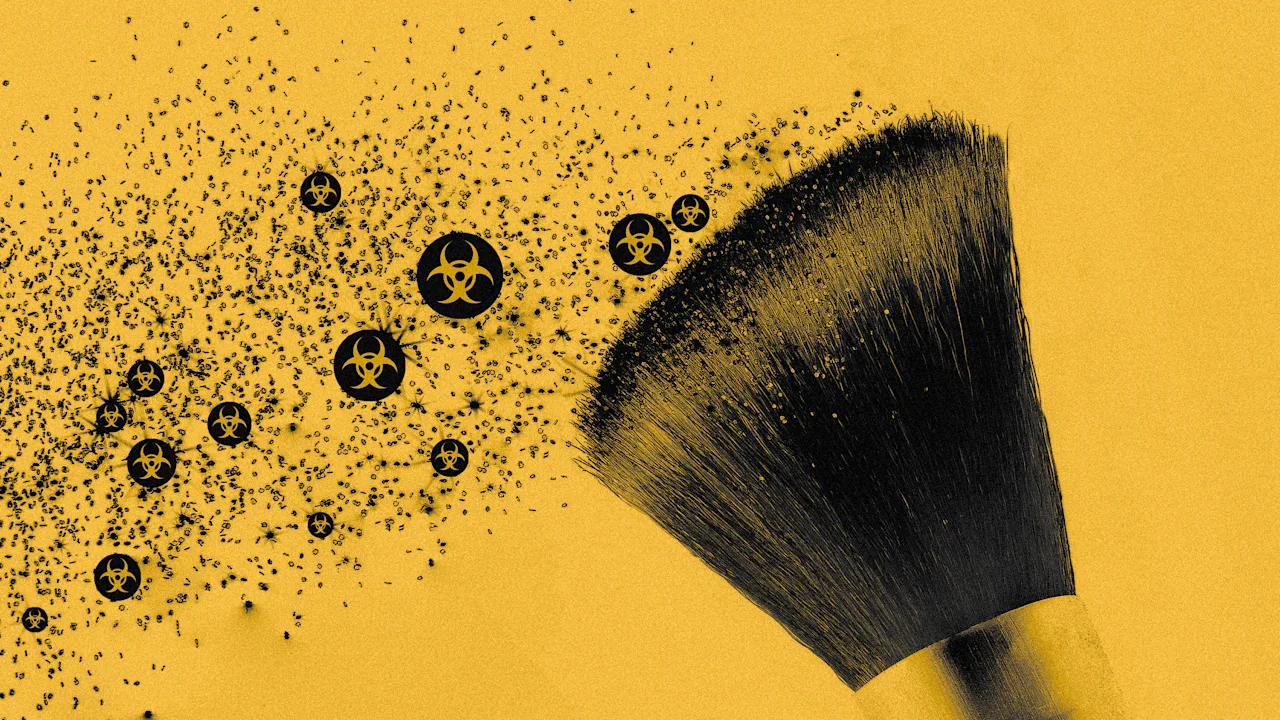
In the latest sign that the Trump administration isn’t so concerned about asbestos, the Food and Drug Administration this week withdrew a proposed rule that would have required testing for the toxic asbestos in talc-based cosmetics.
The rule, which was proposed by the Biden administration less than a year ago, would have required manufacturers to test cosmetics for asbestos and keep records demonstrating compliance. Exposure to asbestos has been linked to lung cancer, mesothelioma, ovarian cancer, and laryngeal cancer, which is why various health agencies have determined there’s no “safe” level of exposure to this natural mineral.
Johnson & Johnson has been the subject of numerous lawsuits related to reports that the company knew about the risk of asbestos in the talc found in its baby powder. Talc is found in many cosmetics because it can be used to absorb moisture, prevent caking, and create a silky feel for these products, according to information on the FDA website.
But the current administration seems to have yielded partly to the “highly scientific and technical issues addressed” in the 49 comments received during the mandatory public comment period, according to a legal notice posted to the federal registry and signed by Health and Human Services Secretary Robert F. Kennedy Jr.
“Good cause exists to withdraw the proposed rule at this time,” the order stated. “We are withdrawing the proposed rule to reconsider best means of addressing the issues covered by the proposed rule and broader principles to reduce exposure to asbestos, and to ensure that any standardized testing method requirements for detecting asbestos in talc-containing cosmetic products help protect users of talc-containing cosmetic products from harmful exposure to asbestos.”
The FDA didn’t immediately respond to a request for comment from Fast Company.
WITHDRAWING FROM BIDEN’S BANS
Withdrawing from this proposed rule doesn’t necessarily mean that manufacturers will suddenly start adding asbestos to cosmetics, but rather a guardrail for ensuring the deadly toxin isn’t present in these products is now being reconsidered. The FDA plans to issue a proposed rule related to the Modernization of Cosmetics Regulation Act of 2022.
A spokesperson for the agency confirmed as much to The New York Times, saying that the FDA will submit a new proposed rule “that offers a more comprehensive approach to reducing exposure to asbestos and reducing asbestos related illness, including identifying safer additives as alternatives, especially when they are less costly.”
But both Trump administrations have demonstrated some willingness to walk back protections from this deadly carcinogen, allowing asbestos to make a comeback. By contrast, the Biden administration finalized a ban on ongoing uses of chrysotile asbestos in 2024 and also proposed the aforementioned rule for detecting and identifying asbestos in cosmetics.
The current Trump administration has now taken a swipe at both of these efforts to ban asbestos. In June, the Environmental Protection Agency in June planned to withdraw a proposed ban on chrysotile asbestos, before reversing course less than one month later.
OUTRAGE AT ROLLBACK
The U.S. continues to be out-of-step with much of the rest of the world, where asbestos is completely outlawed in more than 50 countries. Notably, asbestos is not outlawed in China, where many cosmetics are manufactured.
This latest move by the FDA is both baffling and troubling to some consumer advocates.
“Nothing could make America less healthy than having a cancer causing product in cosmetics,” Scott Faber, vice president of government affairs with the Environmental Working Group, a nonprofit that’s lobbied for stricter regulations around talc, told The Guardian. “It’s hard to understand why we would revoke a rule that simply requires companies to test for asbestos.”
And it marks “another horrific rollback” that should outrage consumers, Linda Reinstein, president and chief executive of the Asbestos Disease Awareness Organization, told The New York Times.
“It puts the onus on Americans to have to try to identify consumer products that might be contaminated, and the average person can’t do that because you can’t know without testing,” she said.
The final deadline for Fast Company’s World Changing Ideas Awards is Friday, December 12, at 11:59 p.m. PT. Apply today.

