


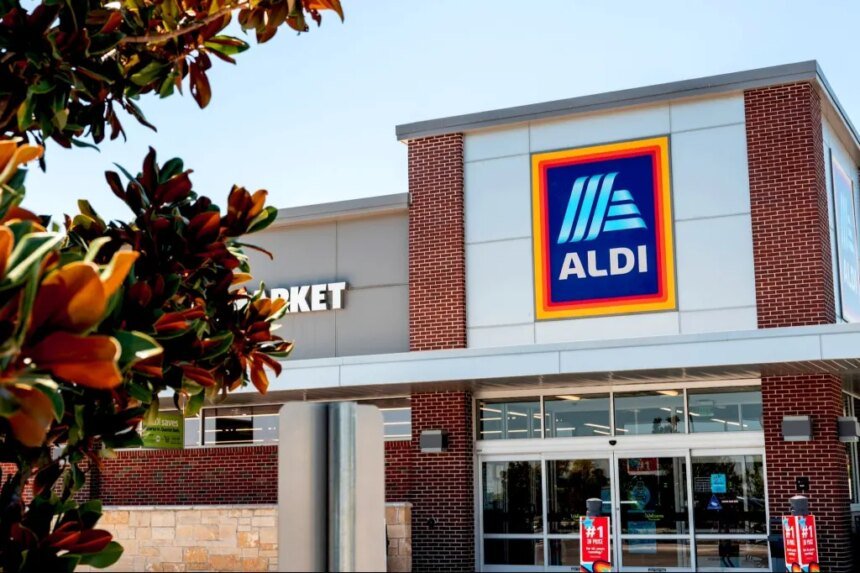

Aldi plans to open more than 180 stores in the U.S. this year, expanding onto the traditional turf of rival supermarkets. The German grocery chain is now the third-largest grocer in the country by store count with 2,614 locations as of December 31, trailing only Walmart and Kroger. Last year was its biggest expansion since opening its first U.S. store in Iowa in 1976, with nearly 200 new locations.
Aldi’s growth comes as shoppers are ditching traditional grocery stores for discounters. Store traffic at Aldi rose 8% in 2025 compared to Costco’s 5.9%, Kroger’s 0.8% and Walmart’s 0.5%, according to Placer.ai. Even wealthy households are choosing cheaper options. The percentage of shoppers earning over $100,000 annually who spend most of their grocery budget at traditional stores dropped 7% year over year.
Aldi’s strategy is all about efficiency: Stores average just 10,000 square feet compared to Walmart’s 178,000, over 90% of products are private label, and items have multiple bar codes for faster checkout. Even the quarter deposit for shopping carts saves labor costs since customers return them to get their money back.
Aldi plans to open more than 180 stores in the U.S. this year, expanding onto the traditional turf of rival supermarkets. The German grocery chain is now the third-largest grocer in the country by store count with 2,614 locations as of December 31, trailing only Walmart and Kroger. Last year was its biggest expansion since opening its first U.S. store in Iowa in 1976, with nearly 200 new locations.
Aldi’s growth comes as shoppers are ditching traditional grocery stores for discounters. Store traffic at Aldi rose 8% in 2025 compared to Costco’s 5.9%, Kroger’s 0.8% and Walmart’s 0.5%, according to Placer.ai. Even wealthy households are choosing cheaper options. The percentage of shoppers earning over $100,000 annually who spend most of their grocery budget at traditional stores dropped 7% year over year.
Aldi’s strategy is all about efficiency: Stores average just 10,000 square feet compared to Walmart’s 178,000, over 90% of products are private label, and items have multiple bar codes for faster checkout. Even the quarter deposit for shopping carts saves labor costs since customers return them to get their money back.

