



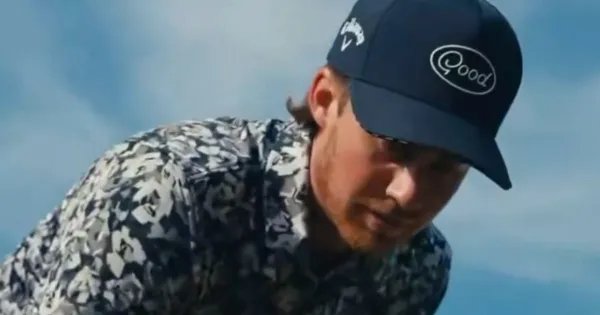

You know the clip by now. Good Good co-founder Garrett Clark shoves fellow creator Alexis Miestowski to the ground as she reaches for his new Callaway driver. He stands over her and tells her not to touch it.
The ad is gone. So is the partnership.
Retailers pulled Good Good merchandise, the company withdrew as title sponsor of a PGA Tour event, while Callaway pledged $1 million to organizations working to prevent violence against women in an effort to wash away the controversy.
And the entire public argument is about approval. Callaway CEO Chip Brewer says the video was produced by Good Good but signed off by Callaway, and that “that approval should have never happened.”
On Friday morning, Good Good CEO Matt Kendrick broke an 11-year Twitter silence at 3:38 a.m. to accuse Callaway of asking for the ad, approving it, then dropping his company in a “coordinated media blitz.” Asked whether he’d sue, he replied: “Not opposed.”
Both men are addressing the wrong questions. It’s not about who approved the ad; it’s how nobody and no process stopped it before it went live, when the tools to catch the warning signs cost less than the driver they’re selling.
The story is much bigger than just one terrible ad
We’ve entered a dynamic where brands and creators need each other. Brands need creators to reach communities they can’t, while creators need to monetize their audiences.
That relationship comes with risk, as brands put decades or centuries of hard-earned equity into the hands of culturally nimble third parties, and ask them to translate it for new audiences. That’s inherently risky. It’s also increasingly necessary.
Creators aren’t the problem. The problem is that the infrastructure hasn’t kept up. Brands are producing more content, across more platforms, with more partners, for more audiences. The old model of heavily researching a few major campaigns wasn’t built for hundreds of smaller decisions.
An ad so bad even AI frowned upon it
The frustrating thing about the Good Good ad is that the warning signs weren’t particularly difficult to find. We tested the ad after it was pulled, first with U.S. consumers. It performed significantly below advertising norms on appeal, likelihood to drive behavior, brand fit, relevance, believability, and attention.
More telling was the reaction underneath those scores. Nearly one-third said there was something offensive, unpleasant, or disturbing about the ad. Shock was eight times higher than our norm.
But let’s assume the Good Good and Callaway teams involved didn’t have the time, resources, or know-how to commission a traditional market research study for one piece of creator content. Fair enough. They at least could have tested the ad with AI.

