




China just posted a trade surplus bigger than Saudi Arabia’s entire economy. The manufacturing powerhouse reported a record $1.189 trillion trade surplus for 2025, surpassing previous records even when adjusted for inflation. China’s surplus now exceeds a tenth of the country’s entire economic output.
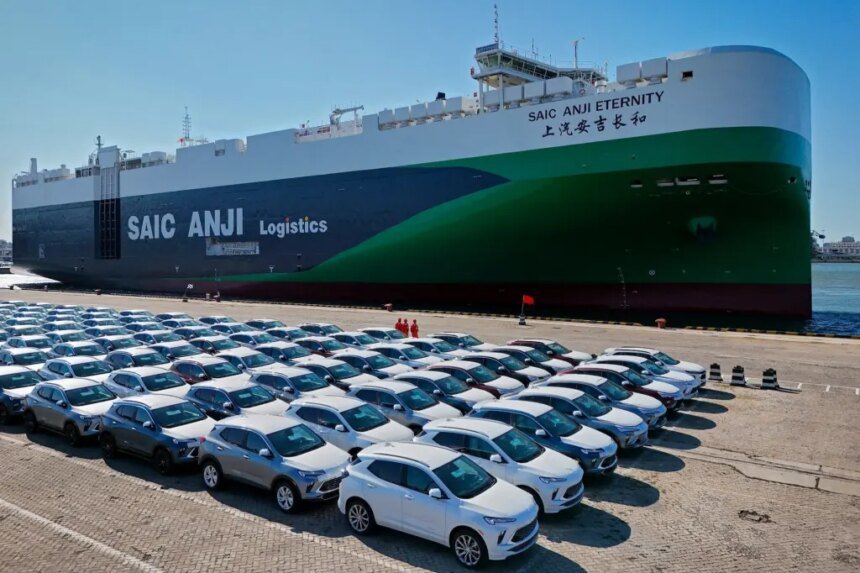
Despite a 20% drop in exports to the U.S., Chinese firms pivoted aggressively to other markets. Exports to Africa jumped nearly 26%, while shipments to Southeast Asia and the EU also surged. Many Chinese companies bypassed U.S. tariffs by routing goods through Southeast Asia. Auto exports hit 5.79 million vehicles, keeping China the world’s top auto exporter for a third straight year.
The surplus has been fueled by a weak yuan, deflation at home and Beijing’s push to replace imports with domestic production, leaving Chinese consumers with less buying power as a housing market crash wiped out savings. The lopsided trade balance is raising alarms globally. When one country sells vastly more than it buys, it essentially exports unemployment to other nations — creating millions of manufacturing jobs at home while contributing to factory closures and layoffs abroad.
China just posted a trade surplus bigger than Saudi Arabia’s entire economy. The manufacturing powerhouse reported a record $1.189 trillion trade surplus for 2025, surpassing previous records even when adjusted for inflation. China’s surplus now exceeds a tenth of the country’s entire economic output.
Despite a 20% drop in exports to the U.S., Chinese firms pivoted aggressively to other markets. Exports to Africa jumped nearly 26%, while shipments to Southeast Asia and the EU also surged. Many Chinese companies bypassed U.S. tariffs by routing goods through Southeast Asia. Auto exports hit 5.79 million vehicles, keeping China the world’s top auto exporter for a third straight year.
The surplus has been fueled by a weak yuan, deflation at home and Beijing’s push to replace imports with domestic production, leaving Chinese consumers with less buying power as a housing market crash wiped out savings. The lopsided trade balance is raising alarms globally. When one country sells vastly more than it buys, it essentially exports unemployment to other nations — creating millions of manufacturing jobs at home while contributing to factory closures and layoffs abroad.

