



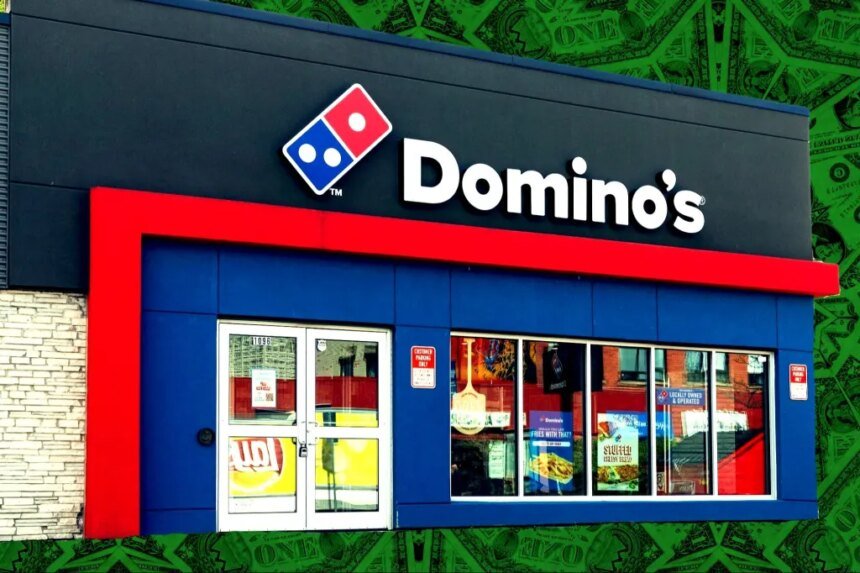

Domino’s is delivering big numbers in the pizza wars. While customers’ appetite for pizza has struggled lately, Domino’s U.S. sales grew 5.2%. The secret? CEO Russell Weiner focused relentlessly on three things competitors overlooked: loyalty programs, value deals and advertising scale.
“They’re really leveraging the fact that they have this huge advertising budget — it’s like four times or more the size of their nearest competitors,” Sara Senatore, Bank of America Securities senior restaurant analyst, told Fox Business News. Domino’s also made its loyalty program easier to join by adding more tiers and making points simpler to redeem, creating what Senatore calls a “virtuous cycle” where more users make marketing more effective.
This strategy has created a compounding effect. As more customers join the loyalty program, Domino’s can market directly to them through the app, bypassing expensive third-party platforms. That drives more orders, which fund bigger ad budgets, which attract more loyalty members. Meanwhile, competitors stuck to traditional strategies while the entire pizza business model fundamentally changed.
Domino’s is delivering big numbers in the pizza wars. While customers’ appetite for pizza has struggled lately, Domino’s U.S. sales grew 5.2%. The secret? CEO Russell Weiner focused relentlessly on three things competitors overlooked: loyalty programs, value deals and advertising scale.
“They’re really leveraging the fact that they have this huge advertising budget — it’s like four times or more the size of their nearest competitors,” Sara Senatore, Bank of America Securities senior restaurant analyst, told Fox Business News. Domino’s also made its loyalty program easier to join by adding more tiers and making points simpler to redeem, creating what Senatore calls a “virtuous cycle” where more users make marketing more effective.
This strategy has created a compounding effect. As more customers join the loyalty program, Domino’s can market directly to them through the app, bypassing expensive third-party platforms. That drives more orders, which fund bigger ad budgets, which attract more loyalty members. Meanwhile, competitors stuck to traditional strategies while the entire pizza business model fundamentally changed.

