






As Super Bowl advertising becomes less about a single TV moment and more about real-time cultural participation, brands are increasingly investing in influence that plays out off of the broadcast.
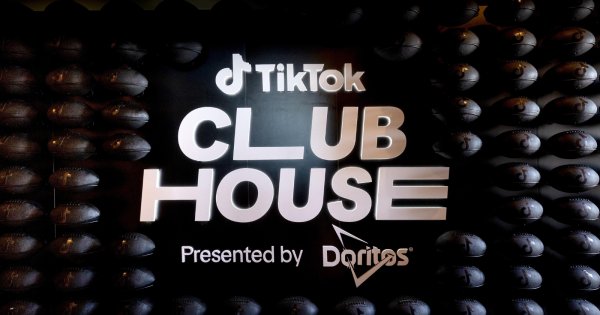
This year, TikTok positioned its Clubhouse activation as a core second-screen strategy for brands. The IRL creator hub, hosted in early February, was designed to fuel platform-native content throughout the Big Game weekend by bringing together athletes, creators, and brands to collaborate on content specifically designed for the platform.
Rather than a replacement for the TV spot, TikTok designed this year’s Clubhouse to amplify Super Bowl ads through creator-led content that shaped how the game was experienced before, during, and after kickoff.
For brands like Doritos and Ulta Beauty, the approach reflects a broader shift away from reactive social posting during live TV moments and toward immersive, creator-led environments built to extend campaigns in real time.
Immersed in culture
Unlike the social war rooms of a decade ago, built to react to moments as they happen, TikTok Clubhouse is designed to place brands inside the cultural action itself, said Rema Vasan, head of North America business marketing. She described it as “bringing the For You Page to IRL.”
While Super Bowl spots are often about achieving broad reach, successful brands on TikTok aren’t just chasing views, Vasan added. The platform analyzes signals like engagement and sharing leading up to the game and customizes solutions that helps brands achieve specific goals, like consideration, interaction, or sales.
At this year’s Clubhouse, title sponsor Doritos built a sensory environment tied to its signature orange color, while Ulta Beauty’s “Game Face” headquarters focused on beauty storytelling and getting-ready rituals.
“Every brand’s execution is super custom,” Vasan said. “Their goals are different. The audience they’re looking to reach is different. And how they connect with culture and creators is going to be different.”
TikTok said engagement around Super Bowl–related content on the platform increased 13% year over year on Super Bowl Sunday and the following Monday, according to internal data.
“The game has become so much more than just the game itself,” Vasan said. “It’s become this second-screen cultural ecosystem. And what Clubhouse does really well is enable brands and fans to actively participate in it.”
Letting go of control
For Chris Bellinger, chief creative officer at PepsiCo Foods, Clubhouse’s appeal is about meeting Gen Z where they already are. “You’ve got to fish where the fish are,” he said. “Especially with Gen Z, the second screen is almost becoming the primary screen.”
But that shift requires brands to rethink how they show up on social and accept the creative trade-offs that come with creator-led spaces. Doritos has a long history with user-generated content in the Super Bowl, thanks back to its Crash the Super Bowl contests, making the brand more comfortable acting in real-time on social, Bellinger said.

