






The disruptions from the U.S. and Israeli attacks on Iran spread quickly to commercial aircraft, shipping lanes, and the world’s energy supply. Those repercussions have already hit fuel costs, including for motorists, truckers, and fishermen, and are set to spread even more widely to packaging, household goods, appliances, medicines, and electronics.
I study global supply chains and how they interconnect and depend on each other around the world. There are several ways in which U.S. consumers will begin to feel the pinch of the war. Some of those effects have to do with domestic commerce, and some are a result of the interwoven nature of global trade, where raw materials from one place are shipped somewhere that they are manufactured into specific items that are then transported to consumers.
Rising costs in the U.S.
Here are the main categories in which costs will begin to rise.
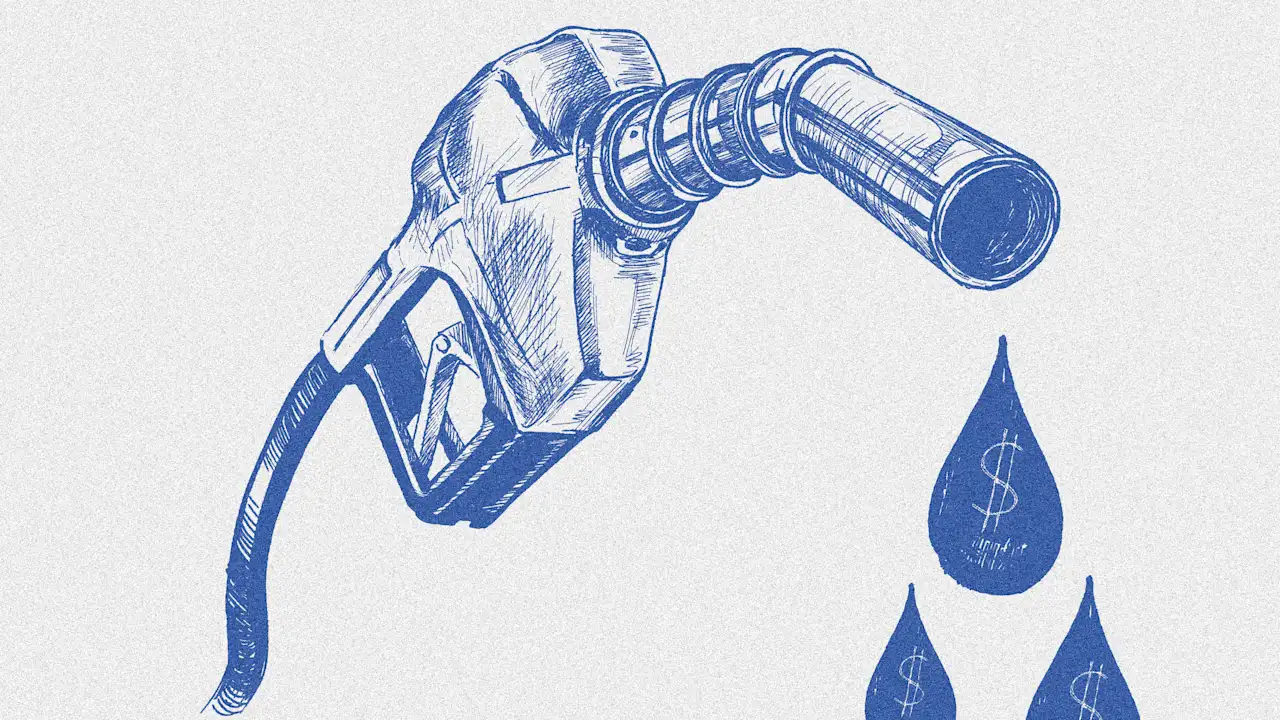
Fuel shortages and freight surcharges: From March 2-16, 2026, the average nationwide price of U.S. regular gasoline rose from $3.01 to $3.96 per gallon, while diesel fuel rose from $3.89 to $5.37. Diesel prices matter to consumer costs because diesel engines power trucks, farm machines, construction equipment, fishing vessels, and many of the vehicles that carry domestic freight. When items become more expensive to harvest, build, and ship, diesel costs spread quickly into grocery, household, and building material prices.
Chemicals, fertilizer, and packaging: QatarEnergy has said Iranian attacks on the world’s largest liquefied natural gas export plant at Ras Laffan and another plant in Mesaieed, both in Qatar, forced the company to stop producing LNG and associated products on March 2. Two days later, the company declared that it could not fulfill its contracts due to extreme external pressures that would require many years to recover from. The affected products included urea, polymers, and methanol, used to make fertilizer, plastics, detergents, packaging, and other consumer goods. Reduced production and closed transit routes are also affecting supplies of aluminum and helium produced in the Gulf countries.
Factory slowdowns abroad: When shipping slows and energy costs rise, factories abroad face higher operating costs. As a result, they ration production, diverting energy supplies to producing a narrow range of high-value products that can absorb these costs. Diversions of shipment traffic and fewer transportation routes lead to delivery delays. Economic research shows that shipping-cost increases also raise import prices, producer costs, and consumer inflation.
Air cargo and delivery delays: Early in the conflict, several countries, including Qatar, Bahrain, Kuwait, and the United Arab Emirates, closed their airspace to all traffic. Later advisories warned of risks to planes over neighboring countries as well, except for limited corridors. Those closures affected 20% of global air cargo capacity, raising the risk of delays for higher-value cargo such as medicines, aircraft components, and electronics.
Global disruptions
About 80% of the oil and 90% of the LNG moving through the Strait of Hormuz, between the Persian Gulf and the Gulf of Oman, is destined for Asian markets. With strait shipments stopped, consumer electronics and manufacturing hubs in China, Japan, Taiwan, and South Korea are drawing on their energy reserves and inventories. But those supplies will run out in a few months. Reduced manufacturing capacity can be expected to cause shortages and higher costs for textiles, chemicals, consumer goods, electronics, appliances, auto parts, and fertilizer-intensive industries.
Europe is less directly dependent than Asia on Hormuz shipments, but it is still vulnerable to high LNG prices, increased shipping costs, and diesel fuel shortages. Europe has also already faced shortages of heating oil and other fuels as a result of Russia’s war on Ukraine. The strait carried about 7% of Europe’s LNG inflows in 2025, and higher costs for energy, ship fuel, freight, and insurance can ripple through global trade. For the U.S., that matters because Europe supplies industrial equipment, precision components, medical technology, and specialty chemicals sold to businesses and directly to consumers.
African economies are especially exposed to fuel and fertilizer shocks. Large volumes of fertilizer pass through Hormuz, and higher energy and fertilizer prices threaten crop yields and food systems across most of Africa. As a result, U.S. prices can rise for coffee and chocolate—much of which originates in Africa—as well as critical minerals for electric vehicles, energy storage, and high-tech equipment.
Coming home to Americans
This war is not a distant geopolitical shock for U.S. households. It reaches everyday life through fuel, freight, fertilizer, petrochemicals, and global supply chains via factories that produce consumer goods.
Some mitigation is possible: 32 nations will be releasing more than 400 million barrels of oil to the global market over the next few months. There are pipelines and alternative ports in Saudi Arabia and the United Arab Emirates that, if they remain undamaged and uninterrupted, can handle potentially 40% of the 20 billion barrels per day that were passing through the Strait of Hormuz. Combined with a temporary easing of sanctions on Russian oil, limited shipments to India and China through the Strait of Hormuz, and the March 23 announcement of a five-day pause on U.S. and Israeli strikes on Iran, it is possible to head off the worst-case scenario.
But these measures cannot fully replace the strait’s normal oil and LNG shipment volume. And if oil production, refining, and shipment locations continue to be targeted, recovery can be expected to stretch into many months. The likely result is broader inflation, prolonged shortages, and longer waits for goods of all sorts, including food and packaging as well as electronics and appliances.
Vidya Mani is an associate professor of business administration at the University of Virginia and Cornell University.
This article is republished from The Conversation under a Creative Commons license. Read the original article.

