





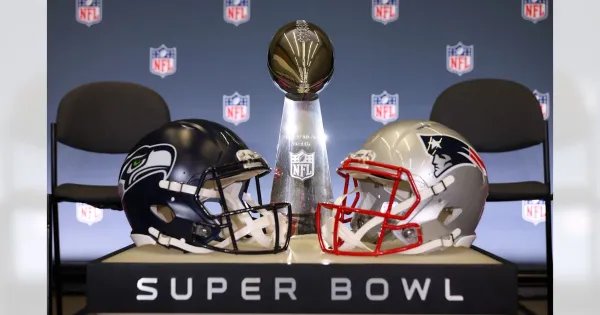

The biggest Super Bowl moments don’t always happen on TV.
That’s not a diminishment of the broadcast’s power. Instead it’s an expansion of the creative canvas around it.
Super Bowl 60 is primed for a massive creative reframing—one where relevance, proximity, and participation are increasingly gaining momentum. Culture moves faster than a single broadcast, and the brands that win on Sunday aren’t just the ones that show up during the game. They’re the ones that understand how to show up around it, and are designing quieter campaigns for the right people, in the right places, at the right time.
Brands that succeed here start by identifying where their desired cultural attention actually shows up––in the host city of San Francisco, a specific platform, or a community—and showing up with intent rather than sheer scale. The work is quieter, but often more precise.
Challengers that won around the fringes
Challenger brands have embraced this approach because they’ve had to. Without the budget or legacy presence, they look for the white spaces others often overlook or avoid. While some iconic Super Bowl ads trade on familiarity and repetition, which can be the right strategy for some brands, challengers have the unique opportunity to take smarter risks by showing up big in unexpected places.
Last year, Duolingo used their social accounts to comment on the program in real-time, from translations that threw shade at bad plays to dropping a music lesson on A minor to match up with Kendrik Lamar’s halftime performance.
It resulted in a ton of posts that were hitting product RTBs while making a cultural statement on the moment, leading to 41 million impressions and zero ad spend.
Although Liquid Death ran a Super Bowl ad last year and will again this year, back in 2022, it ran a regional ad that was so impossible to ignore they knew the talk value would make up for the lack of a national media buy. Intentionally controversial, it racked up over 300,000 views in conversations on X, but received over 4 million views via people reacting to it in places like TikTok.
And an earlier use of this tactic is also one of the most effective.
In 2015, Volvo asked fans to tweet the hashtag #VolvoContest every time any other car commercial aired to nominate someone for a new XC60, activating an already engaged fan base and offering them something tangible. This led to a 71% sales jump and earned roughly $44 million in organic media coverage.

