







Inside a new HP laptop, the copper in its heat sink comes straight from old HP devices—making the company the first to reuse its own recycled metal in a closed loop.
In partnership with HP, the New Zealand-based startup Mint Innovation took in circuit boards from thousands of old HP computers and servers, and then recycled them to supply pure refined copper back to the company. The process is designed to be more sustainable than traditional smelting. Instead of melting down metals in a furnace—an energy-intensive, polluting process—the startup uses a mix of chemicals and biology to recover valuable materials.
“What HP is effectively doing is mining e-waste of their own appliances,” says Mint president Matt Bedingfield. “They’re taking responsibility for their full supply chain to turn it into the next generation of devices.”
Old circuit boards are shredded and run through a series of tanks containing custom biological materials and chemicals that pull out metals like gold and copper. The “biosorption” process works like a magnet, using electrons to attract specific elements. When gold is dissolved, for example, and electrons are stripped from its surface, it’s drawn to biological matter with extra electrons.
Gold “is the economic enabler” for the process, Bedingfield says: “If you don’t recover the gold, you don’t make any profit. So after the gold, then we go and we recover the copper, then the silver, the tin, and the palladium.”
Copper is particularly important at the moment. “In the U.S. right now, we’re about a million tons short on copper,” he says. “Copper is required for every single bit of the energy transition. It’s required for the data centers that we’re building. So that gap is only going to grow. The HPs and Apples and other OEMs in other industries, they’re all looking for copper to begin with. And then they’re looking for sustainable copper.”
For HP, it’s part of a bigger push to help build new circular supply chains for the electronics industry. The quality of the recycled material is identical to new copper, the company says.

Mint recycles in batches, so it’s possible to directly trace that a recycled material came specifically from a particular manufacturer’s products; in a furnace, that’s impossible to track. The company has orders from HP to continue recycling additional batches of products, Bedingfield says.
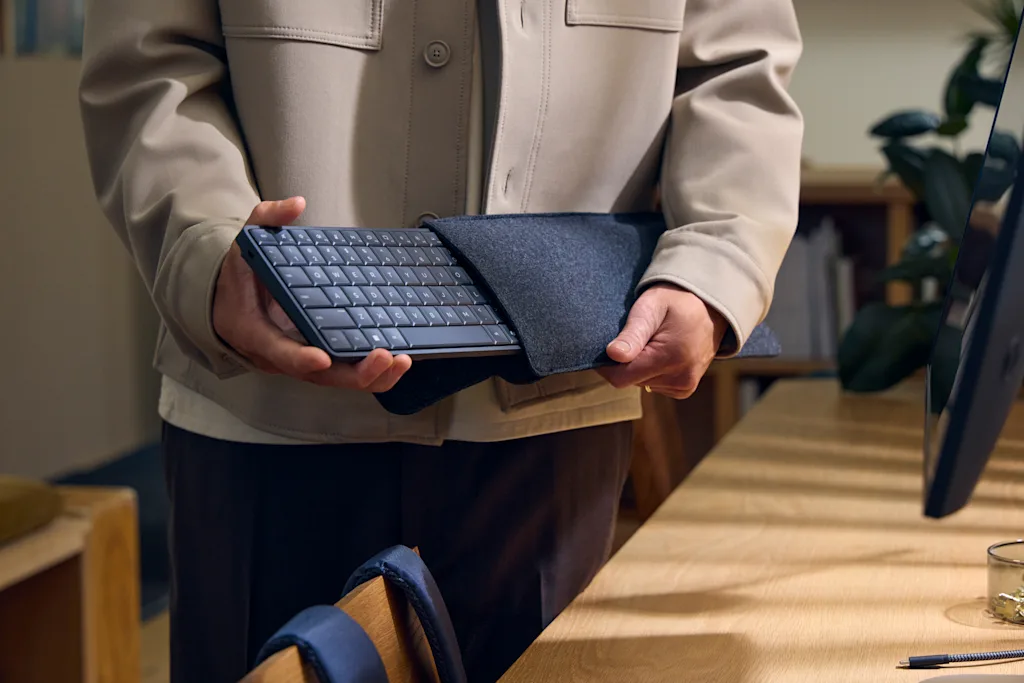
In its first project, HP used the recycled copper in heat sinks because it knew it had enough supply to outfit the HP EliteBook X G2 Series and HP EliteBoard G1a Next Gen AI PC. Future work could involve additional materials like gold. Scaling it won’t be simple: HP ships about 57 million laptops a year—second only to Lenovo, per Gartner—and brand-specific e-waste isn’t predictable. But the company is exploring how it can grow.
Mint currently works in an industrial-scale prototype facility in Australia, but is currently starting to build up a sample line in Texas. It’s aiming to secure long-term investment to build out a full new plant in Texas that could open next year.
The recycling facilities have a small footprint. “They’re designed in a way where we can go to the scrap,” says Bedingfield. “We’re able to go into cities and drop plants, so you’re not moving the material all around the world as is done today.”
Correction: This article has been updated to correct the location of Mint’s headquarters.

