




Key Takeaways
- Determined to create a peanut-butter based product, Lane connected with a supplier who had a proprietary ingredient.
- She pitched the concept to Target and had just a few months to raise money and get the brand on shelves.
- The founder looks forward to continued innovation — and emphasizes the value in a slower-growth approach.
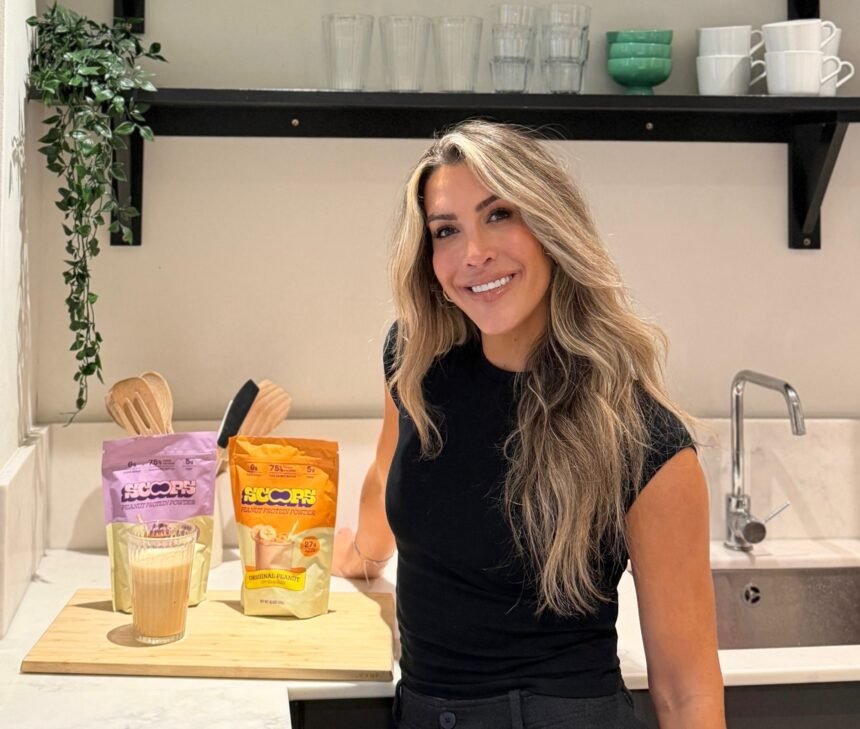
This as-told-to story is based on a conversation with Liz Lane, founder of plant-based peanut butter protein powder Scoops. The brand launched in Target in May and did $25,000 in sales in month one and $400,000 in sales last month. The piece has been edited for length and clarity.
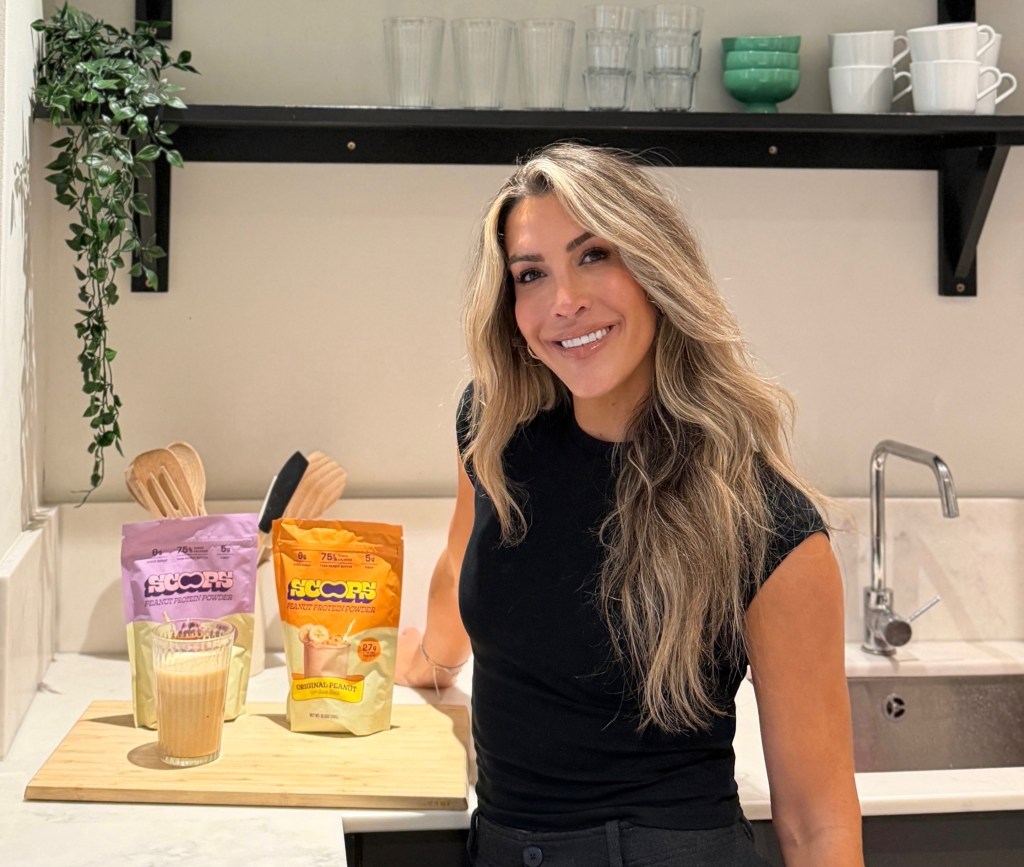
I’ve worked in food and beverage startups for the last 12-plus years. I would normally come in when a company was really early on and help them on the operations front. I’d done that for brands like Huel. I was their first U.S. operations person many years ago when the team was much smaller in the UK. Most recently, I was in-house at Magic Spoon. I came on board as one of the first hires and was there until about two, three years ago. I ran all the operations, so I saw that grow from really small to the massive brand it is now. When I left Magic Spoon, I started doing some consulting, helping a few different brands on the operations side scale or start.
So I’d done this quite a bit, but I always wanted to start my own brand. But I wanted it to be the right thing. Obviously, protein was massive. And, admittedly, even though I work in the better-for-you food space, I’m not the best eater. So I wanted to come up with a product that wouldn’t require me to change what I was already doing or eat a lot differently. Then a friend of mine who was vegan suggested we explore peanut butter. Because of course there’s a lot of protein in peanut butter naturally.
A supplier had a new peanut isolate about to hit the market
I wondered, Is there a way to make eating peanut butter more efficient? Is there something we don’t know about? As I explored that idea, I connected with a supplier who told me he was bringing a new peanut isolate to market. It would improve the macros and provide more protein without asking people to consume peanut butter in a different way.
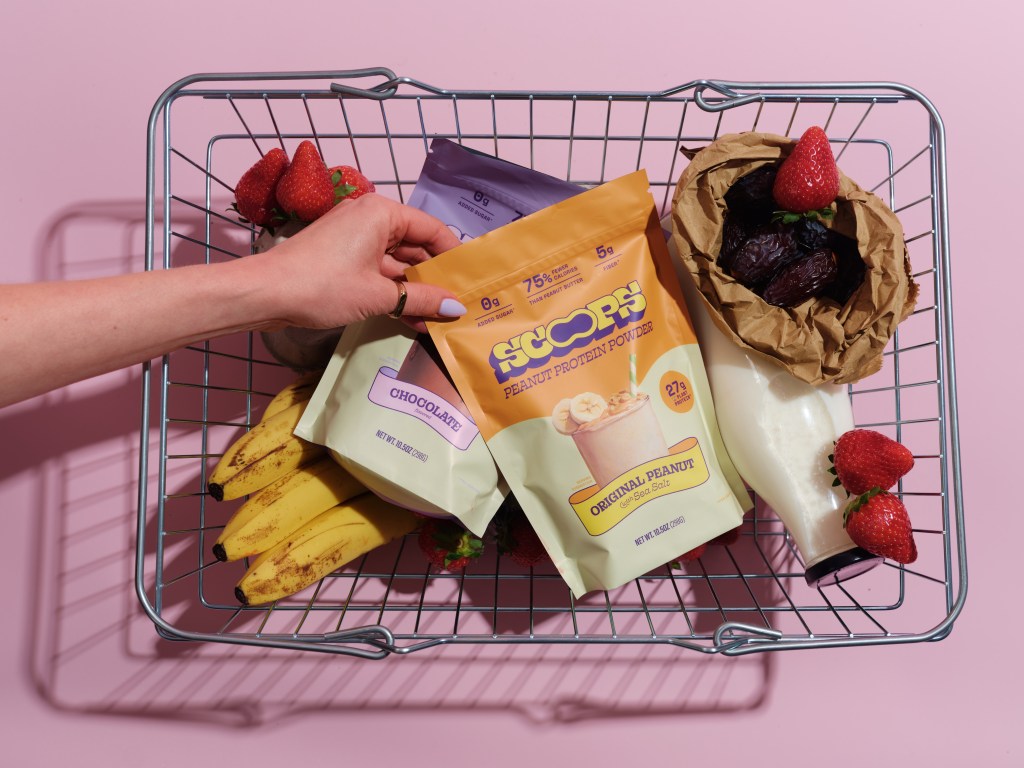
So I continued down that path and came to the conclusion that for a lot of adults, putting the peanut isolate in powder form is a better use case than peanut butter. I can’t really moderate. If I get a jar of peanut butter, I’ll just eat the entire jar. But powder’s easier to add to smoothies, overnight oats, cookies etc. And it has 75% less calories and 95% less fat. That means you can eat more of it, too.
Still, the product was really just a concept until I pitched it to Target. We had the branding and one sample. We planned to test it in a small number of stores, about 250 to 500. I pitched the idea at the end of July, early August 2025, and in December, we got the award for more than 1,100 doors. That was crazy because again, it wasn’t yet a brand — it was a concept. But Target was really excited and pushing newness in that space. So it was the right product at the right time. The goal was to be on shelves in May 2026, so we had about three months to raise money and make it happen.
Raising $500,000 from her supply chain to fund Scoops
I was able to raise about $500,000, mostly from my supply chain. The manufacturer and supplier I work with are two of the biggest investors, then a couple other ingredient suppliers and other professionals in the space. So not a traditional fundraising trajectory, but there was a level of trust. I’ve worked with them on so many brands, so they felt comfortable giving me money because they knew I at least knew how to run the business side.
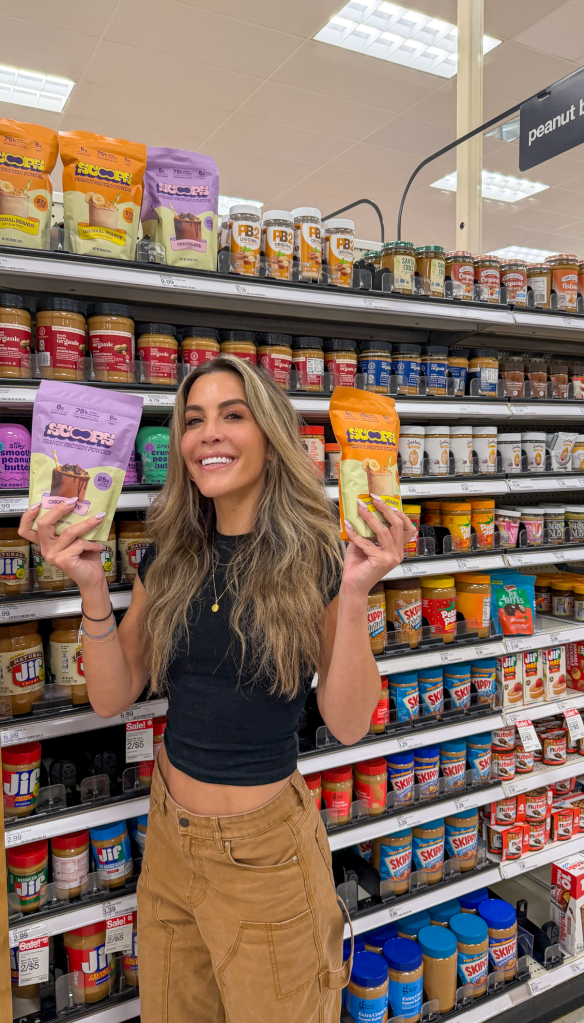
The day Scoops launched on Target shelves was the first day it existed. So we were trying to tell consumers we exist and what we are, all while trying to move velocity at Target. And we were doing it with limited funding because most of what we’d raised was spent on the inventory for Target. So we had to get creative. We did a lot with influencers, especially those who focus on Target finds, and gifting, just trying to get the product into everyone’s hands. We’ve only been on shelves for five months, so we’re still trying to get the word out. Target’s been a great partner. We’re currently still on an 11-week end cap, so that’s also helped with visibility. Scoops did $25,000 in sales during its first month — and that grew to $400,000 last month.
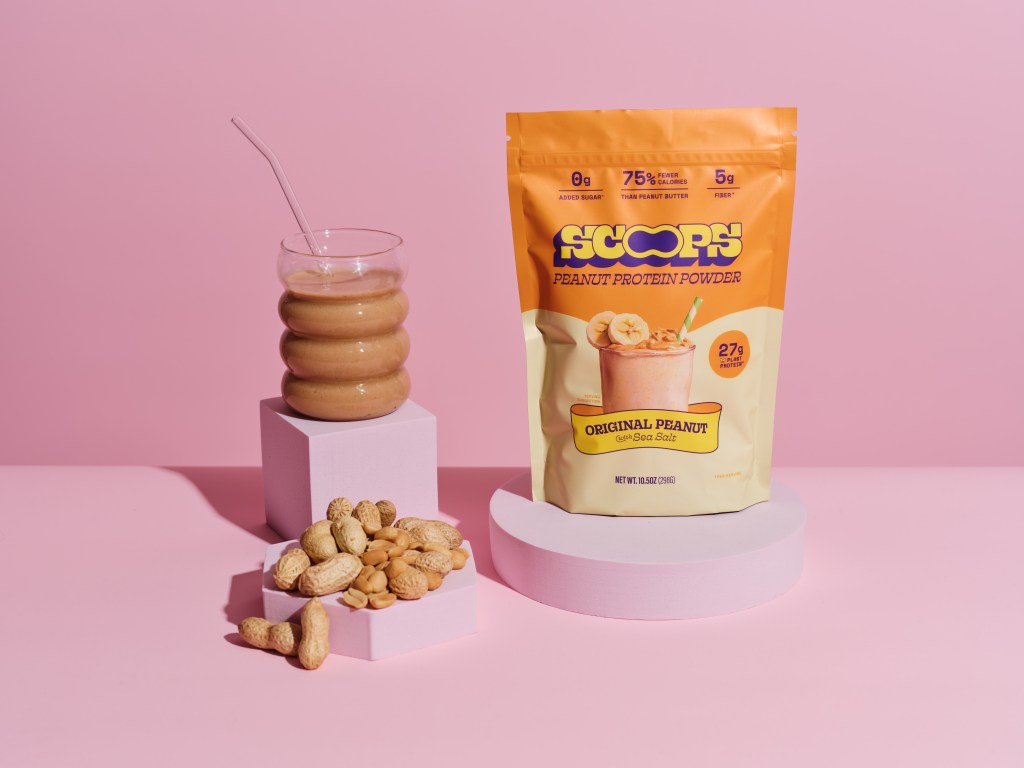
Growing slowly can also be an effective business strategy
Coming from fast-growing startups like Magic Spoon and Huel helped me understand how to respond quickly when things are happening and plan forward without planning too far forward — because that can put you in a scary position with cash. Of course, the CPG market is very competitive right now, but with our supplier, we have exclusivity in the U.S. for a period of time.
My goal has always been to create a product that outlasts the fads. I’m excited about innovation. We’re working on a couple of really cool things. I’m excited to hopefully build Scoops into a household brand. And I’m looking forward to hiring more people. I’ve got one person on my team, our chief marketing officer Lauren Browning, who has been a lifesaver. But it’s just been essentially two people doing this whole thing, which is crazy.
My advice for entrepreneurs hoping to break into the CPG space is actually the opposite of what I did because I didn’t plan to launch a brand this way: Growing slowly is a really good strategy. Nowadays, we see these massive exits and businesses tripling in revenue in a year or two. But it’s okay to build a small, sustainable business. That is still success. That’s how you can test the product and see if it’s what consumers want.
Also, you don’t necessarily have to reinvent the wheel. Some really amazing brands are improving or repositioning. Again, this is sort of the opposite of how I approached Scoops, but a brand doesn’t have to start with a totally new ingredient or idea. It’s about how you position the brand and run the business.
Key Takeaways
- Determined to create a peanut-butter based product, Lane connected with a supplier who had a proprietary ingredient.
- She pitched the concept to Target and had just a few months to raise money and get the brand on shelves.
- The founder looks forward to continued innovation — and emphasizes the value in a slower-growth approach.
This as-told-to story is based on a conversation with Liz Lane, founder of plant-based peanut butter protein powder Scoops. The brand launched in Target in May and did $25,000 in sales in month one and $400,000 in sales last month. The piece has been edited for length and clarity.
I’ve worked in food and beverage startups for the last 12-plus years. I would normally come in when a company was really early on and help them on the operations front. I’d done that for brands like Huel. I was their first U.S. operations person many years ago when the team was much smaller in the UK. Most recently, I was in-house at Magic Spoon. I came on board as one of the first hires and was there until about two, three years ago. I ran all the operations, so I saw that grow from really small to the massive brand it is now. When I left Magic Spoon, I started doing some consulting, helping a few different brands on the operations side scale or start.
So I’d done this quite a bit, but I always wanted to start my own brand. But I wanted it to be the right thing. Obviously, protein was massive. And, admittedly, even though I work in the better-for-you food space, I’m not the best eater. So I wanted to come up with a product that wouldn’t require me to change what I was already doing or eat a lot differently. Then a friend of mine who was vegan suggested we explore peanut butter. Because of course there’s a lot of protein in peanut butter naturally.

