





The small American bookstore is back. Over the last five years, the number of independent bookstores in the U.S. jumped by 70%. In 2025 alone, 422 new bookstores opened, according to the American Booksellers Association.
The industry’s success was far from inevitable. For a long time, indie bookstores were struggling. In 1995, when Amazon opened as the “Earth’s largest bookstore” and started undercutting the prices at brick-and-mortar stores, readers quickly started shopping online. Small stores, which were already facing competition from chains like Borders, started to close. By 2009, the number of independent bookstores across the country had dropped to an all-time low. Experts predicted that the industry would collapse. But then instead of continuing to declline, the numbers instead started to reverse The growth accelerated after the pandemic.
“If you step back and try to understand what really happened from 2010 to today, it is a story of resilience,” says Ryan Raffaelli, a professor at Harvard Business School who studies industries that beat the odds and survive in unexpected ways in the wake of technological change. Raffaelli has spent years researching the turnaround of indie bookstores. “It’s a story of hope. And it’s a story about the power of community.”
A new strategy for a digital threat
Soon after the rise of Amazon, some bookstores tried to compete directly with the online giant by adding more titles to their stores, Raffaeli says. But others eventually adopted a different strategy, doubling down on what’s uniquely possible in a physical space.
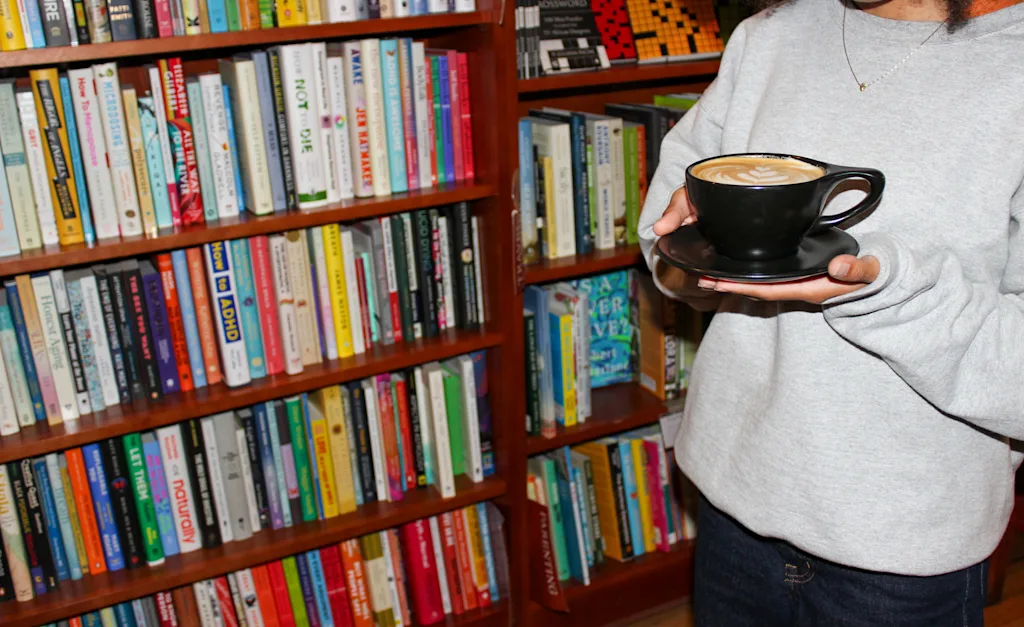
First, there’s the ability to convene people—something that small bookstores have always done with readings and other events, but that they’re doing even more now. Some stores have as many as 500 events a year. “These are not just author events, but birthday parties, all these other types of things that are inviting people into the actual physical space to engage with other like-minded individuals that are passionate about literary topics,” says Raffaeli. “People start finding their own tribe and they go, and I want to be around these people.”
They’ve also leaned into curation: “They start curating what’s in the stores quite differently than what you would experience if you were going on Amazon, where you have this algorithm that’s sort of saying, okay, here’s the last three things you bought, this is what you’d like,” he says. “Independents, because they’re so tapped into the author community, are often doing things to introduce readers to books and genres that the algorithm has yet to figure out. It’s unclear if it will ever figure it out.”
That’s possible because the people who work at independent bookstores are at the cutting edge of what’s happening in literary culture, he says. Amazon hasn’t duplicated that. (When Amazon tried to open physical bookstores itself, they quickly failed because they didn’t have the same foundation of book lovers choosing books, or any sense of authenticity.)

