




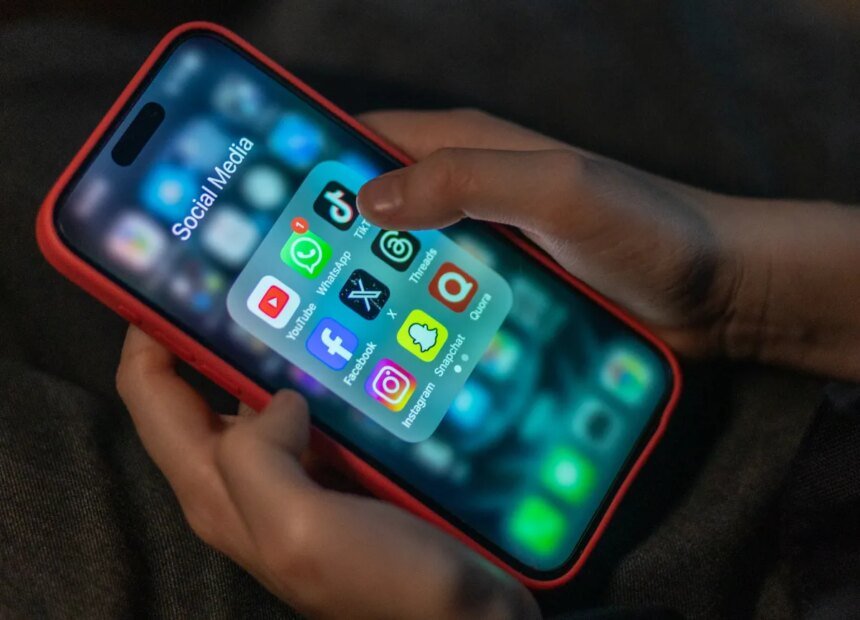

Indonesia will soon become the latest country to pass laws restricting children from accessing social media, following in the footsteps of Australia and its neighbor Malaysia.
But unlike Australia, which has banned users under 16 from social media altogether, Indonesia is taking a more age-gated approach to its restrictions.
Indonesia’s communication and digital ministry said on Friday that it would delay children’s access to social media platforms: Children 13 or older will be able to use platforms the country deems “lower-risk,” while “higher-risk” platforms will be only open to users above 16 years old.
Platforms deemed “higher-risk” include YouTube, TikTok, Facebook, Instagram, Threads, X, Bigo Live and Roblox, the country’s Minister of Communication and Digital Affairs, Meutya Hafid, said in a video posted to Instagram.
The measures are expected to be enforced one year after they’re signed into regulation on March 28, 2026.
Indonesia is not the only country passing age restrictions for social media use. Over the past few months, several countries have announced plans to restrict social media access for children and teens, including Denmark, Spain, France, Malaysia and the U.K.
Indonesia maintains the goal is not to stop children from using the internet, but to make sure they use it safely and at the right age.
Techcrunch event
San Francisco, CA
|
October 13-15, 2026
“This regulation does not impose sanctions on children or parents. Instead, sanctions target digital platforms that fail to meet their child protection obligations,” Hafid said. The rule is meant to prevent risks “ranging from exposure to harmful content and interactions with unknown individuals to child exploitation and addiction to digital platforms.”
Approximately 299 million Indonesians are connected to the internet, and nearly 80% of its children actively use online platforms, the ministry said.
The government, referencing UNICEF figures, said around half of Indonesia’s children have encountered sexual content on social media platforms, and 42% have admitted the experience made them feel frightened or uncomfortable.
The announcement comes a day after Indonesia issued a warning to Meta for not curbing online gambling and disinformation on its platforms.

