




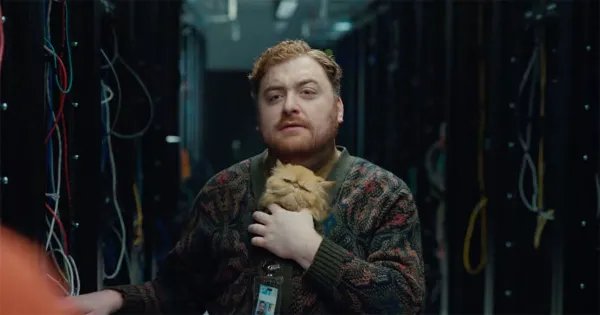

While the brainstorming sessions were full of funny personal stories, Freeland said the team wanted to capture moments that felt universal — ones that could make the campaign stretch even further than just the verticals and roles they were covering.
To ensure the humor landed, the creative team tested scripts, storyboards, and rough cuts with internal groups. Many jokes ended up on the cutting room floor.
“We said, ‘Unless we’re going to elicit a little smile and head nod,’ or ‘Unless we’re going to elicit an LOL moment for people,’ it’s not good enough and we’ll keep pushing,’” Freeland explained.
Knowing your audience
That unified comedic voice serves a strategic purpose: reaching the full range of roles LinkedIn’s users occupy. A LinkedIn member could be a premium subscriber, a manager, and a buyer of ads all at once. It was important to Freeland and her team to see their audience as a whole, rather than split them up.
“Having a singular way that we’re showing up ultimately lets every impression work harder,” Freeland said.
And at a time when social networks are facing controversy, LinkedIn wanted to highlight its platform’s virtues. Because it’s an environment that focuses on career growth and professional connection, users are incentivized to be authentic, she added.
“We’re a network of the people who you have met or looked up to or aspire to be,” Freeland said. “It really can be a place where people can feel inspired and optimistic about their careers or their businesses. We see that as a huge differentiator for us and really want to lean into that in our advertising as well.”

