





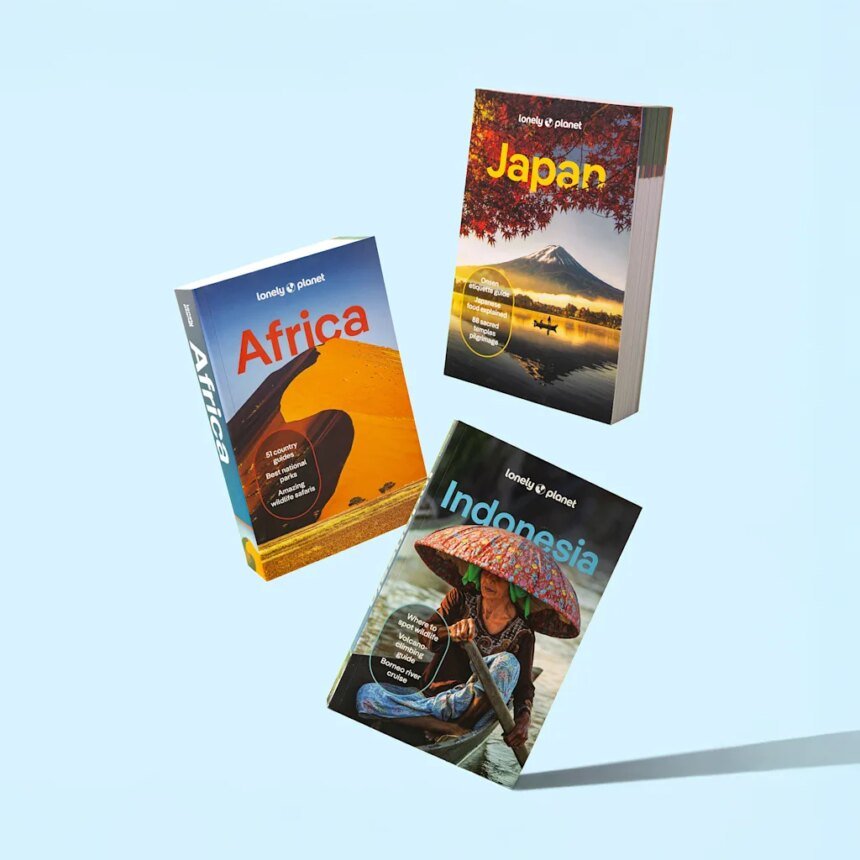

In my early twenties, I spent my summers backpacking through Pondicherry in South India, Yogyakarta in Indonesia, and Phnom Penh in Cambodia. I often traveled by myself, with my Lonely Planet guidebooks as my only companion.
Since the 1970s, these iconic blue books have helped generations of young travelers navigate off the beaten track around the world. Written by a network of 450 local writers and experts, I found the Lonely Planet guides crucial as I tried to figure out what neighborhoods were worth visiting, where to stay, how to avoid tourist traps, and what restaurants locals love.
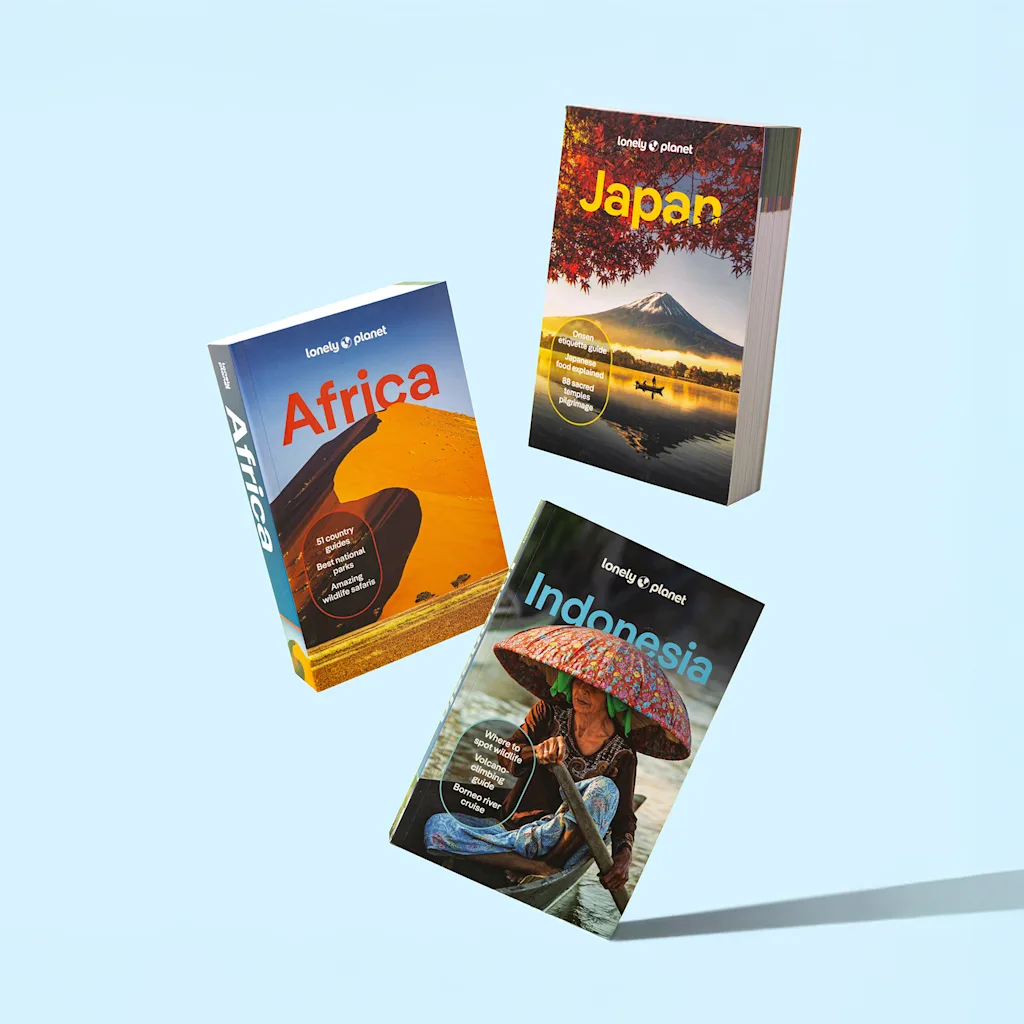
But as essential as these books are—they’re the top travel guidebook brand in the U.S.—they do have some drawbacks. On a recent trip to Kyoto, I found myself constantly transferring information from my book to my phone—pinning locations on Google Maps, writing out day-by-day plans on my Notes app. In the age of the smartphone, Lonely Planet could use a technology update.
Today, Lonely Planet is bridging the gap between its guidebooks and your phone. It’s launching an ambitious new mobile app packed with all of the knowledge and storytelling in its books, but outfitted with valuable features that travelers need as they’re planning trips and in the midst of traveling.
When you come across a museum or restaurant that intrigues you, you can save it onto an itinerary or map. When you’re caught in a downpour in Barcelona, you can use the app to find things to do nearby. And unlike other travel content on the internet, the Lonely Planet app isn’t bogged down with sponsored listings or a deluge of reviews from fellow tourists. The content is tightly curated by the same local experts and editors that craft Lonely Planet’s guidebooks. And while many features of the app will be free, some premium content will come with a fee.
The launch of the Lonely Planet app is a clear sign that this 53-year-old travel brand is moving beyond its roots as a publisher and now sees itself as a travel platform. But as the company embraces technology, one challenge it faces is figuring out how to nurture the success of its physical guidebooks—which are more popular than ever—even as it drives customers to the new app.
From Backpack to Platform
Lonely Planet was born in 1973, when Tony and Maureen Wheeler self-published a scrappy guide to travel through Asia. The premise was radical for its time: practical, irreverent travel advice aimed at young people with more curiosity than cash. The guidebooks became a phenomenon. Generations of travelers have collected them, proudly displaying them on bookshelves as a sign of a life well lived. In the aftermath of the pandemic, as travel picked up, the books grew in popularity, driven in part by a younger audience that Lonely Planet has been courting through Instagram and its own direct-to-consumer store.
“The brand became a community,” says Paul Yanover, who joined Lonely Planet as CEO a year ago. “People see the book tucked under someone’s arm—you’re traveling through India, I’m traveling through India—and there’s a bit of kinship.”

Yanover was among the many travelers who have relied on Lonely Planet guides to explore the world, but he also sees an opportunity to digitize the travel brand. He is well equipped for this task. He served as Fandango’s CEO between 2012 and 2022, finding ways to make it easier for movie-lovers to book tickets. Before Fandango, during his decade at Disney, he rose to managing director of Disney Online and helped fans engage with their favorite Disney content on the internet. These companies already had strong brands and scale; by incorporating more technology into their operations, Yanover felt like he could make them even more relevant to consumers.
He believes he can do the same with Lonely Planet. His goal is to digitize the beloved brand without losing the qualities that made it so special: expert knowledge and a powerful sense of community. “In some ways we’re on a mission to restore Lonely Planet to a form of what it already was,” he says. What it already was, at its best, was not just a publisher, but a living guide that connected people to places and to each other.
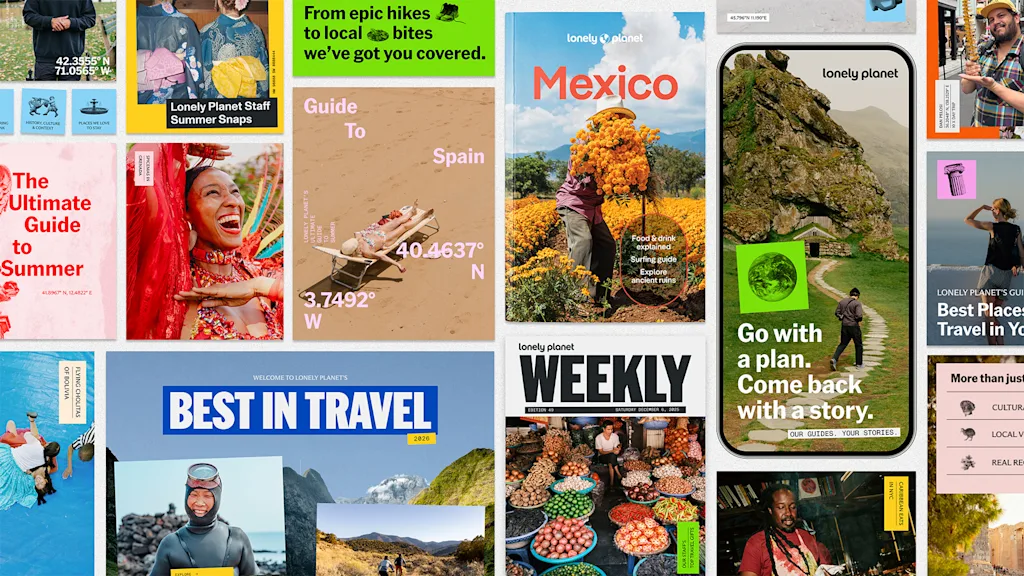
Over the past year, Yanover has laid the groundwork for Lonely Planet’s digital transformation: a brand refresh, a redesigned website, the launch of Lonely Planet Journeys (a curated travel concierge service powered by a network of local trip planners), and an expanding catalog of inspiration books alongside its flagship guidebooks. The app is the capstone.
How The App Works
The app is built around a theory of how people actually plan travel. It begins with a spark of inspiration, which then leads to collecting bits of information: what cities to visit, what neighborhood to stay in, what to see and eat. “There’s an enormous amount of information you’re collecting from friends, a magazine, Instagram, your Lonely Planet book,” Yanover says. “Then what do you do? You reduce it.”
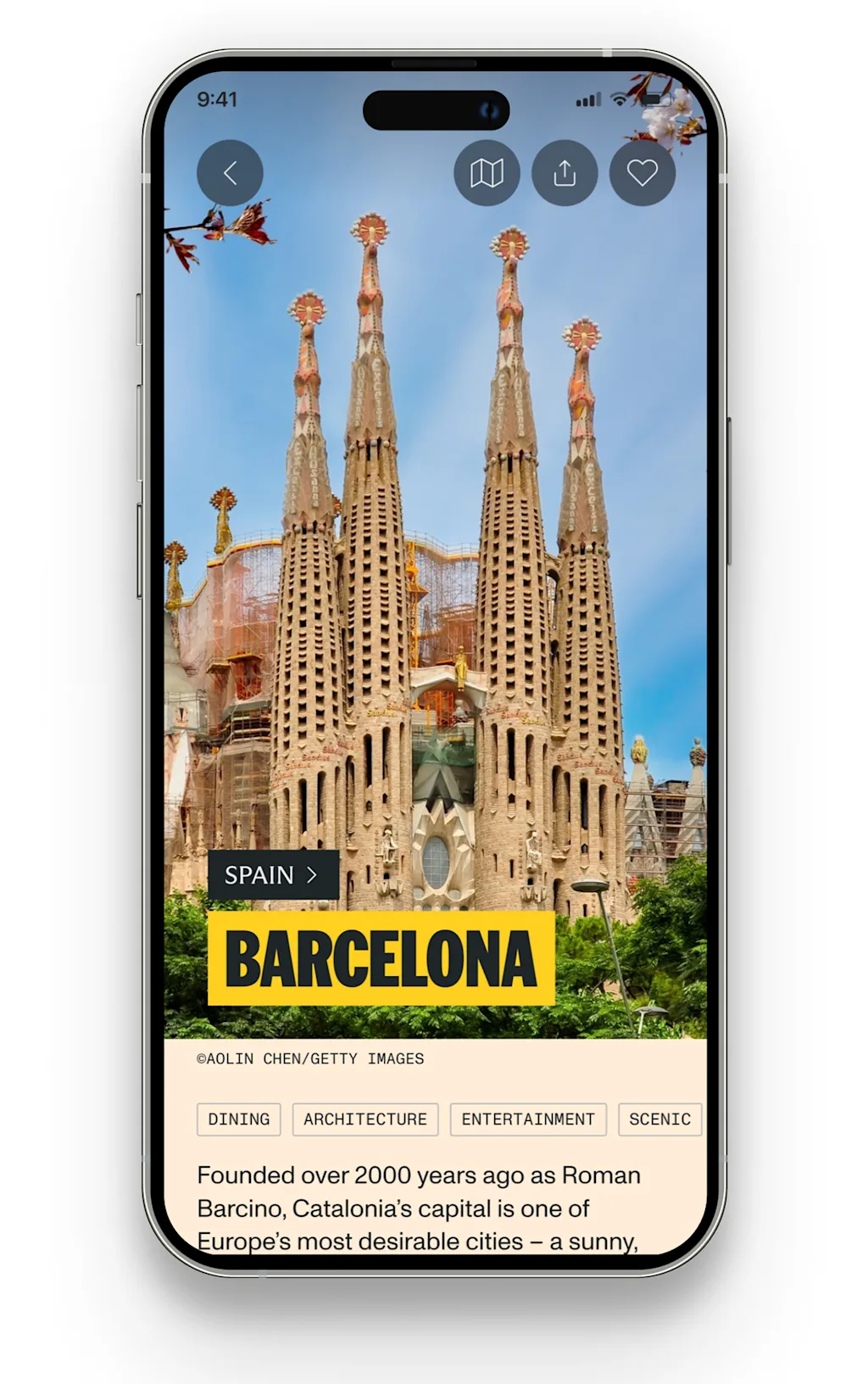
The app is designed to mirror that journey. It has four core sections. Discover is the inspiration engine—scrolling, article-based, full of vertical video and curated picks. (Think: “Five coffee shops you have to visit in Mexico City,” or “The next great undiscovered beach in Spain.”)
When you have picked where you want to go, you move to Guides: reimagined digital guidebooks that go deep on a particular city. “At the core of the app are our in-depth destination guides driven by our local experts,” says Aly Yee, who leads digital business. “Every recommendation comes from someone who’s actually been there.”
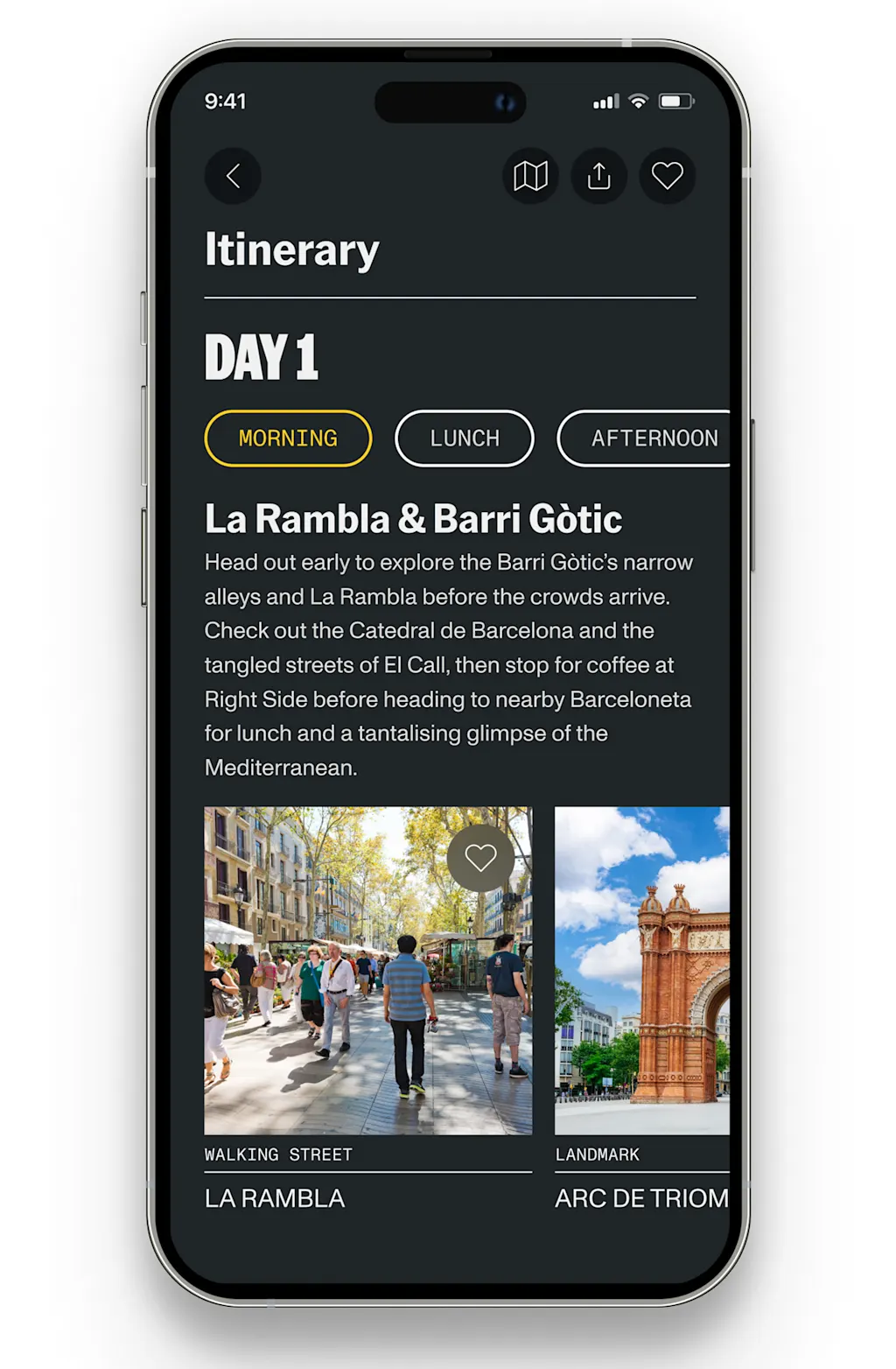
My Planet is the collection space, where you can save anything from Discover or Guides. And the Trip Builder is where it all comes together into an actual itinerary, complete with a map updated with all your saved places and the ability to drag and drop items, distinguish between firm commitments and loose possibilities, and organize by day. “The trip building tools are really focused on allowing you to customize it to the way that you travel,” Yee says. “You can craft itineraries using samples from our experts and then drag and drop things to make it personalized.”
The app also has a distinctive in-destination mode. As you arrive somewhere, it shifts—surfacing expert picks nearby, so you’re never starting from scratch, never staring at your phone trying to remember which restaurant you bookmarked six weeks ago. After all, a trip rarely goes exactly as planned, so you need to be able to pivot quickly when it suddenly starts raining or you decide you’re tired of museums.
Development kicked off about a year ago, led by Neil Ishibashi, who runs product and design, working alongside Yee. They brought in outside partner Arctouch to help build and deliver the product.
At launch, users will get the full experience for free, as Lonely Planet gathers information about how people actually use the app. But over time, users will be able to pay for individual guides, or unlock all the content through an annual membership that will also include other perks, like members-only books or better pricing on Lonely Planet Journeys.
The Future of Travel—and the Humans Who Will Guide It
The experience of travel is changing. AI is upending search and recommendations, synthesizing millions of online reviews. Social media is flooded with travel inspiration from influencers sponsored by hotels.
And yet, paradoxically, Yanover believes there’s a growing hunger for something more grounded—human perspective, editorial taste, the kind of insight that can’t be replicated by a large language model. “Our unique differentiator, especially in today’s AI world, is that we’re a human-powered network that’s providing advice and insight and recommendation,” Yanover says.
That’s not to say that Lonely Planet is avoiding AI. But rather than simply using it to generate algorithmic itineraries, Lonely Planet is exploring how it can make the human guides more accessible. In the app, there will be an agent trained on all the Lonely Planet guidebooks and experts: AI as a means to access human expertise, not replace it.
Ultimately, Yanover believes that Lonely Planet’s place in the digital age isn’t about offering more efficiency, but contextualizing your trip with storytelling and local insight. This is, in fact, similar to what the original yellow-and-green books offered to a generation of backpackers: a trusted friend who’s been there, who knows the history, who has taste, and who can help you make the trip your own.

