






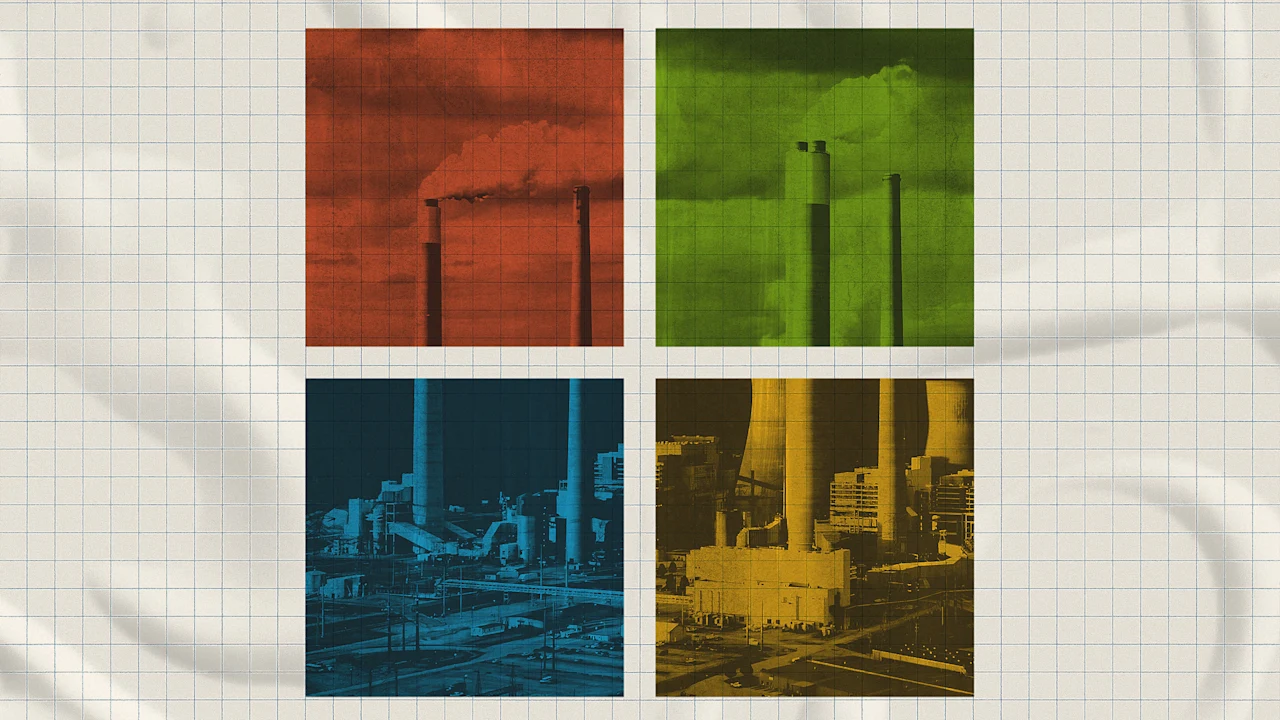
Microsoft’s recently announced use of a West Virginia data center that will run entirely on natural gas could cause the company’s emissions to skyrocket by 44%.
That’s according to a new report from Stand.earth researchers, who say Microsoft’s power needs at the facility will see it burning the same amount of methane as annually as more than 1.2 million homes.
The data center, called the Monarch Compute Campus, is an example of a “behind-the-meter” or “off-grid” data center, which generates its own electricity, bypassing the public grid.
With the growth of AI data centers threatening to overload the electricity grid and raise residents’ energy bills, these sorts of projects have been praised for avoiding those effects. Though they don’t directly affect the power grid in their areas, natural gas-powered data centers still carry hefty environmental toll.
What is the Monarch Compute Campus?
Technically, the Microsoft doesn’t own the data center it will be using. As of last week the 2,250-acre Monarch Compute Campus is owned by Nvidia-backed cloud computing startup Nscale.
Nscale buys AI processors, installs them in data center servers, and then leases those processors to AI developers, according to the Wall Street Journal.
Microsoft signed a letter of intent in mid-March to lease 1.35 gigawatts of AI computing capacity (via Nvidia chips) from the Monarch Compute Campus.
Microsoft will be just one portion of the entire data center complex. The campus has a full planned capacity of 8 gigawatts in 2031. When that capacity it reached, it means Microsoft and the other data center clients will together emit 25.55 million metric tons of CO2 annually—the same amount as putting nearly 6 million cars on the road.
AI and Natural Gas
The Monarch Compute Campus is just one of the facilities powering the AI boom, which is fueling a surge in natural gas development. Proposals for new natural gas plants in the U.S. tripled in 2025 compared to the year prior, according to nonprofit research organization Global Energy Monitor. The U.S. now has the most gas-fired power capacity in development out of any country, with more than a third of that capacity slated to directly power data centers.
Behind-the-meter data centers can be particularly environmentally harmful, per Stand.earth, because they are often built with smaller, less-efficient gas turbines. Natural gas is primarily made of methane.
That has real consequences for the neighborhoods around the data center complex. A recent Virginia Commonwealth University study found that on-site power from methane gas and diesel generators for a single data center in Virginia could lead to $53 to $99 million in health-related costs.
How does the project fit with Microsoft’s climate goals?
The analysis from Stand.earth Research Group about this project’s environmental impact builds on, and verifies, estimates recently published by journalist and analyst Michael Thomas.
The research highlights how, in the rush to bring data centers online, companies like Microsoft “are essentially abandoning their pledges to protect the climate,” Rachel Kitchin, senior corporate climate campaigner at Stand.earth, said in a statement.
Microsoft has committed to reducing its carbon emissions, with a goal to become “carbon negative” and to power its data centers with carbon-free energy by 2030.
“You can’t claim to be a leader on climate and then build out massive fossil-fuel facilities that emit millions of tons of climate pollution and poison the people living next door,” Kitchin added.
In response to a request for comment about the Stand.earth emissions estimates, and how emissions from data centers fit with Microsoft’s climate goals, a spokesperson told Fast Company that Microsoft’s letter of intent with Nscale “represents our investment in scaling AI compute capacity. As we grow our Cloud and AI infrastructure to respond to short and long term customer demand, we take a portfolio approach to energy, using different power sources across our data center fleet based on local conditions, grid readiness, and long‑term goals.”
The spokesperson added, “This flexible approach allows us to bring capacity online faster, ensure reliability, and limit strain on local grids while continuing to invest in efficiency and carbon‑free energy for the future.”

