





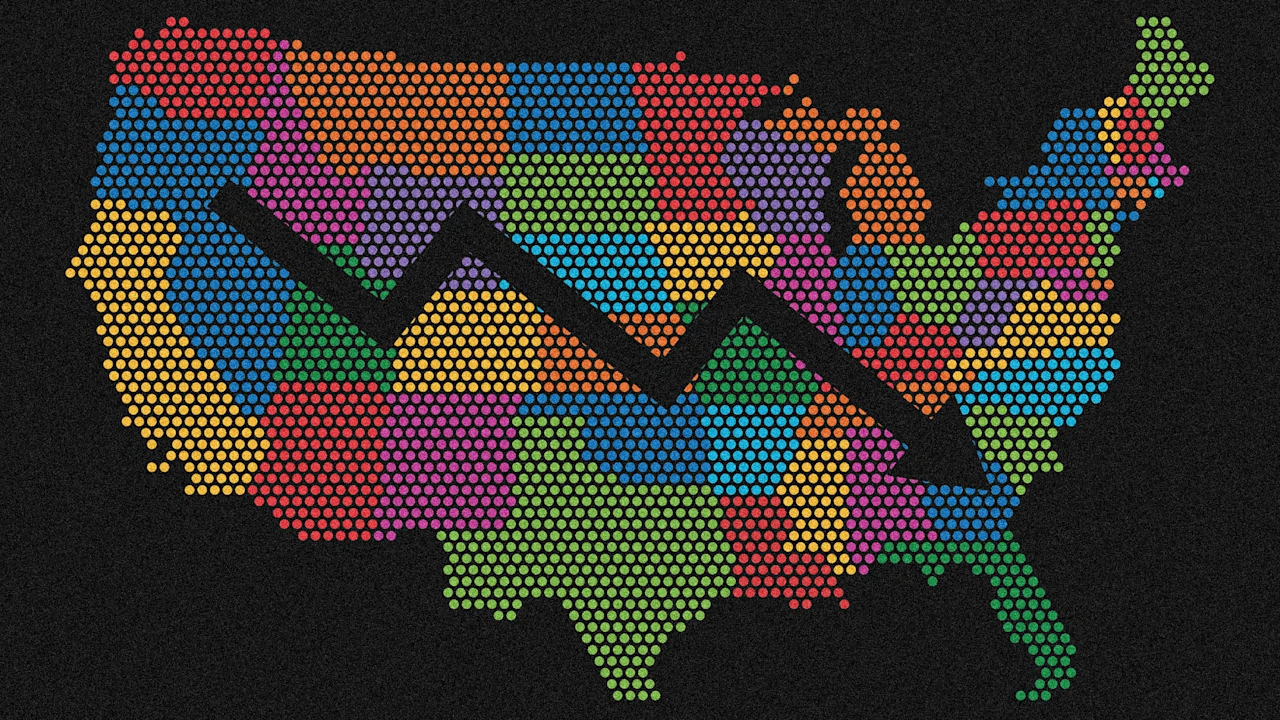
Americans lived through the worst bout of inflation in about 40 years at the start of this decade, but the sting of higher prices differed significantly depending on where you live. Even though wages also rose during that period, residents of only nine states have actually come out ahead, according to a new study.
From 2020 to 2024, consumer prices for things like housing, groceries, energy, and everyday essentials climbed 21%, as measured by the consumer price index. During that same period, the average American worker’s pay rose 18%, from about $64,000 to $75,600, according to figures from the Bureau of Labor Statistics.
Those differences illustrate what many Americans have experienced: Inflation erased much of the apparent progress of wage increases, according to a recent analysis by MyPerfectResume, an online resume building site. In fact, the typical U.S. worker is now earning approximately 2.6% less in real terms—after adjusting for inflation and cost of living—than in 2020, the study found.
“The findings highlight a crucial truth: A high-paying job doesn’t automatically mean a higher standard of living,” Jasmine Escalera, a certified career coach who provides career advice for MyPerfect Resume, wrote in the report. “The nation got a pay raise on paper, but a pay cut in reality.”
That’s because inflation has erased years of progress and workers’ paychecks aren’t stretching so far, according to MyPerfectResume, which didn’t immediately respond to an interview request from Fast Company.
And despite a recent claim by President Donal Trump that inflation has been “defeated,” economists expect it to tick up from a 2.7% annual rate in 2025. Inflation is forecasted to increase at an annual rate of 2.9% in 2026, according to the consensus forecast of about 50 professional economic forecasters surveyed by the Federal Reserve Bank of St. Louis.
WHERE WORKERS CAME OUT AHEAD
The sting of inflation hasn’t been the same for all Americans. Residents in 40 states lost purchasing power from 2020 to 2024, while Utahns saw no change in their standard of living during that same period, MyPerfectResume found, based on an analysis of the changes in real earnings and purchasing power across all 50 U.S. states from 2020 through 2024.
But Americans in the following nine states, mostly concentrated in the West and South, saw their paychecks stretch farthest:
- Idaho: +3.1%
- Florida: +2.6%
- Washington: +2.3%
- Montana: +2.3%
- Wyoming: +1.8%
- South Carolina: +1.5%
- North Carolina: +0.9%
- Tennessee: +0.9%
- Maine: +0.5%
“Workers there actually came out ahead once inflation and local prices were taken into account,” Escalera wrote.
WHERE WORKERS ARE FALLING BEHIND
Workers in the vast majority of states, however, are grappling with higher paychecks that feels like less money to spend on essentials.
The analysis pointed to particular pain for workers on the East Coast, where the decline in real purchasing power from 2020 to 2024 was worst—led by New Jersey:
- New Jersey: -7.0%
- Rhode Island: -6.9%
- Maryland: -5.4%
- New York: -5.3%
- Massachusetts: -5.3%
“For workers in these states, nominal wage growth was insufficient to keep pace with inflation and high living costs, in some cases prompting workers to choose job security over career moves,” Escalera wrote.
SIDE GIGS
To grapple with paychecks that buy less today than they did just a few years ago, many Americans rely on supplemental income or side gigs.
In fact, MyPerfectResume conducted a recent survey that found that 72% of American workers currently rely on at least one source of secondary income, with the majority citing inflation as making such side gigs more necessary.
“What began as a stopgap during high inflation has transformed into a long-term financial strategy, shaping how Americans navigate rising costs, stagnant wages, and economic uncertainty,” Escalera wrote in that report.

