



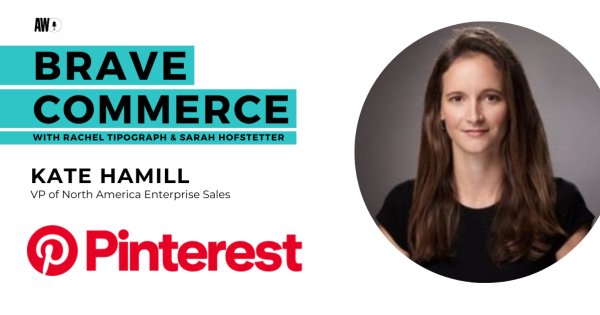




In this episode of Brave Commerce, Rachel Tipograph and Sarah Hofstetter sit down with Kate Hamill, VP of North America enterprise sales at Pinterest, to unpack how the platform is evolving from an inspiration engine into a more measurable driver of commerce outcomes.
Kate shares how Pinterest is compressing the funnel between discovery and conversion, and how brands can think differently about visual-first experiences across the shopping journey.
The conversation also dives into why social search is capturing more search budgets, how Pinterest’s AI powers proactive discovery, and why modern measurement approaches—including MMM, MTA, and incrementality—matter more than last-click attribution as consumers shop across weeks and devices.
From CPG to emerging non-endemic categories, Kate explains how brands can reach consumers earlier in the journey and better understand their impact on growth.
Key Takeaways:
- Social search plays a critical role in demand creation, not just demand capture
- Visual search helps brands engage consumers before preferences are fully formed
- Incrementality and triangulated measurement are essential to understanding impact
- AI-powered discovery experiences support both inspiration and performance
.page-template-page-full-width #aw-nav-root.position-absolute .nav-right-col, .page-template-page-full-span #aw-nav-root.position-absolute .nav-right-col{gap: 1.5rem !important;}
[data-bs-theme=”dark”] div[style*=”linear-gradient”][style*=”#fff”] {
background-image: linear-gradient(
0deg,
var(–bs-body-bg) 0%,
color-mix(in srgb, var(–bs-body-bg) 0%, transparent) 100%
) !important;
}

