






“We know our patients love the experience and convenience, and trust our expertise,” he continued. “We wanted an ad that’s entertaining but will also resonate with patients.”
The GLP-1 boom
Ro’s Super Bowl push comes as GLP-1 use grows rapidly. In the U.S., 12% of adults say they are currently using a GLP-1 drug, up from 6% who said the same in 2024, according to a KFF survey. Americans spent $40 billion on appetite-suppressing drugs in 2024, a figure that is projected to triple by 2030, according to Grand View Research.
Earlier this month, Danish pharma giant Novo Nordisk released the first GLP-1 pill for obesity, and rival Eli Lilly is planning to release its own version later this year.
As the GLP-1 category enters its next chapter, marketing around the drugs is also maturing.

Last year, Hims & Hers, another direct-to-consumer telehealth provider, ran its first Super Bowl ad pushing for greater access to weight loss drugs.
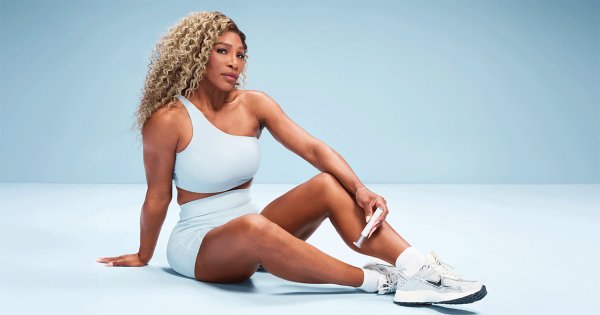
Ro’s deal with Wiliams was one of the early examples of a celebrity brand partnership in the GLP-1 market.
Beyond its Super Bowl ad with Williams, Ro’s campaign will share a broader range of stories from other real patients, such as Hannah Nylander-Asplin, a Minneapolis-based runner who lost 75 pounds over 18 months, and Deanna and Mitchell Taylor, an Atlanta-based husband and wife who together lost 41 pounds on Ro.
The patients represent “different lives and starting points, but the same underlying story… dispelling the myth that [GLP-1 use] is just for vanity,” Rahmanian said.
“We’re using the Super Bowl moment to make sure people are aware there are options – in an inspiring and memorable way,” he added.

