



A recent study by the Brookings Institution found that Black-owned employer businesses have blown past the 200,000 mark for the first time ever, collectively accounting for 1.8 million jobs and $249 billion in revenue.
But the growth comes despite persistent challenges. According to data firm WifiTalents, Black entrepreneurs start off with a third less capital than their white counterparts, receive just 1% of venture-capital funding, and often cite lack of mentorship as a growth impediment.
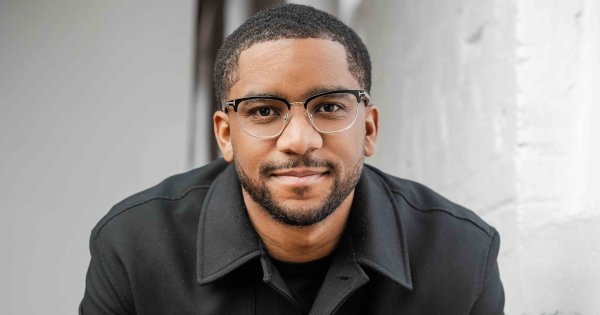
Few understand these dynamics better than Ryan Wilson. In 2019, the Atlanta native recognized the need for a club where Black entrepreneurs could convene, co-work, and make professional connections. Today, The Gathering Spot is an Atlanta institution “where business deals are made, ventures financed, and community initiatives take hold,” according to Black Enterprise.
Brandweek, ADWEEK’s three-day marketing summit, will host an evening social at RETREAT, The Gathering Spot’s rooftop venue, from 7:00 -10:00 p.m. on September 15. In advance of the function, we sat down with Wilson to talk about Black businesses, the Black dollar, and what major brands frequently get wrong about both.
ADWEEK: We’re wrapping up Black Business Month, when it’s common for major retailers and credit cards to spotlight Black-owned businesses and encourage people to shop with them. Do you have any thoughts on why these brands don’t encourage support of Black-owned businesses all year long? Are they missing an opportunity because they don’t?
RYAN WILSON: The biggest mistake is treating Black businesses and Black consumers as a moment on the calendar instead of an important part of the economy and culture every day of the year.
Black Business Month can be a great catalyst for attention, but the goal should be to build relationships that extend well beyond August. If a company only engages Black-owned businesses when there is a campaign or cultural moment attached to it, that engagement can start to feel transactional rather than authentic.
Yes, I think brands are absolutely missing an opportunity when they take that approach. Supporting Black-owned businesses isn’t simply a social-impact strategy; it can also be a smart business strategy. These businesses are creating products, employing people, building communities, and shaping culture. The brands that understand that will build deeper relationships and, ultimately, greater trust.


