




Liaukonyte, Tuchman, and Zhu tracked real purchase data during the Goya Foods boycott of 2020. Goya’s sales went up 22 percent. The boycott triggered a counter-movement that overwhelmed the original campaign entirely, and within three weeks, neither had left any measurable trace on Goya’s numbers.
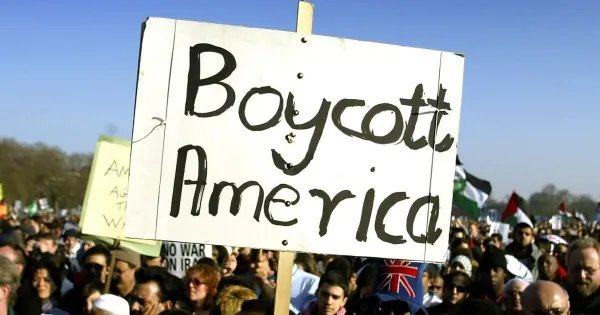
The literature is unambiguous: Boycotts rarely move the sales needle. They almost never change the underlying issue.
None of this is meant to suggest that Scott Galloway is anything other than what he demonstrably is: America’s most famous marketing professor, a genuinely brilliant thinker, gifted writer and one of the country’s most skilled media performers.
The larger problem is that Galloway is far from alone. Right now, boycotts are multiplying like particularly energetic black mold. From the left: the People’s Union USA targets Amazon, Walmart, Target, Starbucks and Home Depot. A separate ICE-focused list adds AT&T, Microsoft, Dell, Comcast, FedEx, Marriott, Salesforce, and Spotify as “active enablers.” From the right: Nike, Disney, Netflix, Ben & Jerry’s, North Face, REI, Patagonia, BlackRock, Kohl’s, and Kellogg’s are variously condemned for the opposite sins.
In a move of genuine negative ambition, The Big Beautiful Boycott adds ten new companies every Saturday, like some sort of activist advent calendar. Its cumulative list now reads like the Fortune 500 with worthy side notes.
And what about Canada, eh? Our northern neighbours are attempting to boycott America’s entire production inventory. Given that 75% of all Canadian imports originate in the United States, this would represent a staggering act of collective sacrifice. Maple syrup and stoicism only get you so far.
Complying with even a fraction of the boycotts currently running would leave you devoid of groceries, streaming, smartphones, coffee, hotels, ride-sharing, mainstream beers, trainers and internet access. You would essentially be living in a yurt, existing on rainwater and carrion, wearing underwear woven from weeds, and getting your nightly entertainment from the occasional meteor shower.
Even in the celebrated cases of Bud Lite and Target, where boycotts do appear to take a chunk out of each brands sales and result in a change in direction you can make a strong argument that there pre-existing declines (Target) and horrendously misplaced brand management were really to blame, rather than the boycotts themselves.

I propose a different path. The 4,512th boycott of the year. Call it, The Boycott of Boycotts.
No app. No website. No hashtag. No media appearances. No weekly list of fresh targets. Its single founding principle: Each of us decides privately and personally what to purchase and what not to purchase, based on our own preferences, budgets and values.

