




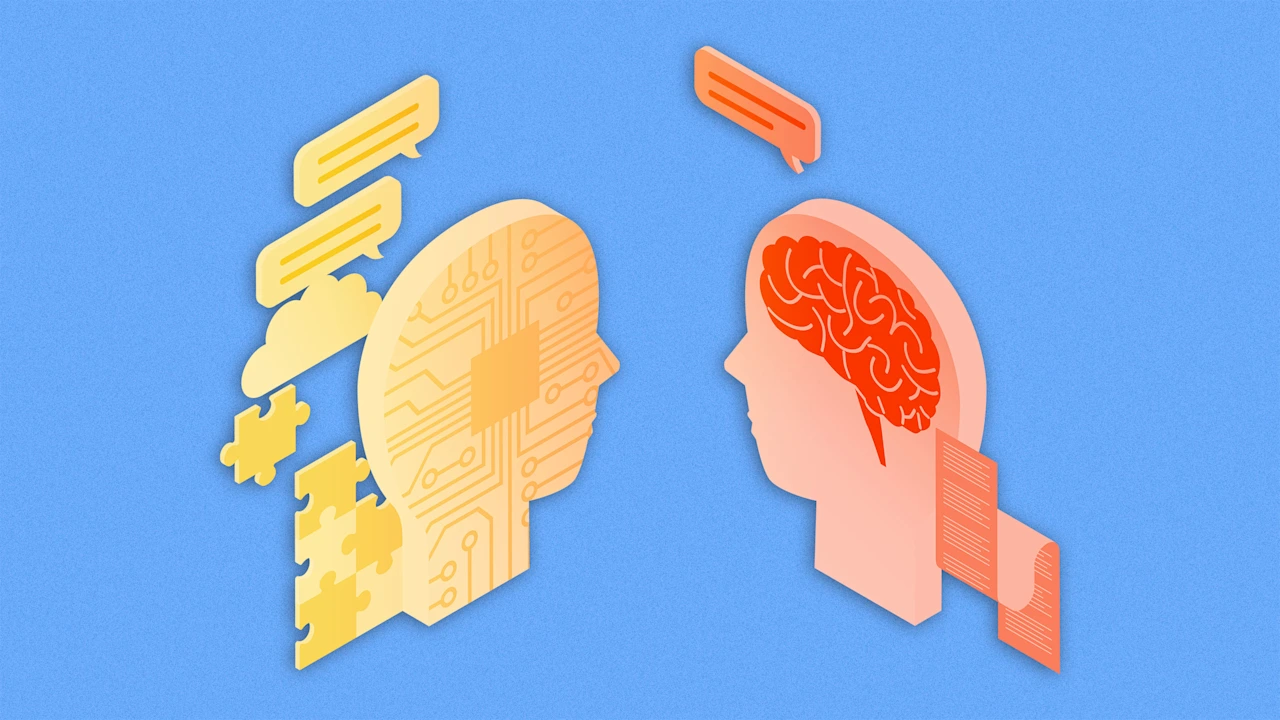
The AI behemoth Anthropic released a report this week about the widening “AI skills gap.” In it, the research suggests that a widening gap may be emerging between those who use AI frequently for work and those who don’t.
The report data shows that those with at least six months of experience with the company’s chatbot, Claude, have a higher success rate when collaborating with the system than those without. This can lead to an advantage in an ever-changing labor market landscape as AI becomes an integral part of the job market.
In an interview with TechCrunch, Anthropic’s head of economics, Peter McCrory, spoke about how the report does not yet prove a broader shift towards automated employment. “There’s no material difference in unemployment rates” for those who use the company’s AI chatbot for the “most central task of their job in automated ways,” McCrory said, pointing to professions like technical writers, data entry clerks, and software engineers rather than those who work in careers that need “physical interaction and dexterity with the real world.”
However, Anthropic’s CEO, Dario Amodei, has said in the past that AI has the potential to decimate entry-level white-collar jobs and “push unemployment as high as 20% within the next five years,” Axios reported last year.
McCrory continued telling TechCrunch, “Displacement effects could materialize very quickly, so you want to establish a monitoring framework to understand that before it materializes so that we can catch it as it’s happening and ideally identify the appropriate policy response.”
The report comes at a time when companies from banking to retail are working to integrate AI into their employees’ workflows—however, they often do so without proper training or support, TechBuzz writes. “Teams with uneven AI adoption rates report tension and confusion about workflows, with power users racing ahead while others struggle to keep pace.”
This falls in line with an article recently published by Axios that explained how America’s next class war will be between the AI literate and the inexperienced user. The columnists Jim VandeHei and Mike Allen write that most people think of AI as a tool, but argue that it should be seen as a toolbox. The writers urge people to “move up the AI proficiency ladder,” saying, “Using a large language model as a search engine or copy editor is dumb AI. Even having it draft emails for you is like having a celebrity chef boil your water.”
Of course, an AI company arguably stands to benefit from putting out a report encouraging use of their product—and upskilling isn’t always easy or clear-cut. But the bottom line is that there is a lot of anxiety about the implementation of AI, what it means for workers, and what it means for the future of their jobs.
However, the experts suggest that it’s less about “robots taking your jobs” and more about learning to collaborate with AI to be more efficient in your work. Even if you’re not an early adopter, there’s still time to catch up.

