




As the U.S. and China battle over technology, tariffs, and global influence, one question still looms for Europeans: what is Europe’s edge?
That was the question recently posed by 21st Century, a Copenhagen-based think tank that collaborates with policymakers and thought leaders to explore the future of Europe. According to Johanna Fabrin, managing director and partner at 21st Century, the answer lies in the EU’s regulatory backbone—think GDPR-level data protection, rigorous environmental standards, and food‑safety rules. “From a consumer perspective, knowing that if something is made in Europe, there will not be arsenic in it, there’s that trust that is important,” she says.
To convey that trust, the team has proposed a “Made in Europe” label that would signal quality, safety, and adherence to European standards. Similar to the CE label, which signifies that a product meets EU health, safety, and environmental protections, companies could display it on products to help consumers make informed decisions. The ultimate goal? To elevate the European brand as one that is trusted.
‘Debrandifying’ the label
“Made in Europe” was developed in collaboration with British studio Dada. But it is more than a label—it’s a certification. “A symbol of trust,” says Alice Shaughnessy, head of operations at Dada.
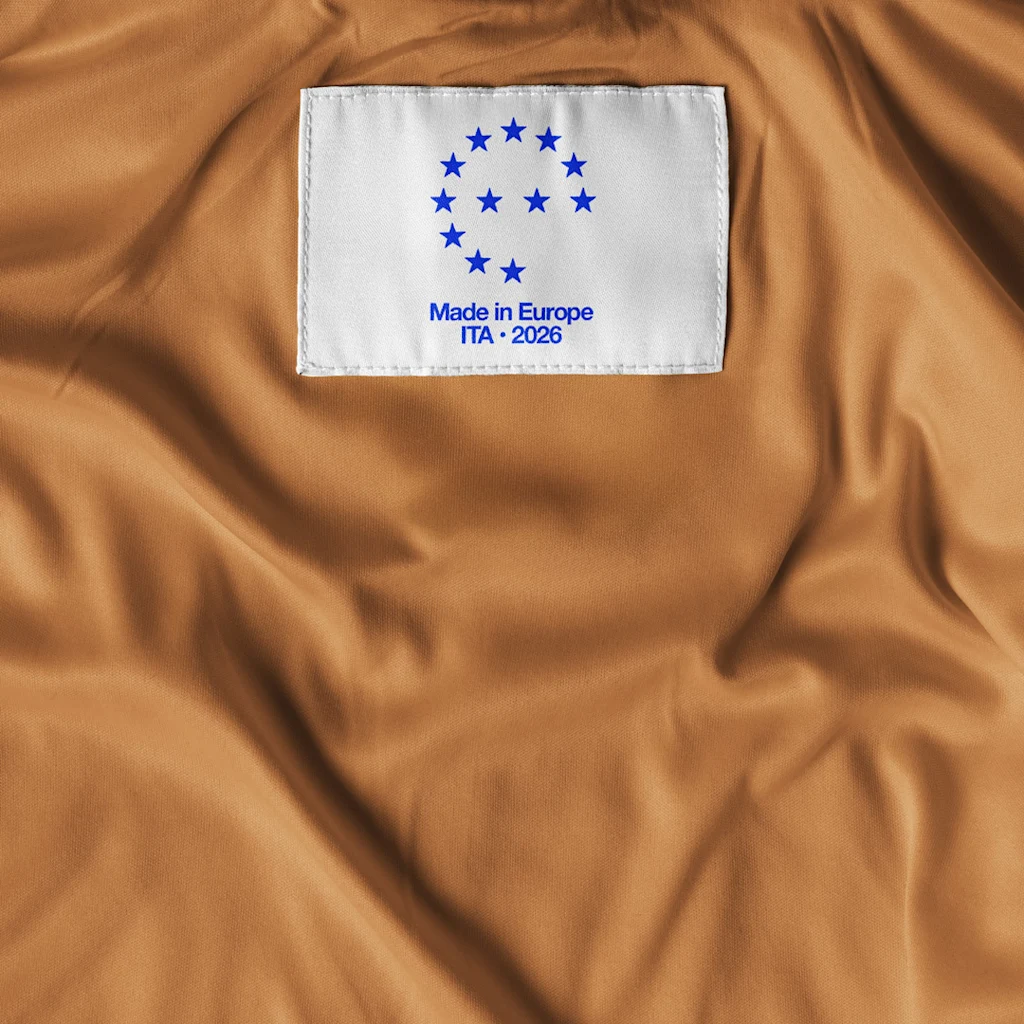
Shaughnessy’s team worked hard to “debrandify” the design so it reads less like a corporate logo and more like a stamp of approval. They cycled through dozens of proposals—from a wordmark spelling out “EUR” to the words “Made in Europe” set into a circle—before landing on twelve stars arranged in the shape of a lowercase “e”.
By referencing the quintessential European symbol found on the EU flag, the design creates a clear association with the European institution. It conveys clout while remaining instantly recognizable. “It was important for us to be able to sit within that hall of great European design in some small way,” says Shaughnessy.
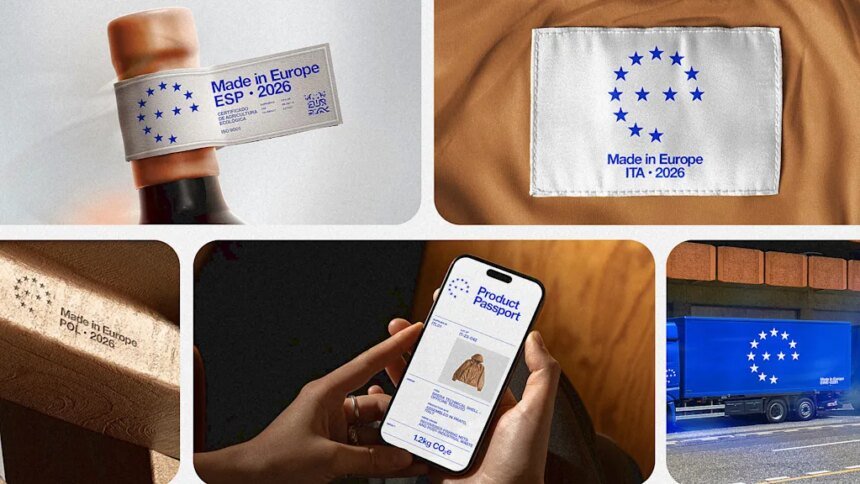
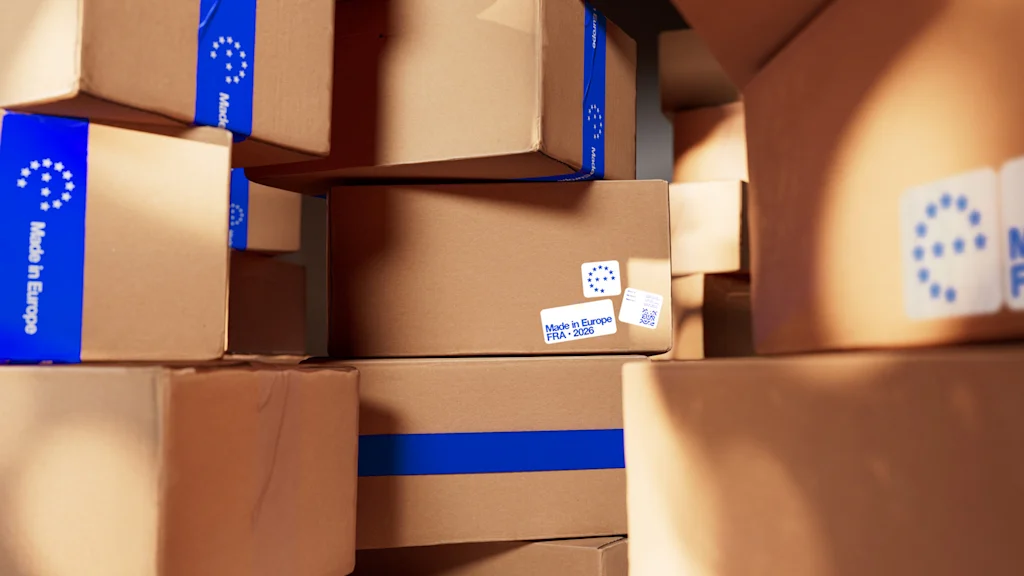
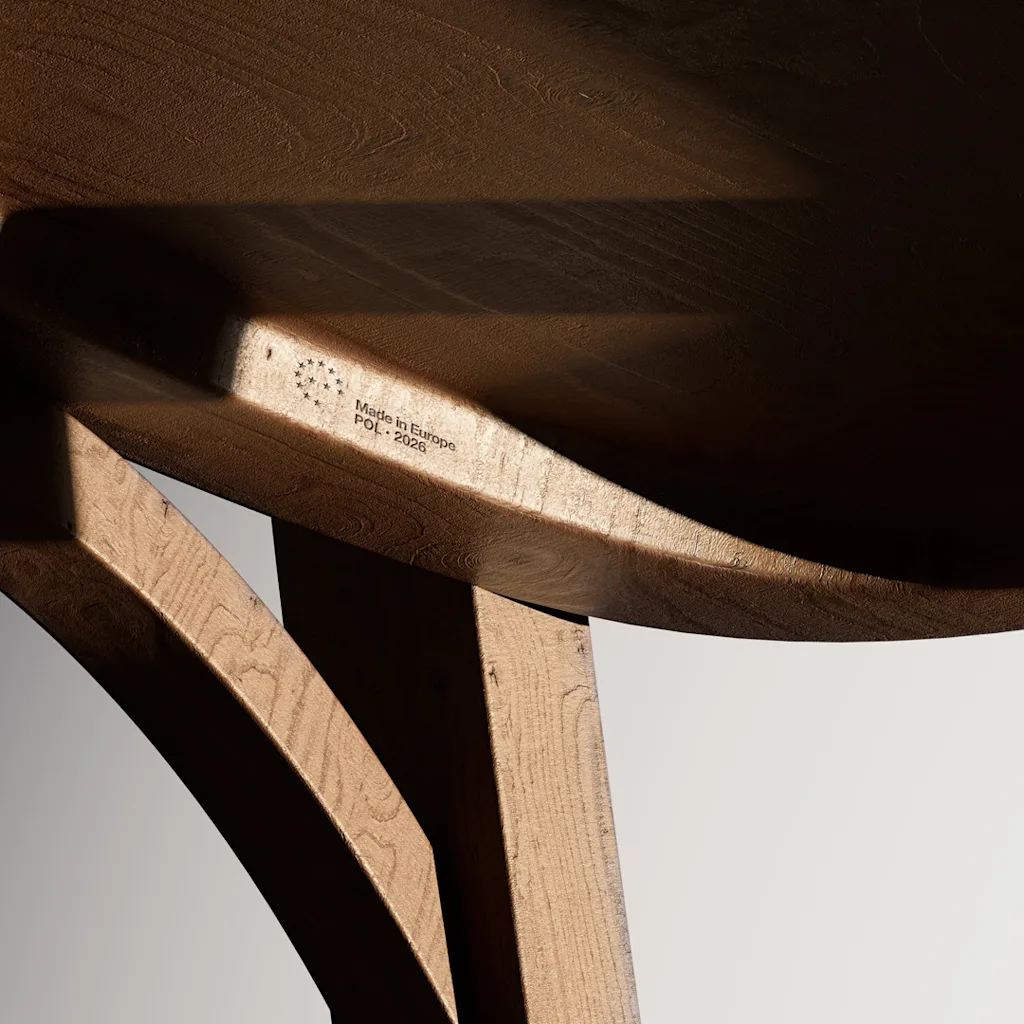
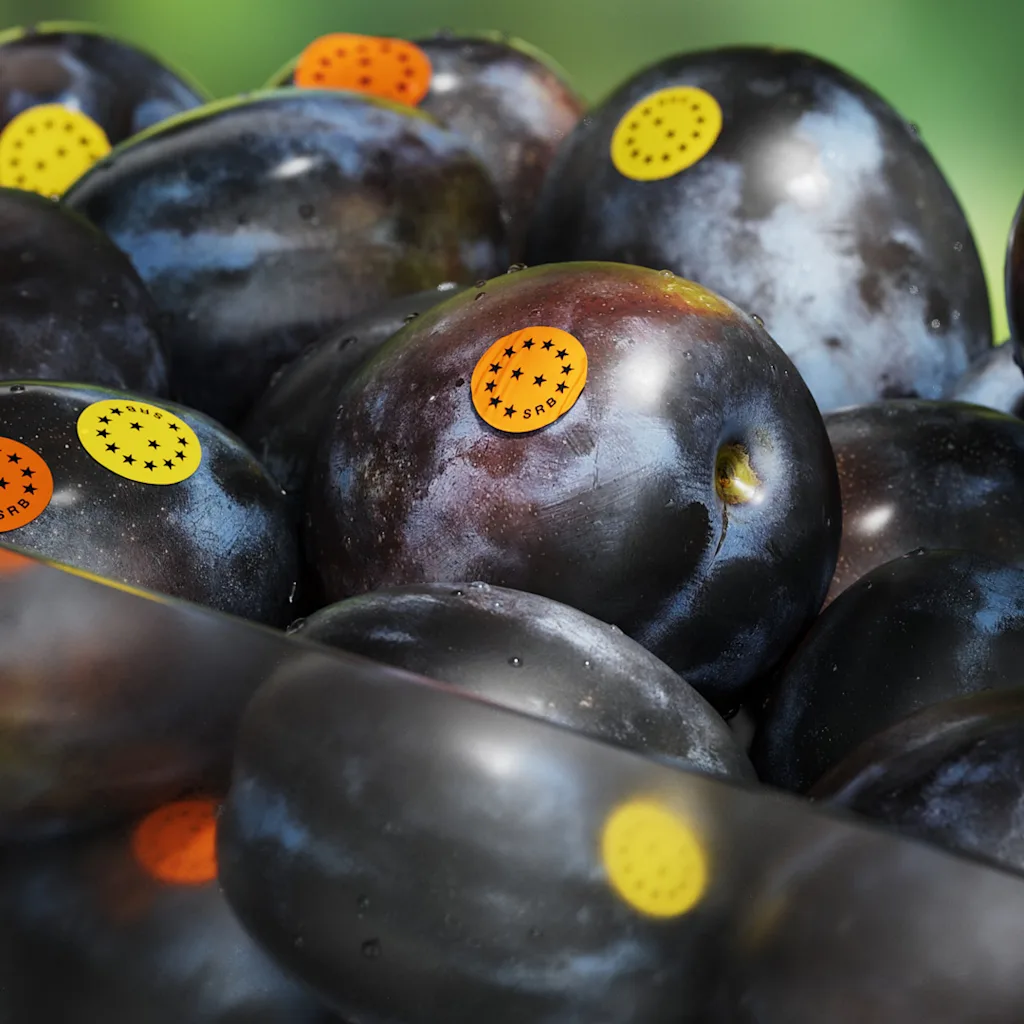
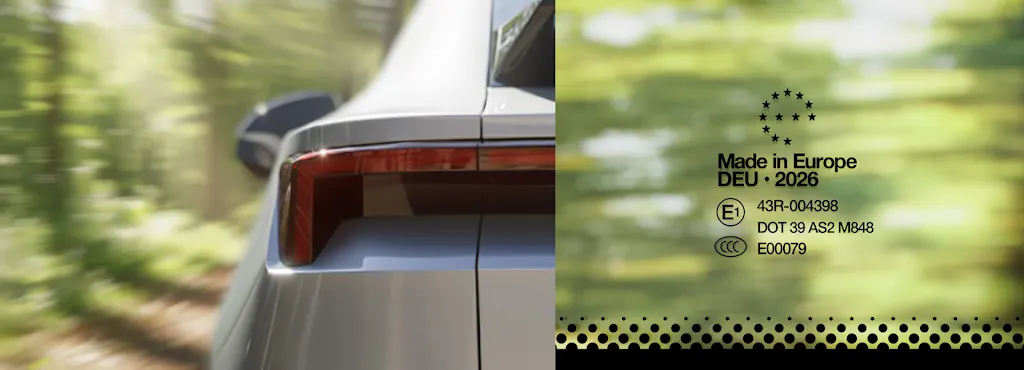
Like all initiatives developed by 21st Century, the label is intended as a blueprint that sparks conversation. The team has built a “living ecosystem” of use cases that show how the label could integrate into daily life—from a simple logo on a fruit sticker to an embossed mark on the side of a leather chair.
The label was designed to pair with Digital Product Passports—a QR code the EU will require by 2027 for categories like batteries, textiles, electronics, and furniture. Eventually, it could subsume existing certifications like CE, acting as an umbrella label that is relatable and easy for consumers to understand. Instead of decoding what B-Corp or CE means, you would see ‘Made in Europe’ and immediately associate it with European values like sustainability, ethical production, and consumer protection.
Building on a momentum
This isn’t the first time the idea of a European “made in” label has surfaced. Back in 2014, the European Parliament backed a proposal for source-country labeling, including a voluntary “Made in the EU” tag. But the proposal stalled due to political resistance and fragmented enforcement.
Now, Fabrin and Shaughnessy argue, the conditions are different. For one, Europe’s leverage on the geopolitical stage is rising: Russia’s war on Ukraine has renewed interest from candidate countries like Georgia, Moldova, and Ukraine; Brexit has made the EU passport all the more desirable; and growing disillusionment with the American brand has made some companies turn to the EU for answers. Fabrin says she is hearing it firsthand as some IT consultants ask for CRMs based in Europe because of GDPR regulations. “This kind of momentum usually motivates the European Commission to act quite quickly,” she says.
The biggest hurdle may be adoption: smaller businesses will need incentives to retrofit supply chains for this label. But 21st Europe’s vision is not to wait for law—it’s to catalyze a movement. Countries like Canada and Denmark have already started to take action with their own versions of “made in” labels. If large corporations like, say, Lego, were to adopt the mark voluntarily, it could inspire smaller companies to think about the label as a positioning exercise. “[We’re] thinking about the European brand as a long-term investment,” says Fabrin, “and a ’Made in Europe’ label is one contributor to building that brand.”
The final deadline for Fast Company’s World Changing Ideas Awards is Friday, December 12, at 11:59 p.m. PT. Apply today.

