




Experience can also make AI’s strategic analysis more incisive. AI will surface several plausible, interconnected challenges; choosing the one that, if solved, will truly unlock growth is ultimately a judgment call. And partly a creative one.
At large companies, CMOs go deep on big markets, flagship brands, and important launches. But because their time is limited, other projects get lighter scrutiny. If a senior leader is able to codify their own frequent review questions—the ones that come from their beliefs, past scars, and recurring frustrations—AI can apply that logic across the portfolio, giving every strategy the executive review treatment.
Finally, when managing a brand, there comes a critical choice: striking the right balance between functional and emotional benefits, communicating about the product or the occasion, funding the core or the extensions. Having lived through the consequences of bad trade-offs, experienced leaders have developed an intuition for when a plan has become imbalanced.
How to work with AI
The method is simple. First, use AI to draft the plan. Then push it. Force it to reveal how it made choices, and what it considers the most pressing strategic challenge. Corner it until it tells you how it chose consumer targets, growth drivers, made pricing assumptions, or selected which competitor to beat.
Then, have your own personal set of questions ready—the recurring planning mistakes you have seen, your business philosophy, and the few things you personally believe matter most. Then task the model with improving the plan.
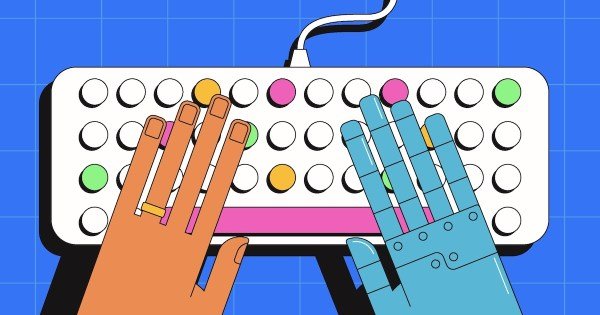
The strongest plans will be built by hybrid CMOs, where AI supplies reach and analytical power, and human experience supplies the judgment, trade-off discipline, and scar tissue that great strategy requires.

