





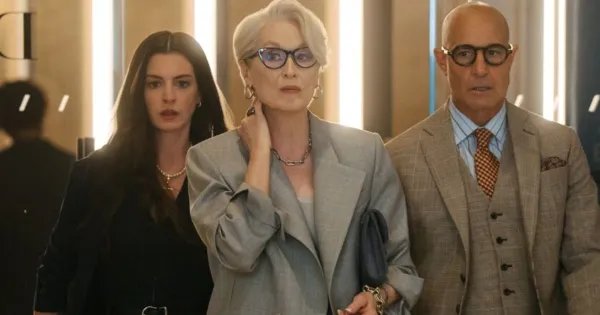

TRESemmé’s “signature” partnership—which feels more like Verizon’s deep relationship with the NFL than Dunkin’ making a limited edition Wicked-themed drink—is really a long-term growth strategy. It goes well beyond a themed bottle.
For a drugstore brand competing against Suave, Pantene, Garnier, and others for the same wallet, it signals that Miranda Priestly, the ultimate arbiter of taste, would reach for your product. No paid media buys that.
Devil Wears Prada fans are a crucial demographic
TRESemmé is also hitting this audience at a crucial time. The fans that made the original a phenomenon are now in their 40s and 50s, with real money and long memories.
Nearly 45% of women have already changed their spending behavior by avoiding brands or spending less because advertising didn’t feel made for them, Zappi research found. That disconnect hits hardest in their 30s and 40s, right when purchasing power peaks and brand loyalties calcify.
Once lost, brands rarely win those women back.
TRESemmé likely knows this. And its play to be the “signature hair brand” of The Devil Wears Prada 2, unlike a classic product placement gimmick, is meant to help consumers feel that they’re part of the film’s world, not just watching it through a screen.
Consumer attention has become exponentially harder to grab, and consumer packaged goods manufacturers need to elevate themselves beyond tried-and-true marketing tactics, because they are saturated with competitors and a constant stream of challenger brands.
The sponsorship playbook that TRESemmé is tapping was actually built by sports, and largely targeted men. Hollywood studios have also chased this model for properties whose fanbases typically skew male. The 2023 release of Barbie seems to have tipped the scales.
And now, Devil Wears Prada 2 is fully embracing it, and TRESemmé has fully bought in with an integration designed to help audiences extend the cinematic moment and carry it out of the theater, and—quite literally for the shampoo brand—into their lives.

