




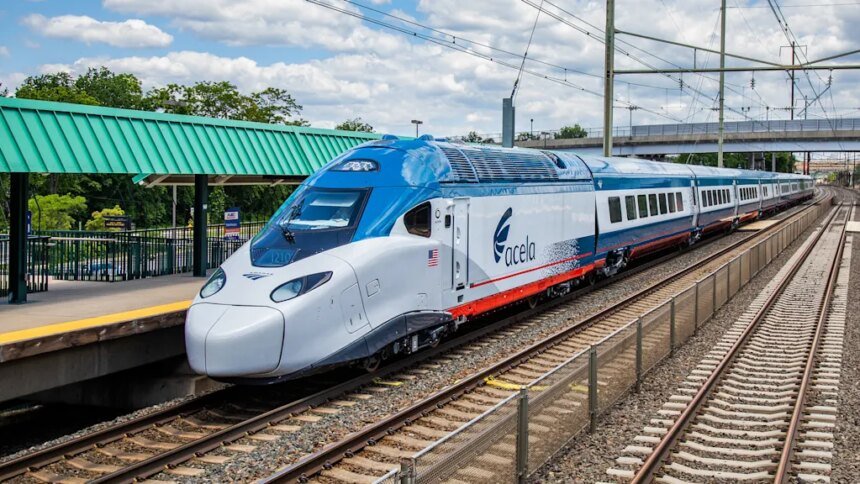

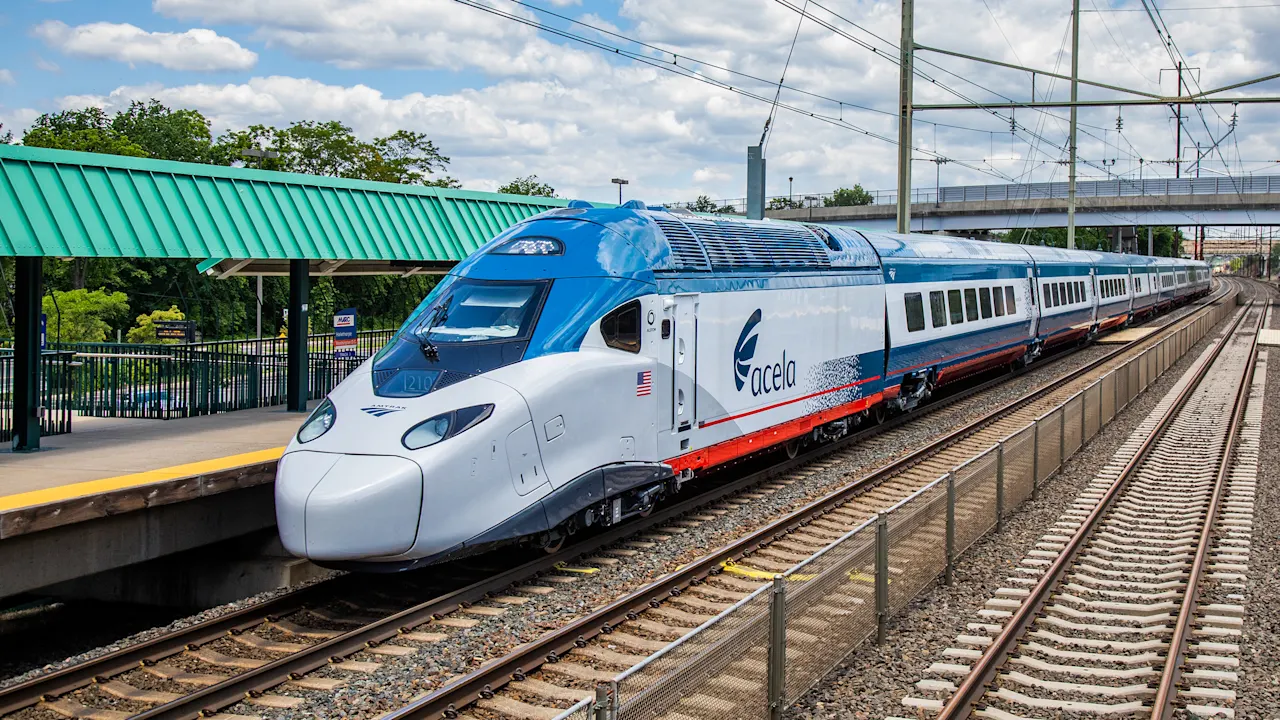
Stephen Mattingly, a civil engineering professor at the University of Texas at Arlington, explains why high-speed rail projects in much of the country so often go off track.
Dr. Stephen Mattingly discusses the problems that come with implementing high-speed rail in the U.S.
The Conversation has collaborated with SciLine to bring you highlights from the discussion, edited for brevity and clarity.
How is high-speed rail different from conventional trains?
Stephen Mattingly: With conventional rail, we’re usually looking at speeds of less than 80 mph (129 kph). Higher-speed rail is somewhere between 90, maybe up to 125 mph (144 to 201 kph). And high-speed rail is 150 mph (241 kph) or faster. There’s also a difference in the infrastructure for these different rail lines.
Is there anything in the U.S. that’s considered high-speed rail?

